



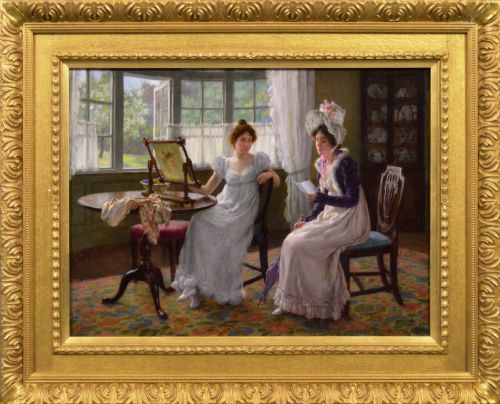
Regency Dress Portrait
A regency dress portrait captures the distinct attire and elegance of the early nineteenth century through delicate miniatures, oils, and watercolours.
Regency Dress Portrait
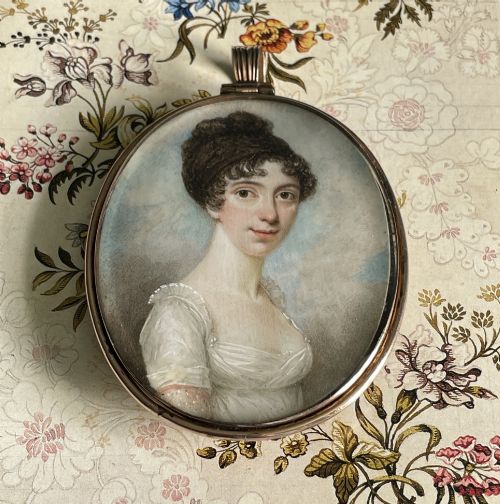
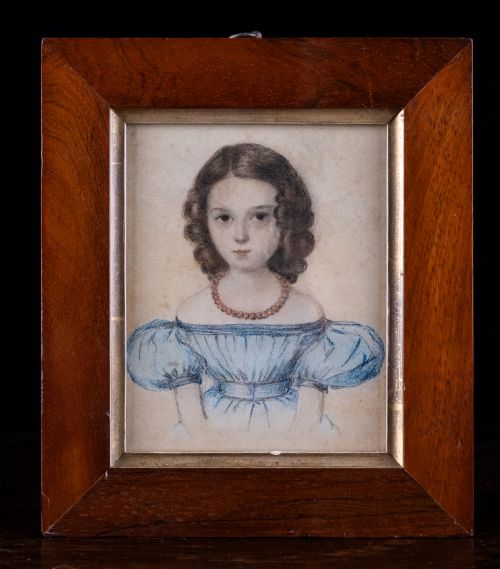
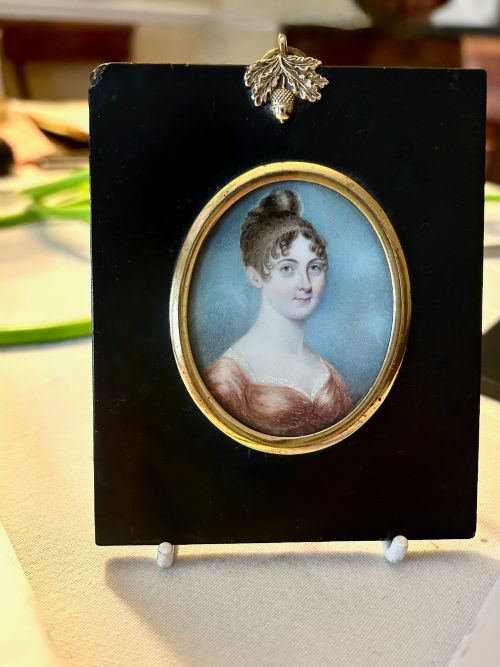
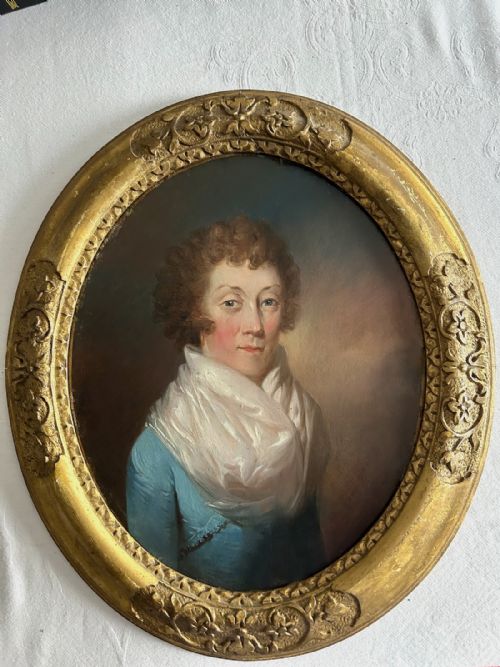
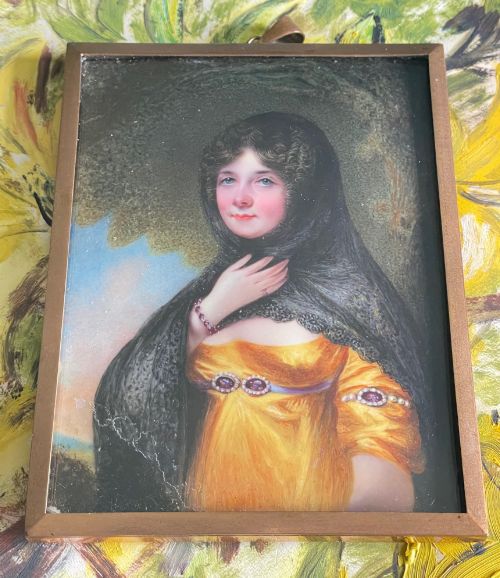
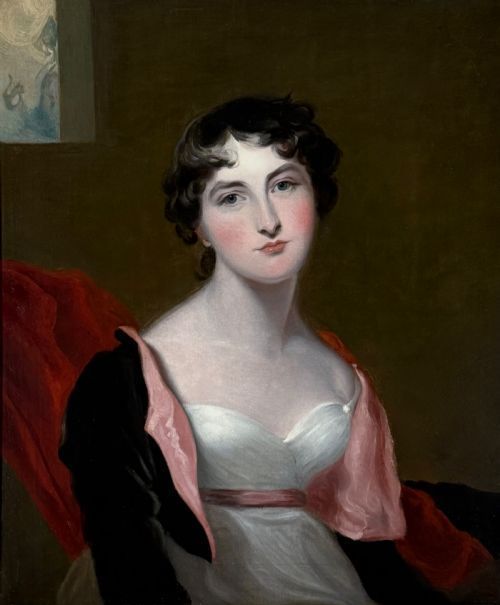
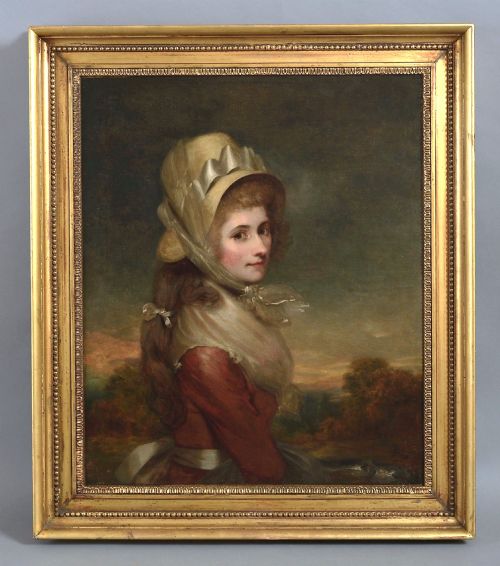
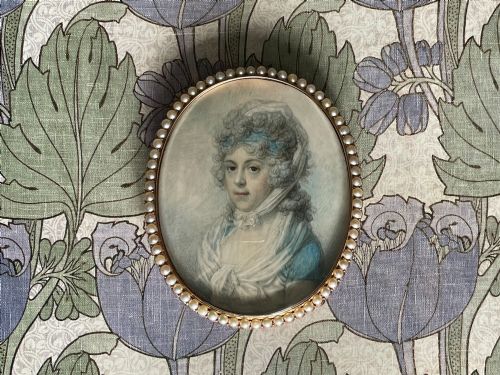
A regency dress portrait focuses on the specific fashion of the early nineteenth century, showcasing subjects in high-waisted gowns, bonnets, and tailored garments. Buyers examining this page encounter works ranging from intimate watercolour and pencil sketches to substantial oil paintings on canvas.
The selection includes miniature paintings on porcelain or glass alongside framed oils depicting notable women, young girls, and family groups. These pieces date principally from the Georgian and Regency periods, stretching into the nineteenth century.
Subjects appear in domestic interiors or landscapes, often adorned with silk dresses, coral necklaces, beads, and hats that define the aesthetic of the era.
Materials and methods
Miniatures incorporated specialised supports such as porcelain plaques, glass, and enamel, requiring precise brushwork for small-scale likenesses. Giltwood and gilt wood frames provided the final structural and decorative enclosure for these paintings.
Regency Dress Portrait Retail Price Guide 2026
Typical asking prices for regency dress portrait among the pieces listed under this phrase on Sellingantiques today, from the lower quarter to the upper quarter. They describe what is for sale here now, not the wider market.
Listings feature works spanning the Georgian, Regency, and Victorian periods, executed in oil on canvas, watercolour, and enamel.
Distinctions in craftsmanship
The preservation of the original medium, whether oil on canvas or delicate watercolour on paper, influences the integrity of the piece. Elaborate framing in period giltwood adds to the historical weight of the physical object.
Sir Martin Archer Shee·Horace Hone·Richard Cosway·Charles Haigh Wood·Nicolas Freese·William Egley·John Raphael Smith·Henry Jacob Burch·William Owen RA·George Perfect Harding·Henry Scott·George Clint·George Henry Harlow
The Regency Dress Portrait Glossary
- Portrait Miniature
- A small-scale painting executed on materials like ivory, paper, or porcelain. These intimate works were often designed to be carried or worn.
- Regency
- A stylistic and historical period spanning the early nineteenth century, characterised by classical revival architecture, furniture, and light, flowing dress.
- Giltwood
- Wood carved and coated with gold leaf or a gold-coloured finish. This material frequently frames nineteenth-century paintings.
- Enamel
- A glassy substance fused to a metal or ceramic surface through firing. Enamel portraits retained their vivid colour without fading over time.
Regency Dress Portrait: Frequently Asked Questions
What periods do these portraits cover?
The works span the Georgian and Regency eras, extending through the nineteenth century into the Victorian period. Most pieces date from roughly 1800 to the mid-nineteenth century.
Artists working across these decades documented changing fashions, from high-waisted white dresses to elaborate bonnets and silk garments.
What materials were used?
Painters utilised oil on canvas, watercolour and pencil on paper, and pastel and gouache. Some works appear as porcelain plaques or silhouettes painted directly on glass.
Frames typically consist of period giltwood which complements the aesthetic of the painted subjects.
How can I identify a Regency sitter's clothing?
Sitters from the Regency period typically wear high-waisted muslin dresses, often accompanied by wide sashes, lace caps, or straw bonnets. Accessories like coral beads and silk ribbons frequently appear.
Later nineteenth-century works begin to show lower waistlines and heavier fabrics reflecting changing Victorian styles.