


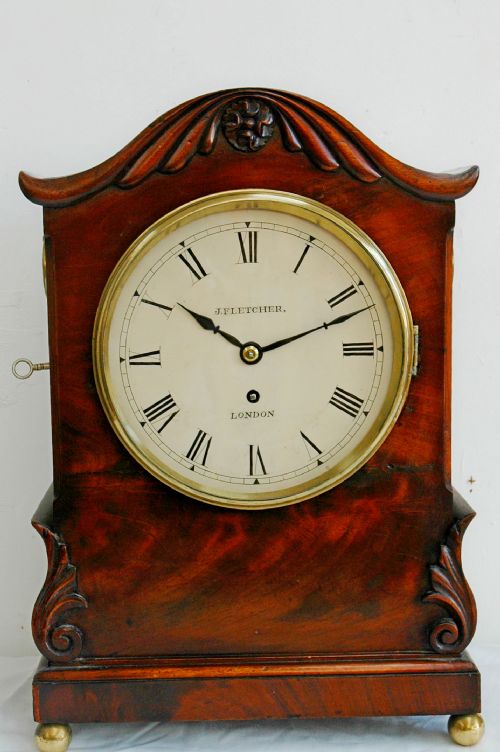


Regency Desk Shelf
A regency desk shelf provides a handsome tier for books and writing gear, bringing period polish to any study.
Regency Desk Shelf
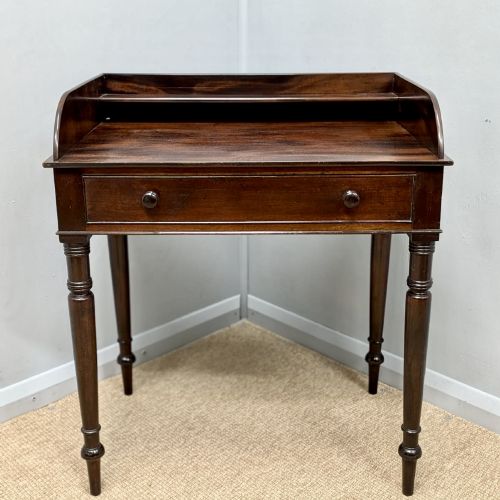
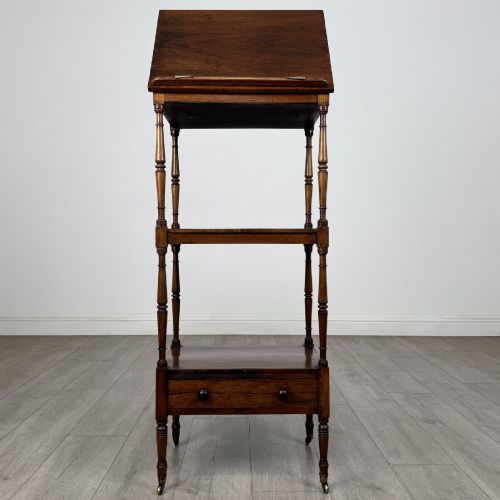
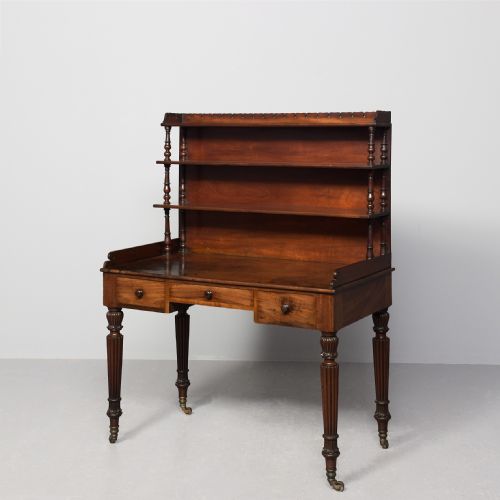
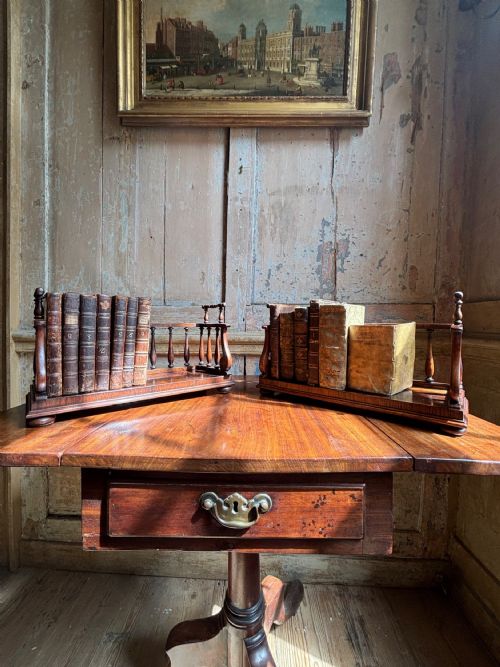
When you search for a regency desk shelf, you encounter compact table pieces, tiered stands, and chiffoniers featuring integrated shelving.
The pieces appearing on this page stem primarily from the Regency and Georgian eras, alongside later nineteenth-century interpretations.
Many examples incorporate upper display tiers or reading stands designed to sit atop a larger surface or function independently.
Assessing quality and craftsmanship
Superior execution shows in the crispness of brass inlay and the subtle selection of timber veneers rather than surface embellishment alone.
The integration of functional components, from writing drawers to tiered shelving, separates standard production from exceptional cabinet work.
Regency Desk Shelf Retail Price Guide 2026
Typical asking prices for regency desk shelf among the pieces listed under this phrase on Sellingantiques today, from the lower quarter to the upper quarter. They describe what is for sale here now, not the wider market.
Listings span the Regency, Georgian, and Victorian periods, constructed from mahogany, rosewood, and pollard oak with brass details.
James Mein of Kelso·J Kingerley Manchester·Pennington of Camberwell London·William Hardy London·Bently and Beck London·John McLean
The Regency Desk Shelf Glossary
- Chiffonier
- A compact sideboard featuring enclosed lower cupboards paired with an upper shelf tier.
- Whatnot
- A freestanding set of open shelves used for displaying books or decorative items.
- Fusee
- A conical pulley mechanism in clockwork that equalises the driving force of the mainspring.
- Ormolu
- Gilt bronze ornamentation applied to furniture and clock cases during the period.
Regency Desk Shelf: Frequently Asked Questions
What is a regency desk shelf?
A regency desk shelf refers to tiered stands, chiffoniers with shelf backs, and reading stands originating from the early nineteenth century.
These pieces combine writing surfaces with elevated tiers designed to hold books and papers.
How were these pieces used?
They served primarily in studies and libraries for organising correspondence, ledgers, and reference volumes.
The upper shelves provided accessible storage for books while keeping the main writing surface clear.
How do I date a piece?
Dating relies on identifying characteristic timber choices, hardware styles, and construction methods associated with the Regency and Georgian periods.
Secondary woods and fixing types often help confirm whether an item dates to the early nineteenth century.
Are clocks included in these listings?
Several listings feature mantel and bracket clocks incorporating shelf-like architectural cases from the same era.
These timepieces often share the brass inlay and timber vocabulary of contemporary desk furniture.