



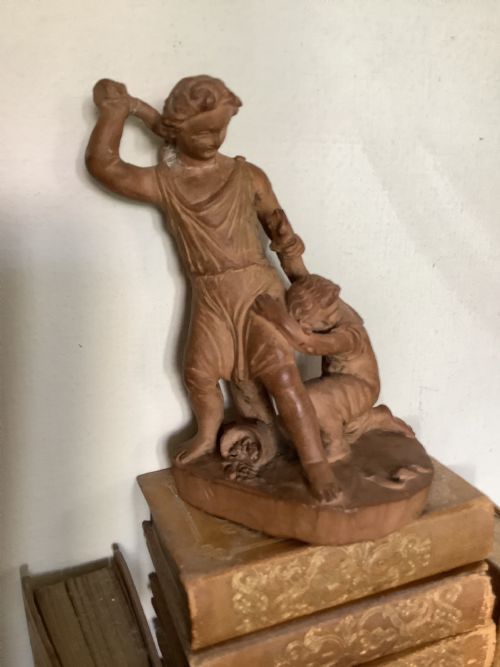


Regency Desk Ornaments
These regency desk ornaments bring classical bronze, marble, and patinated metal to the writing table, offering the refined weight of the nineteenth century.
Regency Desk Ornaments
When you search for regency desk ornaments, you encounter a selection of inkstands, desk accessories, and small sculptures designed for the writing table. The pieces on this page lean heavily towards nineteenth century examples, with Neoclassical themes and Grand Tour influences dominating the selection.
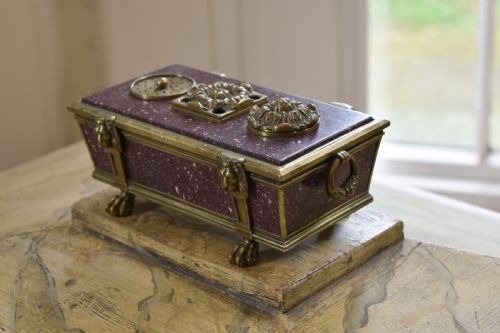
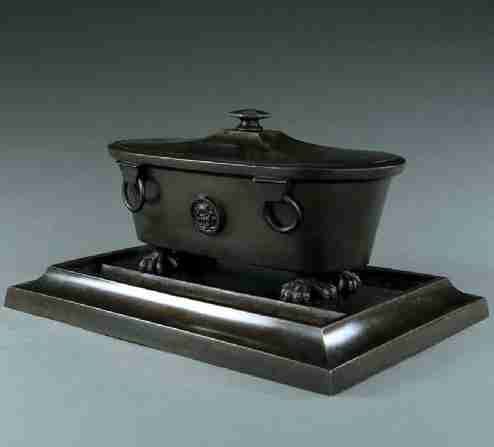
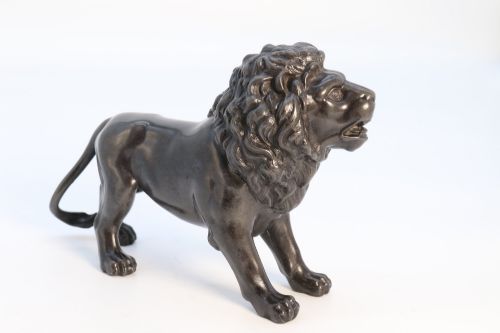
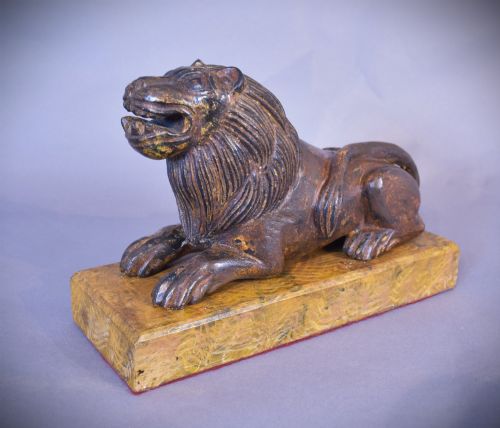
Most items you meet here take the form of bronze and gilt metal figures, inkwells, and marble-based sculptures. Lions, classical busts, and poodles appear frequently, reflecting the sculptural tastes of the period.
The materials span bronze, patinated metal, marble, and wood, often incorporating inlaid brass or ormolu mounts. These objects served both a practical purpose for correspondence and a decorative function in the study or library.
Materials and construction
Stonework and timber provide contrasting bases and bodies, with veined marble plinths supporting bronze figures and rosewood carcasses housing inlaid brass details. These varied elements are joined with traditional fixings appropriate to the early nineteenth century.
Regency Desk Ornaments Retail Price Guide 2026
Typical asking prices for regency desk ornaments among the pieces listed under this phrase on Sellingantiques today, from the lower quarter to the upper quarter. They describe what is for sale here now, not the wider market.
A curious nineteenth-century model of a muzzle-loaded field gun sits ready to defend your stationery from stray paperclips.
Judging quality and execution
The distinction between standard and superior pieces rests on the crispness of the casting and the quality of the chasing. Finer bronze and ormolu models show sharp definition in musculature and ornament, whereas lesser examples lose detail in the finishing stages.
The choice of materials also dictates the standing of a piece, particularly where finely veined marble bases or dense hardwoods like rosewood support the metalwork. Integration between the decorative elements and the functional parts, such as inkwell housings, determines the overall cohesion of the object.
Vulliamy·Spode·Gianni Versace·Joseph Gott
The Regency Desk Ornaments Glossary
- Ormolu
- Gilt bronze, where finely ground gold is applied to a bronze base using a mercury amalgam. This technique creates a rich, durable golden surface seen on high-end desk accessories.
- Patinated metal
- Metal treated with chemicals to produce a controlled surface colour or dark finish. It gives bronze and other alloys an aged, mellow appearance.
- Inkstand
- A fitted tray or stand holding inkwells, sanders, and pen holders for a desk. These pieces form a central part of nineteenth-century writing equipment.
- Neoclassical
- A style drawing inspiration from the classical art and culture of ancient Greece and Rome. It influences the classical figures and architectural motifs found on these desk items.
- Grand Tour
- A traditional trip of Europe undertaken by upper-class young men in the eighteenth and nineteenth centuries to study art and antiquities. Souvenirs from these journeys often included small bronzes and classical figures.
Regency Desk Ornaments: Frequently Asked Questions
What are regency desk ornaments used for?
These pieces served as functional writing equipment and decorative objects for desks and libraries in the nineteenth century. They held ink, sand, and pens, or simply provided a classical focal point in a study.
Today, they function primarily as decorative antiques that bring period character to modern interiors, whether placed on a working desk or displayed on a bookshelf.
How do I identify a nineteenth-century bronze?
Nineteenth-century bronzes typically show deep, rich patination and careful hand-chasing after casting. The weight, the quality of the underlying metal, and the method of assembly offer clear clues to their period of origin.
Examining the base and fixings helps distinguish genuine early nineteenth-century work from later reproductions. Older pieces often use hand-cut screws or traditional peg joints.
What materials are common in these desk accessories?
Bronze, gilt bronze, and brass form the structural core of many items on this page. Marble and rosewood frequently appear as bases or body materials, adding weight and textural contrast.
Patinated metal and pewter also feature in smaller animal studies and desk ornaments, reflecting the diverse manufacturing techniques of the era.
How do I care for antique bronze and marble?
Keep bronze and patinated metal surfaces dust-free with a soft, dry cloth. Avoid using harsh chemical cleaners or abrasive polishes that can strip the original patination.
Marble bases require gentle wiping with a damp cloth followed by immediate drying. Protect the stone from acidic liquids and direct moisture.