





Regency Decor Tables
Regency decor tables bring distinct character to a room through refined metalwork, glassware, and decorative objects from the early nineteenth century.
Regency Decor Tables
When buyers search for regency decor tables, they often encounter a diverse assortment of decorative objects, candlesticks, urns, and vessels associated with the Regency, Georgian, and William IV periods. These pieces reflect the sophisticated tastes of the early nineteenth century, incorporating classical forms and ornamental finishes.
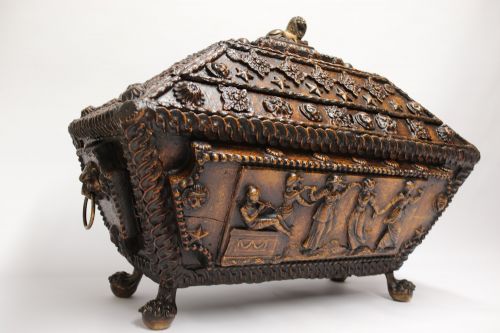
The selection on this page ranges from early nineteenth-century gesso caskets and amber glass finger bowls to patinated bronze candlesticks and porcelain animal figures. Each item serves as an accent piece, bringing period authenticity and traditional craftsmanship into modern interiors.
Materials and construction
Items from this era utilise a combination of metals, glass, and ceramics, including patinated bronze, gilt bronze, Old Sheffield plate, and lead crystal. Artisans employed traditional techniques such as moulding glass, casting metal, and applying gesso decoration to wooden cores.
Specialised finishes define many of these pieces, from the rich patination on bronze candlesticks to the delicate hand-painted Chinoiserie decoration on ironstone vases and the rich amber tones found in early glassware.
Regency Decor Tables Retail Price Guide 2026
Typical asking prices for regency decor tables among the pieces listed under this phrase on Sellingantiques today, from the lower quarter to the upper quarter. They describe what is for sale here now, not the wider market.
Assessing quality and finish
The refinement of the casting and the crispness of applied gesso or moulded detail separate standard items from superior examples. Better pieces retain their original gilding, patination, and structural integrity without heavy restoration obscuring the surface.
Completeness also dictates distinction, particularly in matched pairs of candlesticks, lustres, or urns where matching components and original glass drops demonstrate original manufacture rather than later assembly.
The Regency Decor Tables Glossary
- Gesso
- A plaster-like material applied to wood and moulded into decorative reliefs before being painted or gilded. This technique creates ornate surface ornamentation on caskets and frames.
- Toleware
- Painted or lacquered tinplate objects popular during the Georgian and Regency eras. These items often feature dark grounds decorated with gilt or floral motifs.
- Old Sheffield Plate
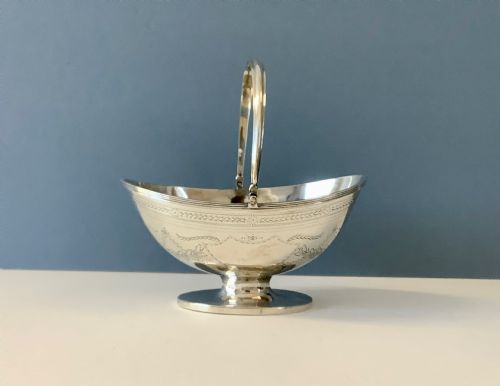
- A composite material made by fusing a thin layer of silver to a copper core. This method produced tableware and candlesticks with the appearance of solid silver.
- Lustre
- A type of glass or ceramic vessel hung with cut glass pendants that sparkle when lit. Pairs of these items frequently decorated nineteenth-century mantelpieces.
- Chinoiserie
- European artistic interpretation of Chinese and East Asian decorative styles. It appears on ceramics and furnishings through scenic motifs and stylized figures.
Regency Decor Tables: Frequently Asked Questions
What periods do these pieces date from?
The items span the late eighteenth and nineteenth centuries, encompassing the Georgian, Regency, and William IV eras. Most pieces date from around 1800 to 1820.
Certain items reflect revival styles or later nineteenth-century manufacturing dates while retaining the classical aesthetic of the Regency period.
How were glass lustres used?
Glass lustres served as decorative mantelpiece ornaments rather than functional lighting. The hanging glass pendants refracted candlelight to create a glittering effect.
They were displayed in pairs to balance interior decorative schemes in formal rooms.
How do I identify Old Sheffield Plate?
Old Sheffield Plate can often be identified by examining edges where the thin silver layer meets the underlying copper core. This early plating method differs substantially from later electroplating techniques.
Items made this way possess a warm lustre characteristic of late eighteenth and early nineteenth-century metalwork.
Where should I place these decorative objects?
These items suit placement on side tables, mantelpieces, and display cabinets where their materials can be appreciated. Pairs work well on either side of a mirror or centrepiece.
Careful placement away from direct sunlight protects vulnerable surfaces like gesso and early painted finishes.