



Regency Cut Glass Bottles
Regency cut glass bottles are heavy lead crystal decanters and cruets from the early nineteenth century that bring genuine brilliance to a dining table.
Regency Cut Glass Bottles
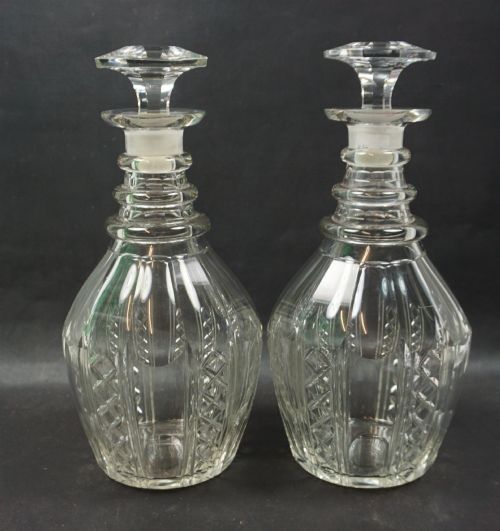
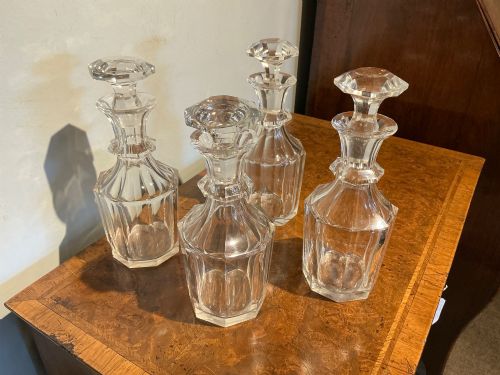
When you search for regency cut glass bottles, you encounter items designed for serving spirits, wine, and condiments during the Georgian and Regency eras. The selection on this page consists predominantly of decanters and cruet sets, spanning forms from single spirit bottles to multiple cruet frames.
The objects date from the early nineteenth century, specifically the Regency and Georgian periods. Cruet sets and decanters appear both as individual pieces and in matched pairs, sometimes accompanied by silver stands, gilt bronze mounts, or Old Sheffield plate frames.
How they were made
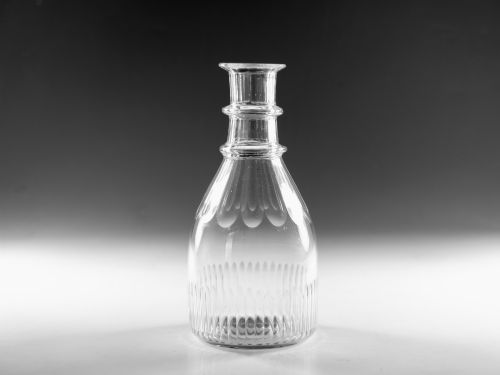
Makers shaped these pieces from heavy lead crystal and cut glass, utilising techniques of deep geometric facet cutting to catch the candlelight. The vessels frequently feature applied glass rings around the necks for secure handling during pouring.
Metal components such as sterling silver, Sheffield plate, silver plate, and gilt bronze provide structural mounts and stands for the multi-bottle cruet sets. Fitted wooden elements like mahogany occasionally support the frames and coasters.
Regency Cut Glass Bottles Retail Price Guide 2026
Typical asking prices for regency cut glass bottles among the pieces listed under this phrase on Sellingantiques today, from the lower quarter to the upper quarter. They describe what is for sale here now, not the wider market.
Neck rings ensure nobody drops the brandy.
What varies in quality
The distinction between ordinary and exceptional pieces lies in the crispness of the cutting and the weight of the metal crystal. Sharp, deep facets reflect light cleanly, whereas softer edges indicate hurried production.
Completions involving hallmarked sterling silver mounts or matched multi-bottle sets elevate the standing of a piece. The clarity of the crystal and the integrity of accompanying stands dictate the upper tier of the range.
Charles Thomas Fox
The Regency Cut Glass Bottles Glossary
- Cruet set
- A matched collection of small glass bottles or cruets held in a frame for condiments and sauces. These sets often sit on silver or plated stands.
- Lead crystal
- A heavy glass variety containing lead oxide that increases brilliance and refractive index. This material allows deep, sharp facet cutting.
- Decanter
- A stoppered glass vessel designed for holding and serving wine or spirits. Regency examples frequently incorporate neck rings to aid grip.
- Old Sheffield plate
- A composite material formed by fusing a thin sheet of silver to a copper base. This technique appeared on many nineteenth-century bottle stands and cruet frames.
- Gilt bronze
- A decorative metal finish created by applying gold powder to bronze mounts. It provides ornamentation on champagne coolers and bottle frames.
Regency Cut Glass Bottles: Frequently Asked Questions
How do I use a cruet set?
Cruet sets hold condiments such as oil, vinegar, and sauces for dining tables. The individual glass bottles sit securely within a fitted metal or wooden frame.
Today, these sets serve a decorative function on sideboards or hold oils and vinegars during formal dinners.
What are three ring decanters?
Three ring decanters feature three distinct glass ridges applied around the neck. These raised rings provided a secure grip for greasy or wet hands during Regency dinners.
This practical feature helps date pieces to the early nineteenth century when this specific neck design gained popularity.
How do I clean old decanters?
Old glass decanters require careful hand washing in warm water without harsh detergents. Sudden temperature changes can crack heavy nineteenth-century crystal.
Allowing them to air dry completely on a mat prevents moisture rings from forming inside the base.
How can I tell a Regency decanter?
Regency decanters display characteristic heavy lead crystal composition, deep geometric cutting, and specific neck ring formations. They date from the early decades of the nineteenth century.
Accompanied hardware like Old Sheffield plate stands or sterling silver mounts often bears hallmarks or manufacturing traits from that exact era.