



Regency Collector Box
A regency collector box is a compact repository for small treasures, prized for its exquisite cabinetwork and tactile intimacy.
Regency Collector Box
A regency collector box represents the pinnacle of miniature cabinetry and portable storage from the early nineteenth century. When buyers search for a regency collector box, they encounter sophisticated desktop cases, miniature chests of drawers, and specialised table cabinets designed to house precious items. These pieces bridge the gap between functional stationery storage and ornate display objects, reflecting the refined tastes of the Georgian and Regency eras.
The varieties on this page span several distinct forms, including multi-drawer miniature chests, penwork table cabinets, and document boxes. Most examples adopt the architectural proportions of full-sized furniture scaled down for the tabletop. Materials range from rich rosewood and mahogany to exotic amboyna, often enhanced with brass mounts or mother-of-pearl inlay.
Materials and construction methods
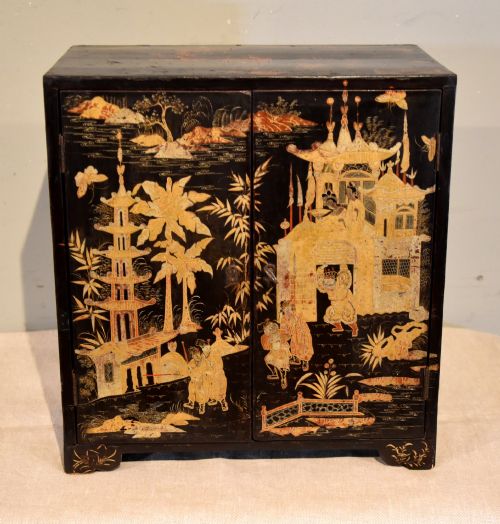
Cabinetmakers constructed these pieces using dense tropical hardwoods such as mahogany and rosewood, frequently selected for their dramatic grain patterns. Surfaces often received elaborate embellishments, including penwork detailing, gold leaf, and delicate lacquer work in Regency Chinoiserie styles. Burr oak and satinwood also appear as secondary or primary veneers, adding lighter contrasting tones to the exterior panels.
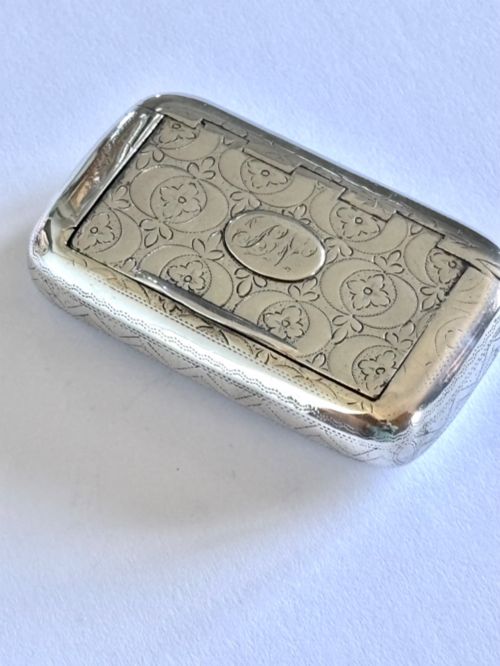
Metalwork played a crucial structural and decorative role, utilising brass for handles, escutcheons, and hinges. Luxury variants incorporated sterling silver and silver gilt, particularly in smaller receptacles like snuff boxes. Specialised organic materials such as turtle shell and papier-mâché provided alternative substrates for intricate hand-painted or mounted designs.
Regency Collector Box Retail Price Guide 2026
Typical asking prices for regency collector box among the pieces listed under this phrase on Sellingantiques today, from the lower quarter to the upper quarter. They describe what is for sale here now, not the wider market.
Some miniature drawers are so snugly fitted they act as miniature pistons, pushing air out as you slide them home.
Distinctions in craftsmanship
The upper tier of these objects demonstrates superior timber selection, where grain patterns align harmoniously across drawer fronts and lids. Finishes retain their original patination rather than bearing the marks of heavy modern intervention. Precision in joinery, such as tightly fitted dovetails on miniature drawers, separates master workshop production from standard output.
Complexity of decoration dictates further distinctions in grade. Pieces featuring intricate mother-of-pearl inlay, fine penwork, or specialised materials like amboyna demand advanced artisan skill. The integration of properly functioning internal compartments and original hardware preserves the integrity of the piece.
JOHN SHAW
The Regency Collector Box Glossary
- Penwork
- A decorative technique using fine ink drawing on a prepared wooden surface, often finished with a clear protective varnish. This method created intricate pictorial scenes without the need for carving.
- Snuff box
- A small, sealed receptacle designed to hold dry powdered tobacco. These items were carried in the pocket or kept on a desktop, made from materials ranging from papier-mâché to silver gilt.
- Bright-cut
- An engraving style utilising angled chisel cuts to produce faceted, reflective grooves in silver or gold. This technique catches the light to create a sparkling border design.
Regency Collector Box: Frequently Asked Questions
What were regency collector boxes used for?
These boxes served as secure, organised receptacles for keeping correspondence, documents, and delicate personal collections of small artefacts. Owners utilised them on tabletops or desks to store items away from dust and casual handling.
In addition to stationery, certain variants accommodated specialised items such as cigars, coins, or natural history specimens. Their portable nature allowed gentlemen and gentlewomen to transport their valued possessions between rooms or residences.
How do I identify a Regency period piece?
Regency pieces typically exhibit classical architectural restraint combined with exotic timber veneers like rosewood and mahogany. Look for specific hardware markers such as recessed brass ring handles and finely cut escutcheons.
Proportions during this era often leaned toward clean lines and decorative restraint compared to the heavier carving of earlier Georgian work. The presence of Chinoiserie motifs or satinwood stringing further points to the early nineteenth-century aesthetic.
Where should I place a collector box at home?
A desktop, side table, or low bookcase provides an ideal surface to display and interact with these compact pieces. Keeping the box at a comfortable viewing height allows you to appreciate the fine grain of the wood and the detail of the metalwork.
Position the object away from direct sunlight and heat sources to protect delicate veneers and organic materials from drying out. Placing it in a room with stable humidity ensures the wood remains stable over time.