



Regency Chinoiserie Lamp
These regency chinoiserie lamp selections bring together classic lacquer and striking gilt work to illuminate a room with historical depth.
Regency Chinoiserie Lamp
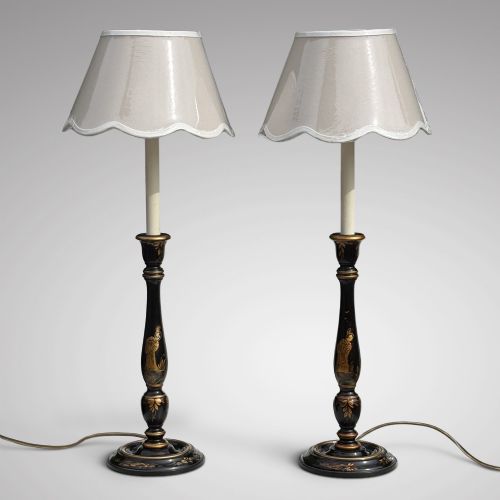
When you search for a regency chinoiserie lamp, you are looking at decorative lighting that combines classic Regency forms with orientalist motifs. The examples on this page span the nineteenth century, nineteen-ten, nineteen-twenty, and nineteen-thirty periods, showing both authentic antique craftsmanship and later interpretations.
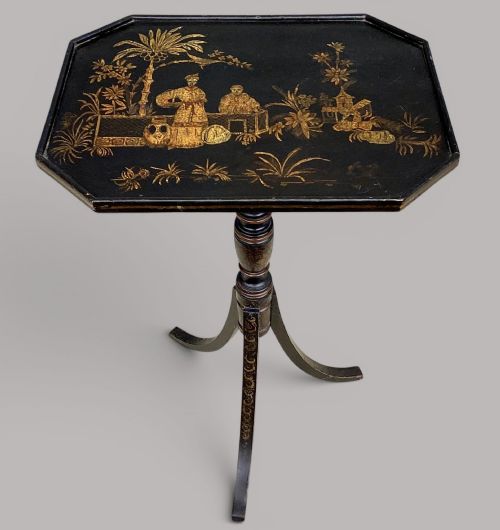
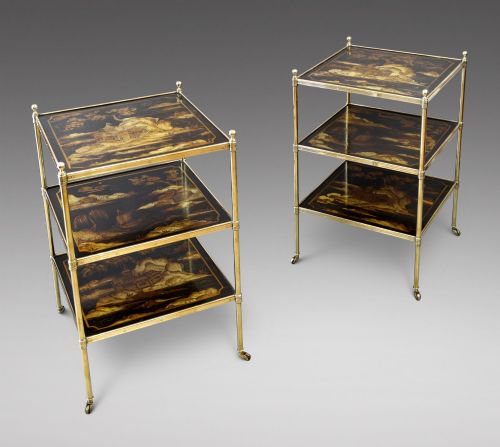
The objects take the form of table lamps, alongside related furniture pieces such as occasional tables, wine tables, side tables, and nest of tables that often share the same decorative vocabulary. Lacquer and toleware predominate, creating dark, reflective surfaces that catch the light.
Buyers will find individual lamps as well as matched pairs, finished in black, red, and gold paint. The aesthetic draws on both Regency and French neoclassical traditions, filtered through the European fascination with Chinese art.
Materials and construction
The physical build relies heavily on wood, lacquered wood, and metal toleware forming the body of each lamp. Artisans applied layers of dark lacquer, finishing the surfaces with hand-painted details in gold leaf and contrasting colours like red.
Many pieces incorporate brass fittings and accents to complement the dark surfaces. Fabric components appear primarily in the accompanying shades and wiring elements that adapt older vessels for modern electrical use.
Regency Chinoiserie Lamp Retail Price Guide 2026
Typical asking prices for regency chinoiserie lamp among the pieces listed under this phrase on Sellingantiques today, from the lower quarter to the upper quarter. They describe what is for sale here now, not the wider market.
Listings feature items from the nineteenth century, nineteen-ten, nineteen-twenty, and nineteen-thirty, alongside Regency period pieces.
Assessing quality and execution
Quality rests in the depth of the lacquer and the crispness of the gilt decoration. Finer examples display meticulous hand-painted oriental scenes with clear layers of black, gilt, and red pigment that have aged evenly.
The integrity of the underlying material, whether wood or toleware, dictates the weight and stability of the piece. Converted items show varying degrees of skill in how an original vessel or table structure houses the electrical components without losing its decorative balance.
Hicks and Meigh·Döbereiner
The Regency Chinoiserie Lamp Glossary
- Chinoiserie
- European artistic style reflecting Chinese motifs and techniques. It gained immense popularity during the Regency period and saw revivals in the twentieth century.
- Toleware
- Enamelled or lacquered metalware, often painted in black and gold. This material provided a durable base for decorative lighting.
- Gilt
- Gold leaf or gold paint applied to surfaces. It highlights the raised details and figures on lacquered pieces.
- Ebonised
- Wood finished to resemble ebony. This dark staining technique often frames the colourful chinoiserie decoration.
- Etagere
- A piece of furniture with open shelves for displaying objects. Some examples in this style serve alongside lamps to complete a room.
Regency Chinoiserie Lamp: Frequently Asked Questions
What is a regency chinoiserie lamp?
It is a decorative lighting fixture that blends the elegant proportions of the Regency era with hand-painted orientalist motifs. These pieces typically feature dark lacquered surfaces adorned with gold and red details.
They serve both as functional illumination and as striking sculptural objects within a traditional or eclectic interior.
How do I identify the period?
Dating relies on examining the materials, the wear of the lacquer, and the style of the hand-painted decoration. Nineteenth-century examples often show deeper crazing and heavier wooden bases.
Twentieth-century revivals from the nineteen-twenties and thirties adopt similar motifs but frequently utilise metal toleware or different finishing techniques.
Where should I place these lamps?
These lamps work well on side tables, occasional tables, or buffets where their reflective lacquer and gilt decoration can catch natural light. They anchor darker interior schemes and add historical contrast to neutral rooms.
Pair them with complementary furniture like wine tables or small nests of tables to create a cohesive display.
Are these lamps converted antiques?
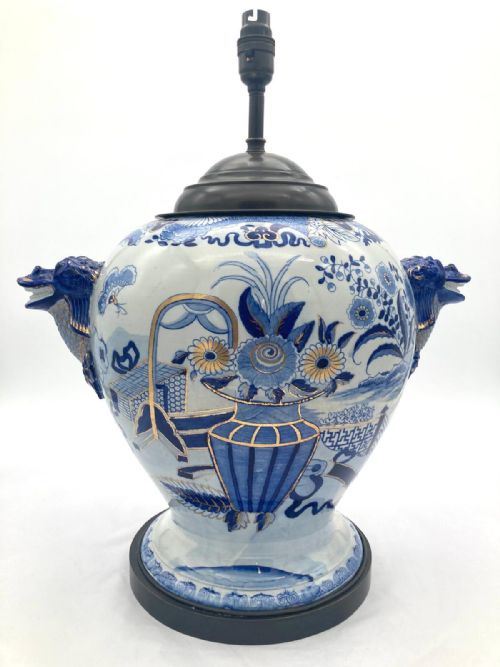
Many lighting pieces from this tradition began life as decorative vessels, urns, or tables before receiving electrical wiring. This conversion process allowed older craftsmanship to find a practical purpose in modern homes.
Collectors appreciate the ingenuity of adapting these objects while retaining their original decorative surfaces.