

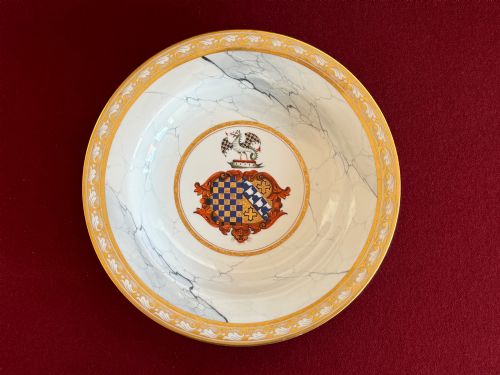
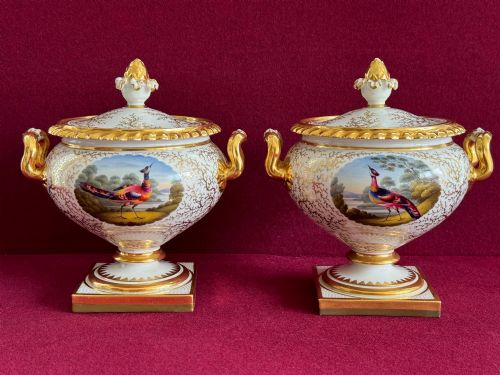
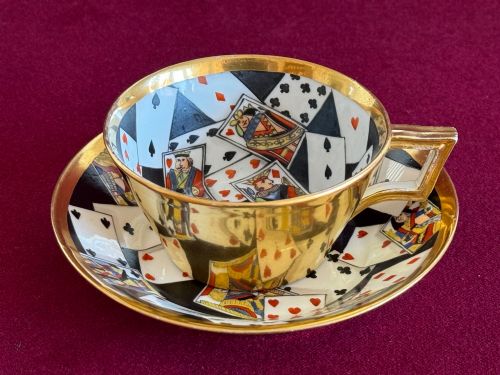
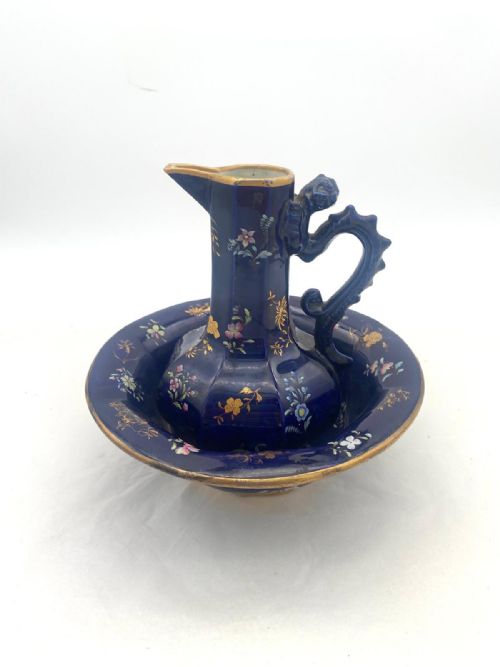



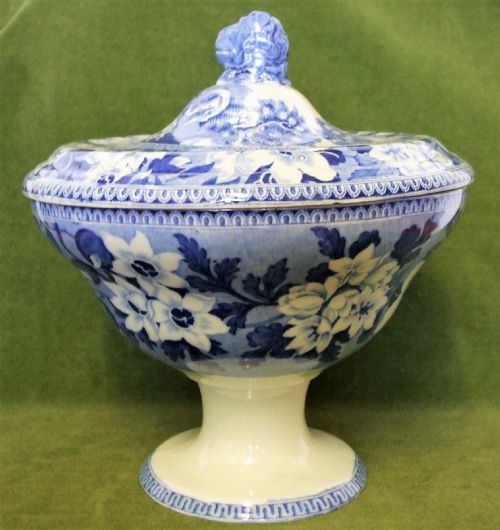
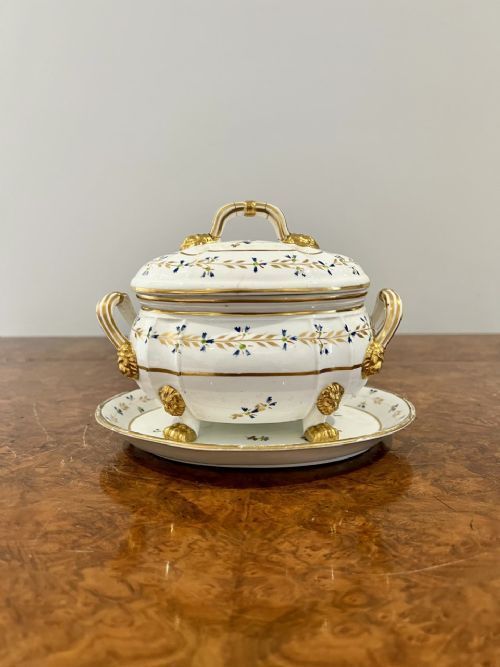


Regency Ceramic Bowl
These regency ceramic bowl pieces bring early nineteenth-century form and hand-painted detail to any interior through period earthenware, porcelain, and ironstone.
Regency Ceramic Bowl
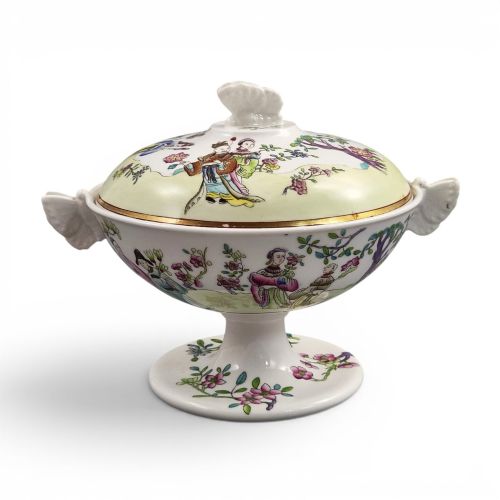
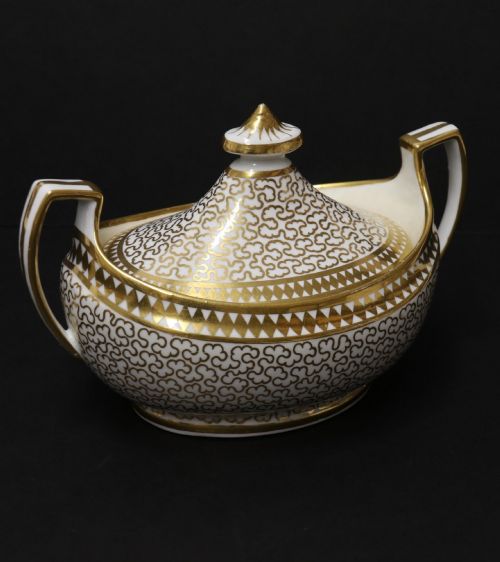
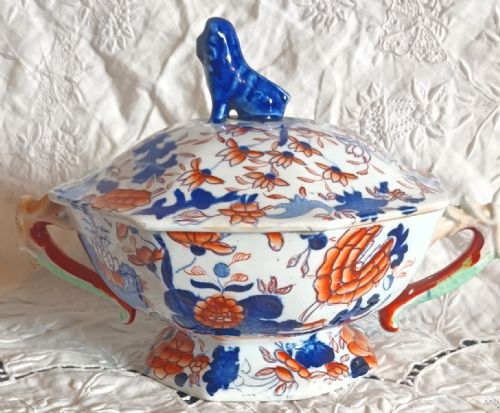
A regency ceramic bowl encompasses a variety of vessel forms originating from the nineteenth century, Georgian, and Regency eras. Buyers searching this phrase encounter diverse serving pieces, including footed bowls, sugar bowls, tureens, and decorative planters.
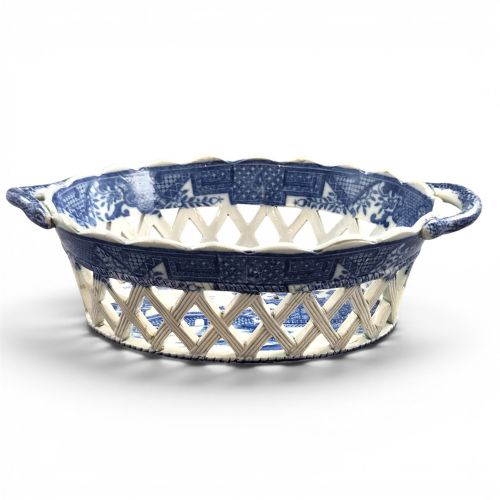
The selections span English factories and potteries, appearing in styles ranging from plain Regency earthenware to elaborate Regency Chinoiserie and Grand Regency transferware. Alongside dedicated bowls, the listings frequently include related tablewares such as tea bowls, sucriers, and baskets sharing the same period aesthetic.
Makers represented on this page span prominent English manufactories like Spode, Mason's, and various Worcester works. These vessels reflect the domestic dining and display practices of the early 1800s, utilised then for sugar, fruit, or general table service.
How they were made
Potters of the period utilised porcelain, ironstone, and refined earthenware as the primary bodies for these vessels. Ironstone provided a durable alternative to porcelain for heavy service pieces, while felspar porcelain allowed for finer, translucent walls.
Decoration relied heavily on hand-painting, enamel colours, and transfer printing in blue and white. Artisans applied gold leaf and gilt accents to highlight handles, rims, and moulded details, frequently employing chinoiserie patterns and botanical subjects.
Specialised glazing techniques, including pearl glaze and clear glossy finishes, protected the painted surfaces and added depth to the earthenware bodies. Handles and pedestals were often moulded separately and joined to the main bowl before firing.
Regency Ceramic Bowl Retail Price Guide 2026
Typical asking prices for regency ceramic bowl among the pieces listed under this phrase on Sellingantiques today, from the lower quarter to the upper quarter. They describe what is for sale here now, not the wider market.
Makers of the era applied whimsical pattern names like "Crazy Cow" and "Bengal Tiger" to decorate their ceramics with charming exotic animals.
What varies in quality
The crispness of the transfer printing and the precision of the hand-painted enamel work distinguish the finer examples from standard production. Superior pieces display carefully aligned patterns and well-defined polychrome details without blurring or smudging.
The quality of the ceramic body and the application of the glaze affect the overall weight, translucency, and durability of the vessel. Heavier ironstone pieces rely on robust moulding, whereas high-grade porcelain exhibits a thin, even wall structure with clean gilt highlights.
Barr, Flight & Barr·Duesbury & Kean·Flight, Barr & Barr·Spode·John Rogers & Son·Crown Derby·Chamberlains Worcester·Coalport·Minton·Sewell·Ridgway
The Regency Ceramic Bowl Glossary
- Sucrier
- A small covered vessel designed specifically to hold sugar during tea service. These often match tea bowls and saucers from the same period.
- Ironstone
- A patented heavy earthenware body known for its strength and resilience. It provided a durable alternative to porcelain for utilitarian and decorative wares.
- Transfer printing
- A mechanical method of applying complex decorative patterns to ceramic surfaces using an engraved copper plate and tissue paper. This technique allowed for consistent blue and white designs across multiple pieces.
- Felspar porcelain
- A type of porcelain body incorporating felspar into the mixture, developed by English manufacturers in the early nineteenth century. It produced a sturdy, bright white ceramic suitable for detailed painting.
- Tureen
- A large, deep serving vessel with a lid, utilised historically for soups, vegetables, or sauces at formal dinners.
Regency Ceramic Bowl: Frequently Asked Questions
What is a regency ceramic bowl used for?
These vessels served various functions in nineteenth-century dining, from holding sugar and fruit to containing soups or sauces at the table. Today, collectors utilise them as decorative centrepieces, planters, or display items within period interiors.
Their varied forms allow them to function as standalone decorative objects or as part of a broader collection of early nineteenth-century ceramics.
How do I identify a Regency period piece?
Identification relies on observing specific stylistic markers such as classical proportions, moulded handles, and characteristic motifs like chinoiserie patterns or botanical studies. Examining the base for factory marks or patterns can also help confirm the manufacturing era.
The materials, such as early ironstone or felspar porcelain, further point to the manufacturing techniques typical of the early decades of the nineteenth century.
Are these bowls suitable for daily use?
While these vessels were originally made for dining and domestic service, their age and hand-painted decoration suggest careful handling is necessary today. Most owners prefer to display them or use them gently for dry decorative purposes rather than everyday dining.
Hand-washing with mild soap protects the delicate enamels, gilt highlights, and historical glazes from modern dishwasher detergents.
What is the difference between ironstone and porcelain?
Ironstone is a dense, opaque earthenware designed for durability and heavy daily use, whereas porcelain is a finer, semi-translucent ceramic fired at higher temperatures. Porcelain typically allows for thinner walls and delicate decorative details.
Both materials were widely utilised by English factories during the Regency period, though they served different purposes in the dining room.