
Regency Caned Seat
A regency caned seat offers crisp classical lines and lightness, pairing woven cane with fine timbers for an enduring classical aesthetic.
Regency Caned Seat
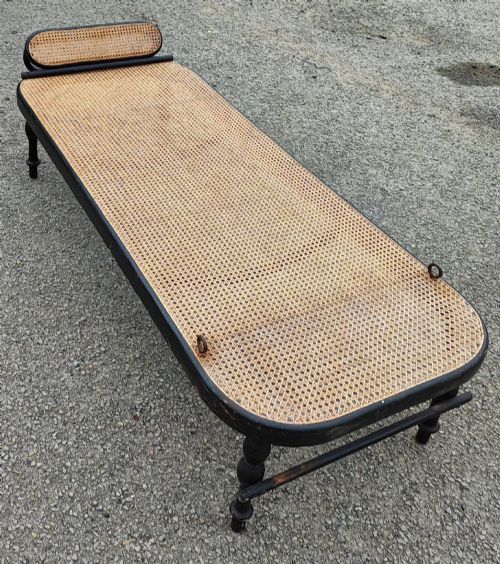
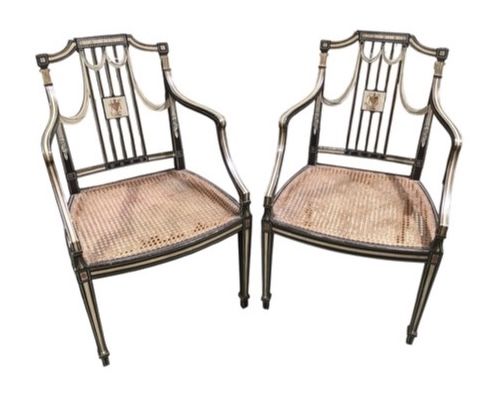
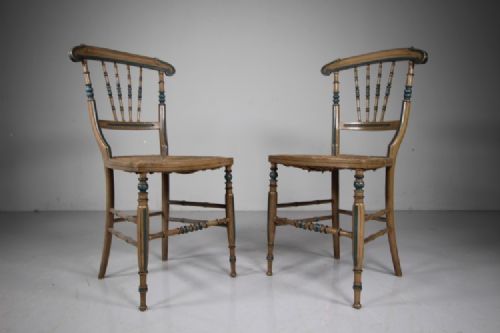
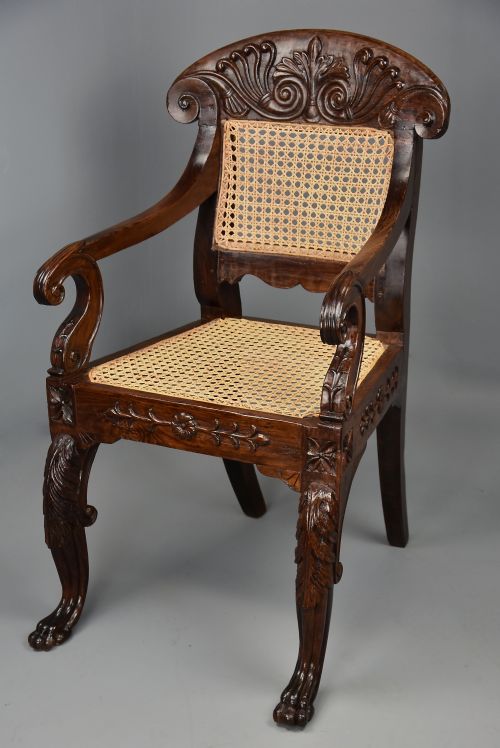
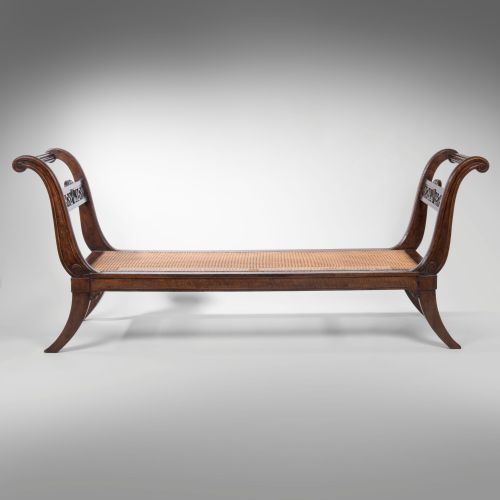
When you search for a regency caned seat, you encounter dining chairs, armchairs, daybeds, and window seats originating from the Regency period alongside later revival iterations.
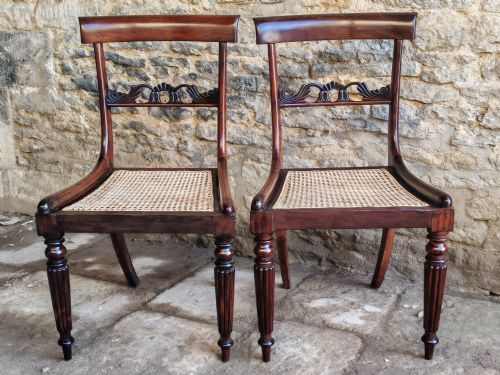
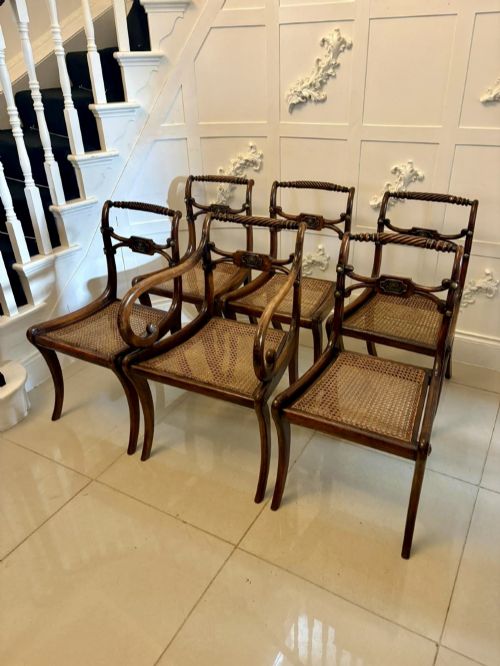
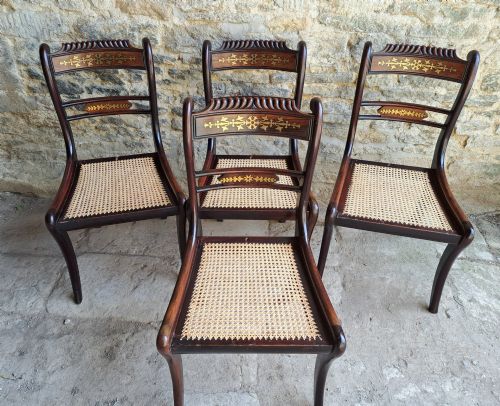
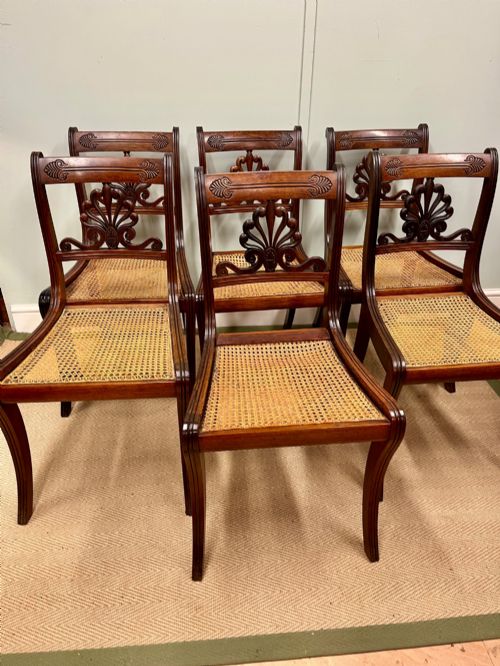
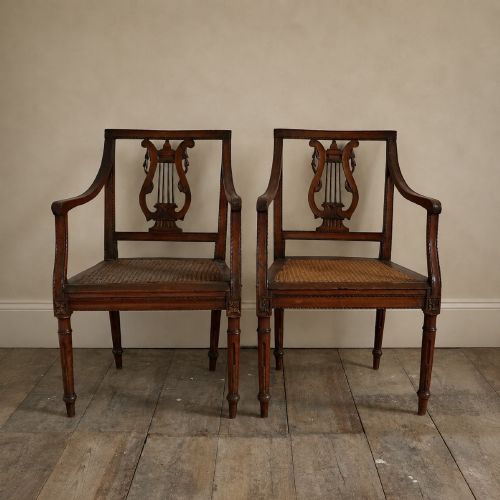
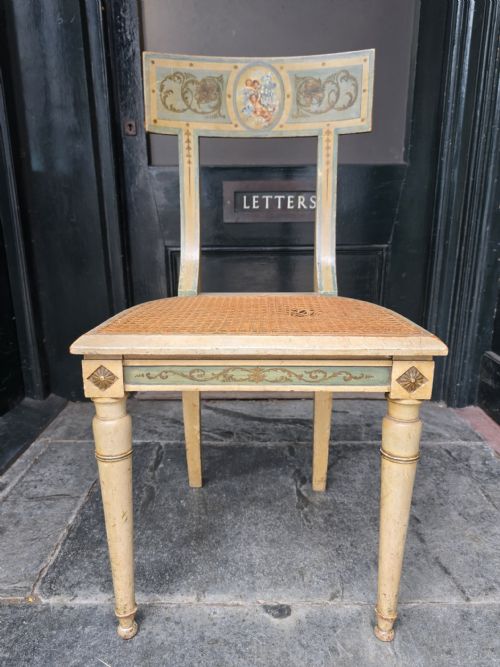
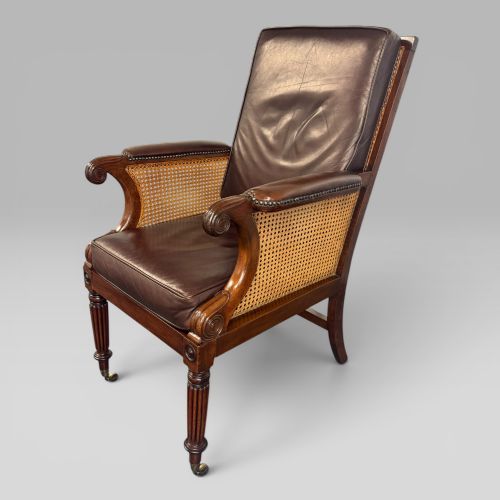
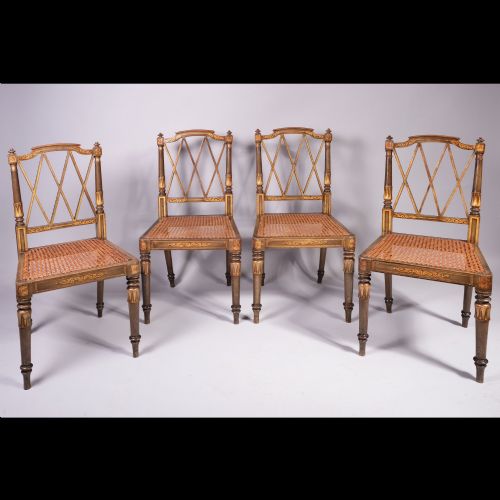
The common form on this page is the dining chair or library bergère, often found in sets or pairs, utilising durable woven cane panels within wooden frames.
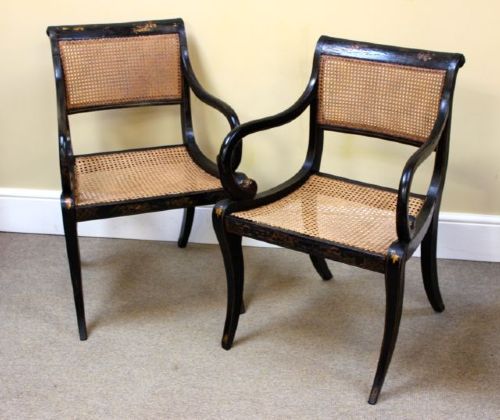
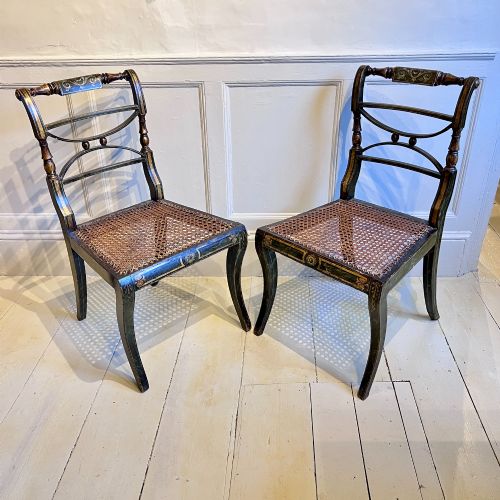
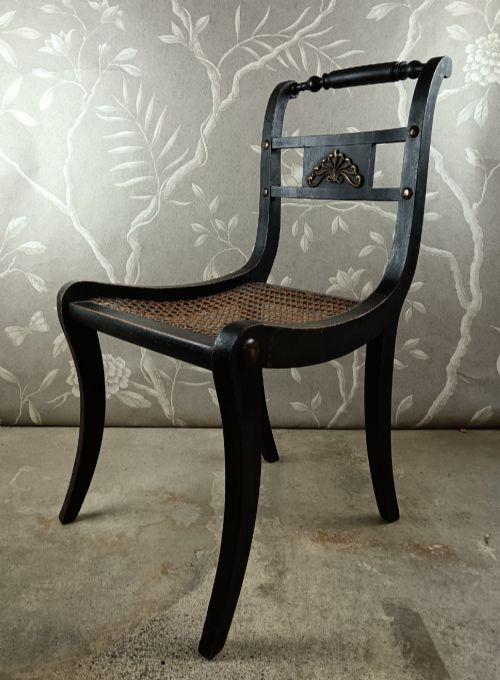
Makers produced these seating options in mahogany, rosewood, and painted finishes, ranging from simple side chairs to elaborate library armchairs with sabre legs.
Materials and Construction
Craftsmen utilised native and exotic timbers including mahogany, rosewood, padouk, and ebonised wood to build sturdy frames capable of supporting woven cane panels.
The characteristic woven cane provides a taut, resilient seating surface, frequently augmented with brass inlay, parcel gilding, or hand-painted decoration on the wooden framework.
The archive includes a correctional deportment chair designed to encourage upright posture in nineteenth-century sitters.
Assessing Quality and Execution
The standard of a piece depends on the crispness of the carving, the finesse of any brass inlay or painted decoration, and the integrity of the timber framing.
Superior examples display tight, uniform cane work alongside choice cabinet timbers, whereas lesser or later revival pieces may show simpler joinery and heavier proportions.
The Regency Caned Seat Glossary
- Bergère
- An enclosed upholstered or caned armchair with solid sides, often featuring a deep seat designed for library use.
- Sabre leg
- A curved chair leg that tapers toward the foot, mimicking the shape of a cavalry sabre and typical of the period.
- Klismos
- An ancient Greek chair form with curved back rails and splayed legs, revived during the Regency era.
- Parcel gilt
- Partially gilded woodwork where thin layers of gold leaf highlight specific carved details or mouldings.
Regency Caned Seat: Frequently Asked Questions
How do I care for a caned seat?
Keep woven cane seats away from direct heat sources to prevent the natural material from drying out and becoming brittle. Occasional light dusting and maintaining stable indoor humidity help preserve the strength of the weave.
Avoid sitting heavily on old cane panels without appropriate squab cushions, as original or early woven seats are delicate under sudden concentrated weight.
Are these chairs comfortable without cushions?
Caned seats offer a surprisingly springy and supportive surface because the woven material flexes slightly under weight. Many library bergères and dining chairs were originally designed to be used with loose squab cushions for added comfort.
Adding a tailored squab cushion protects the cane from direct wear while providing softer seating during extended use.
How do I distinguish original Regency from revival pieces?
Original pieces display period construction techniques, timber shrinkage, and hand-cut joinery consistent with the early nineteenth century. Revival pieces from later decades often feature machine-made components and different secondary woods.
Examining the wear patterns on the frame and the patina of the wood helps confirm the age of the seating.
What rooms suit these seats best?
The light and airy appearance of woven cane suits drawing rooms, studies, and bedrooms where heavy upholstery might overwhelm the space. Their classical silhouettes pair well with both traditional antique interiors and modern minimalist settings.
Placing them away from direct sunlight protects the delicate wood finishes and painted decorations over time.