

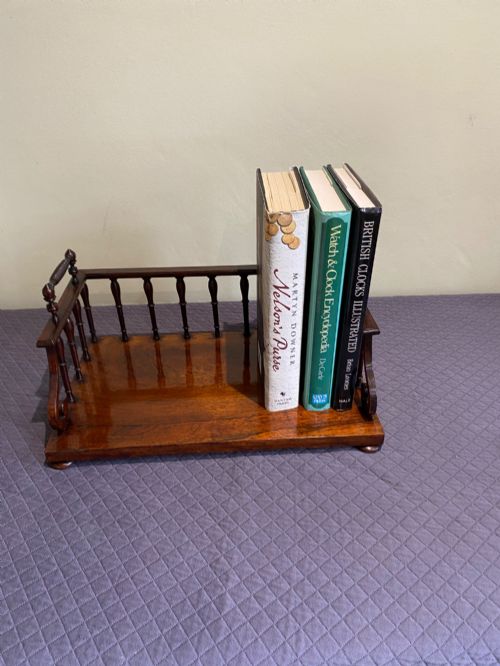
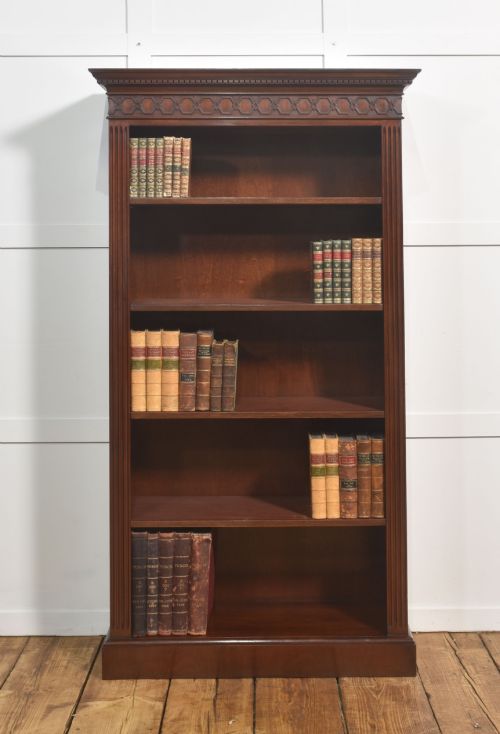
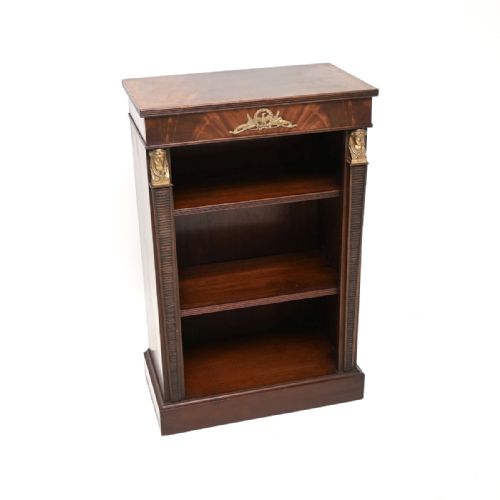
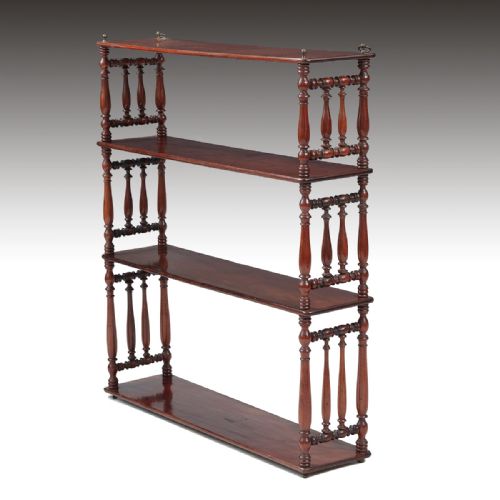
Regency Bookshelf
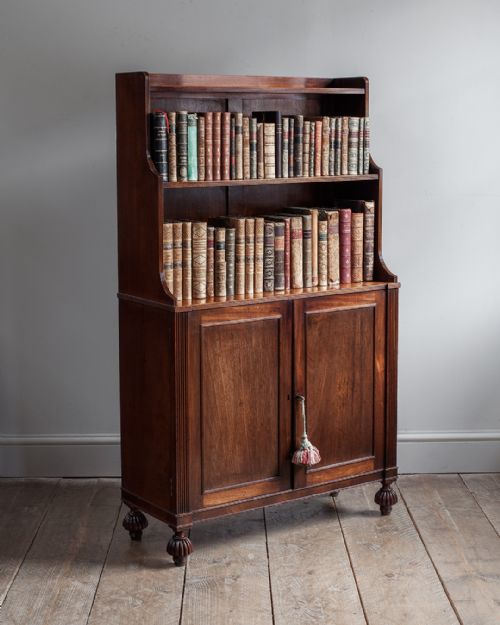
A regency bookshelf brings architectural grace to a room, offering open storage for volumes crafted in rich timbers.
Regency Bookshelf
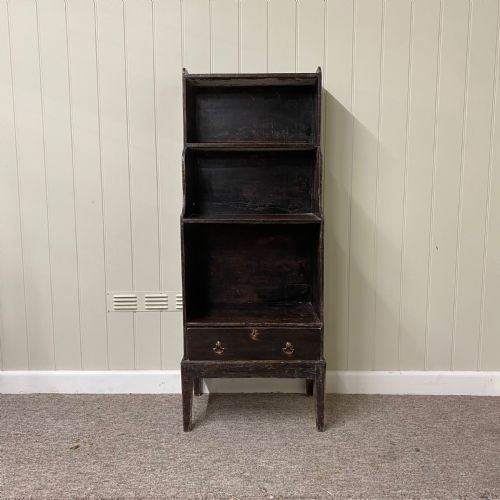
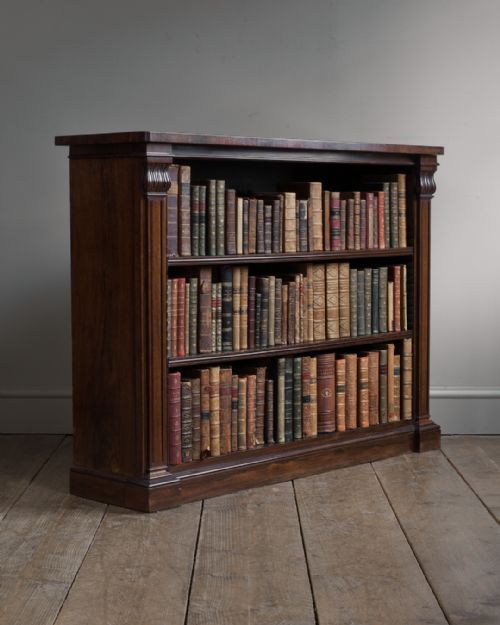
A regency bookshelf buyer encounters open bookcases, dwarf units, and multi-tiered hanging shelves designed to hold portable collections of literature. These pieces originate from the early nineteenth century alongside later revival periods drawing on Georgian and neoclassical aesthetics.
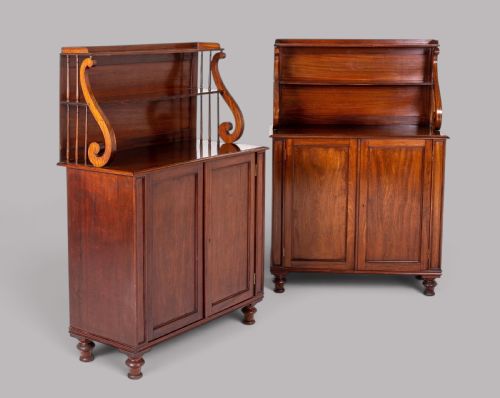
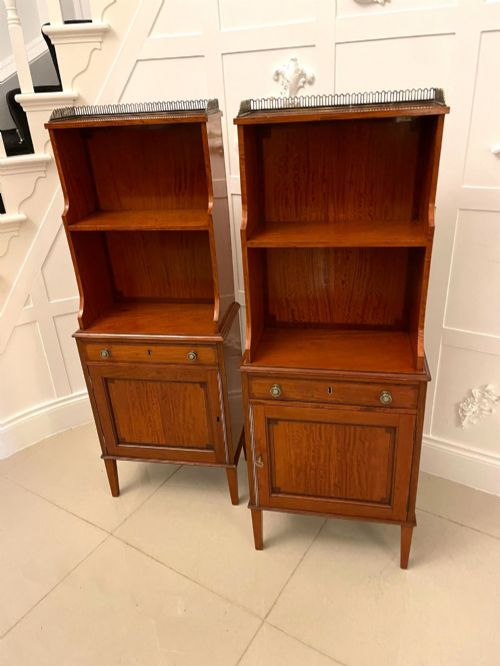
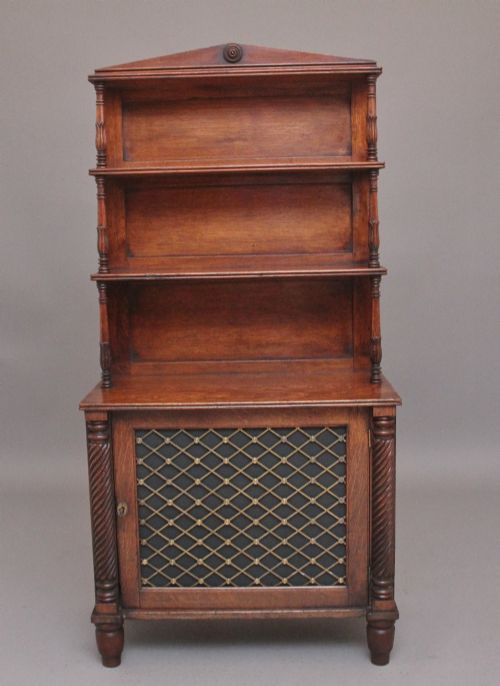
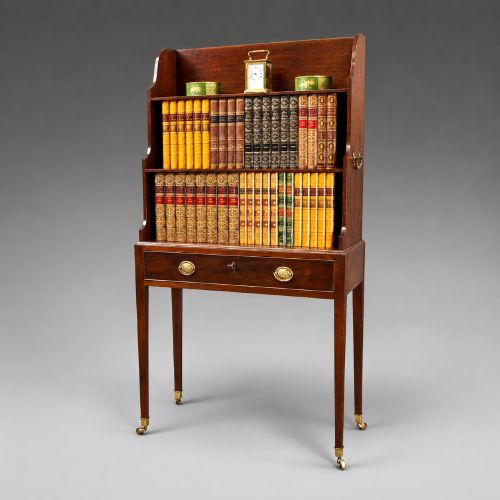
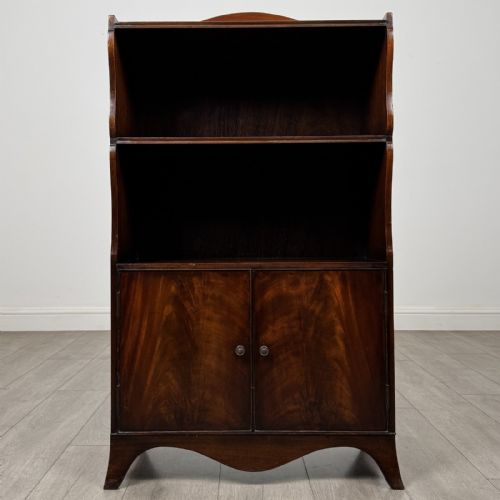
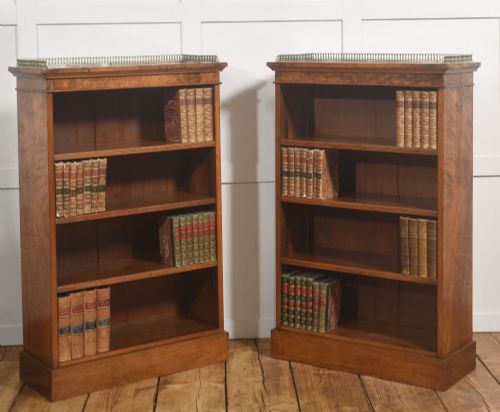
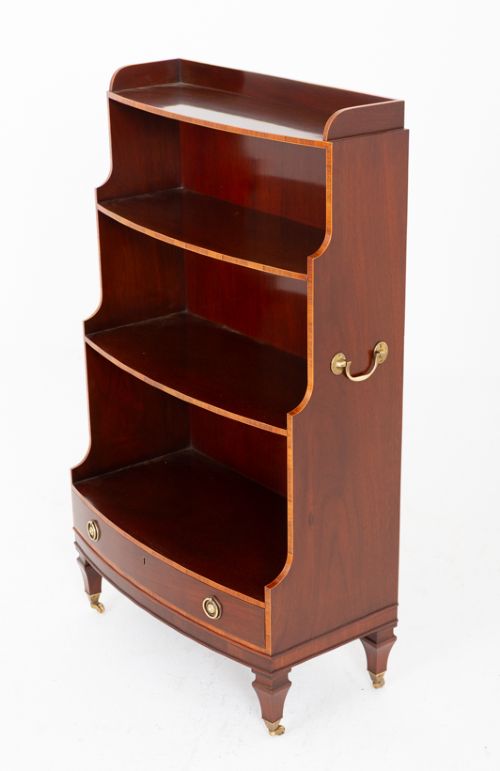
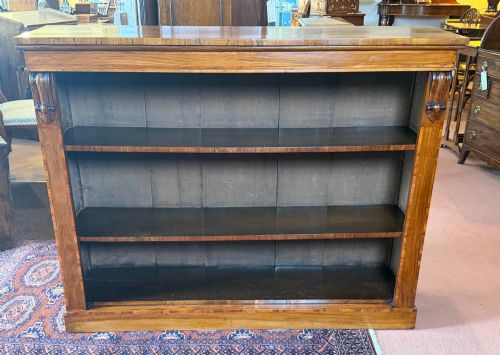
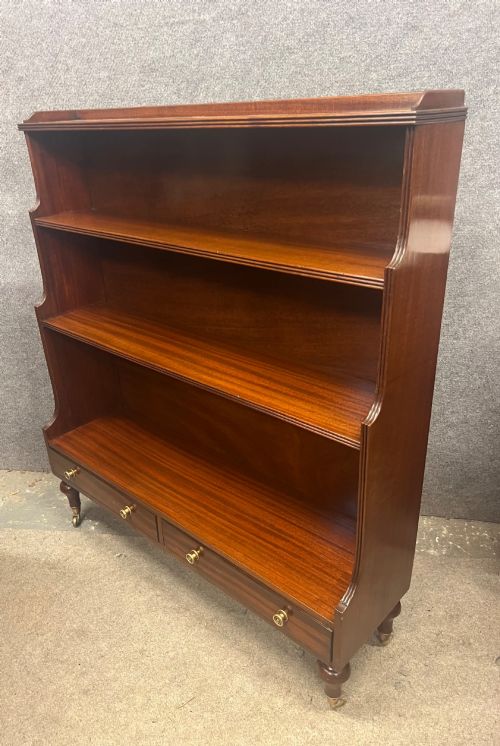
The most common formats on this page include mahogany waterfall bookcases and rosewood open shelves fitted with adjustable tiers for varying volumes. Makers often incorporated brass galleries or lower cupboards to balance display space with enclosed storage.
Pieces span from authentic Regency and George III periods through to Edwardian and early twentieth-century revivals. Buyers select these items to introduce period character and practical shelving into domestic libraries and living spaces.
Materials and construction techniques
Cabinet makers utilised dense imported hardwoods like mahogany and rosewood, often selecting figured veneers such as burr walnut or satinwood for decorative surfaces. These timbers provided the structural stability required for tall uprights and tiered waterfall designs.
Metal accents including brass galleries and ormolu mounts were applied to secure contents and elevate the decorative scheme. Joinery techniques ensured that upright panels supported adjustable shelving systems intended for heavy rows of bound texts.
Regency Bookshelf Retail Price Guide 2026
Typical asking prices for regency bookshelf among the pieces listed under this phrase on Sellingantiques today, from the lower quarter to the upper quarter. They describe what is for sale here now, not the wider market.
Listings feature mahogany, rosewood, burr walnut, and satinwood across periods spanning from Georgian times through to the early twentieth century.
Factors of construction and finish
Quality rests upon the selection of timber grain and the crispness of applied mouldings or brass galleries. Superior examples display carefully matched flame mahogany or rich rosewood veneers across prominent surfaces.
The integration of functional elements such as smoothly operating adjustable shelf mechanisms separates standard production from finer workshop output. Structural integrity in the uprights and stability in tiered waterfall frames dictate long-term durability.
Gillows
The Regency Bookshelf Glossary
- Waterfall bookcase
- A tiered shelving unit where each successive shelf steps back from the one below, creating a cascading profile.
- Brass gallery
- A low decorative metal rail fitted around the top surface or individual shelves to keep contents secure.
- Breakfront
- A cabinet design where the central section projects forward from the flanking wings.
- Dwarf bookcase
- A low open shelving unit designed to sit beneath dado height in a library or parlour.
- Whatnot
- A multi-tiered piece of freestanding furniture used for displaying books, ornaments, or writing accessories.
Regency Bookshelf: Frequently Asked Questions
What defines a regency bookshelf?
These pieces combine classical architectural proportions with accessible open shelving intended for domestic libraries. They utilise dense timbers such as mahogany and rosewood to support rows of literature.
Many examples incorporate graduated tiers, brass galleries, or lower cupboards, reflecting the aesthetic preferences of the early nineteenth century and subsequent revival eras.
How were these shelves used?
Owners placed them in studies, parlours, and libraries to house portable volumes and contemporary reading material. The open format allowed quick selection of texts while serving as a display surface for decorative objects.
Smaller hanging versions and portable bookshelves accommodated literature in chambers where floor space remained limited.
How do I style one at home?
Position an open bookcase against a primary wall in a study or living room to anchor the space with rich timber tones. Balance heavy leather-bound volumes with decorative ceramics or small sculptures on the upper tiers.
Ensure the piece receives adequate natural light to highlight the grain of the mahogany or rosewood surfaces without exposing the timber to direct harsh sunlight.
How do I distinguish periods?
Authentic pieces from the early nineteenth century display timber patination and construction methods consistent with Georgian and Regency cabinet making. Revival pieces from later decades often adopt neoclassical or Empire styling while retaining similar proportions.
Examine the secondary woods used for backing boards and the mechanics of adjustable shelving to understand the manufacturing era.