

Regency Bookcase Unit
A regency bookcase unit brings architectural harmony and rich timber tones to a room, offering practical display space wrapped in classic proportions.
Regency Bookcase Unit
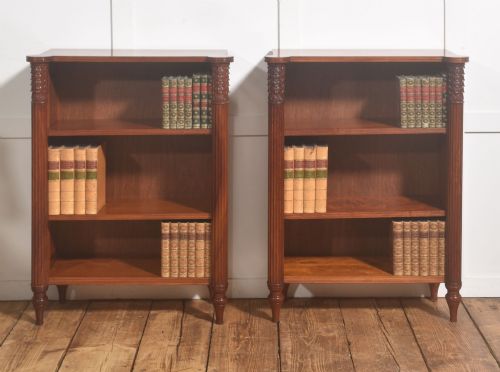
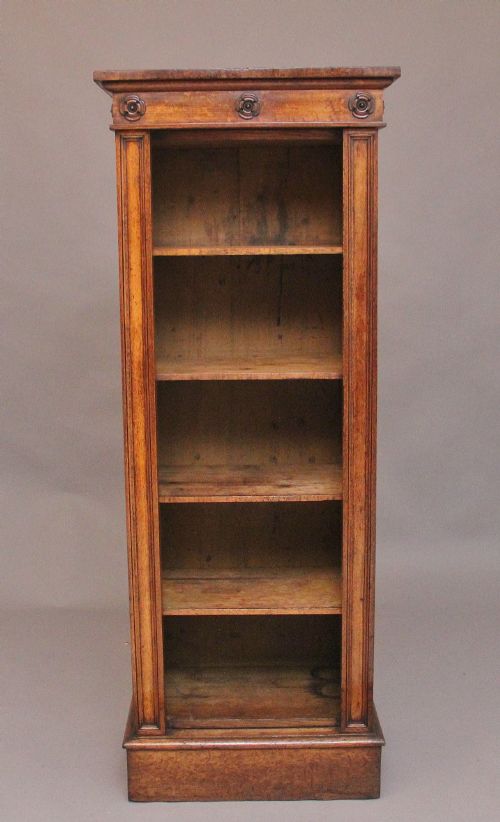
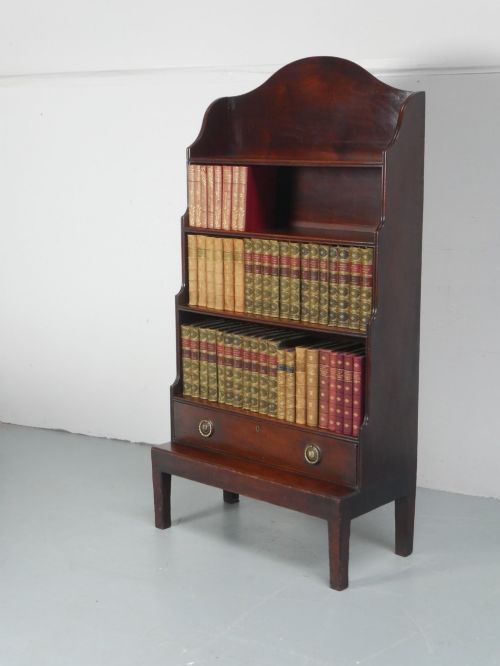
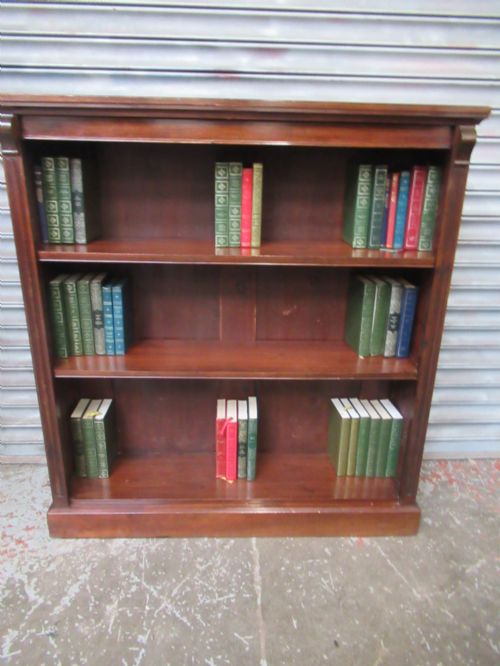
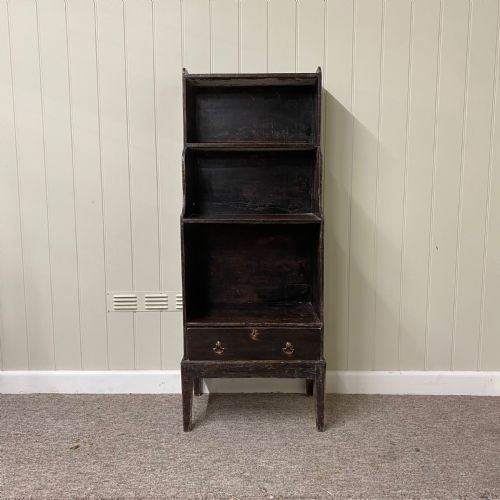
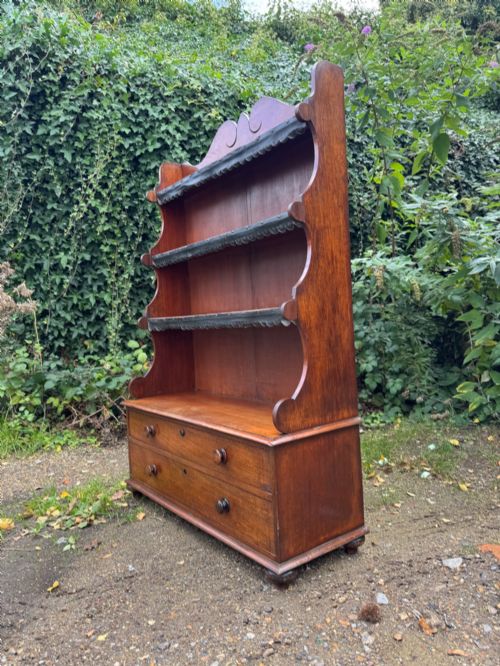
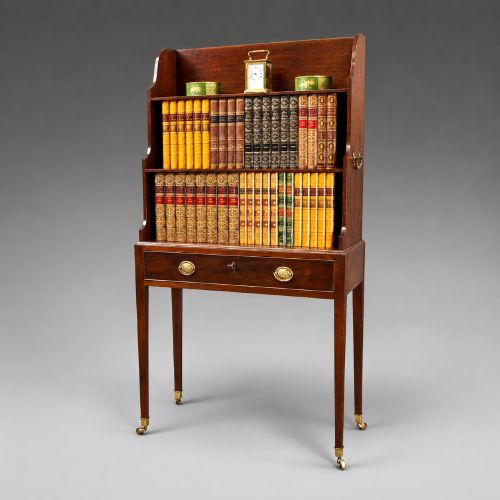
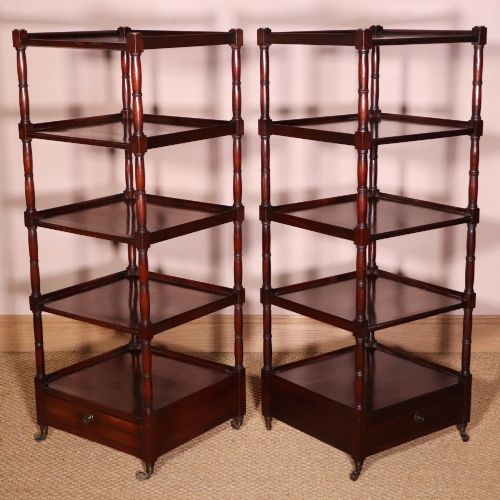
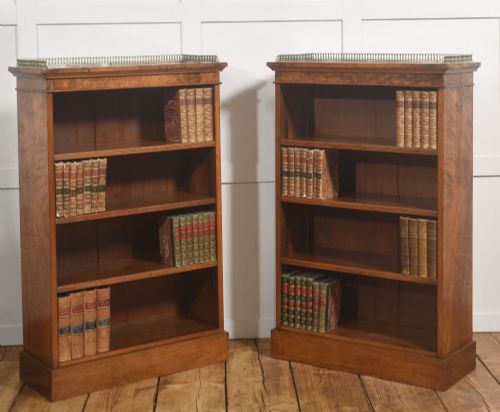
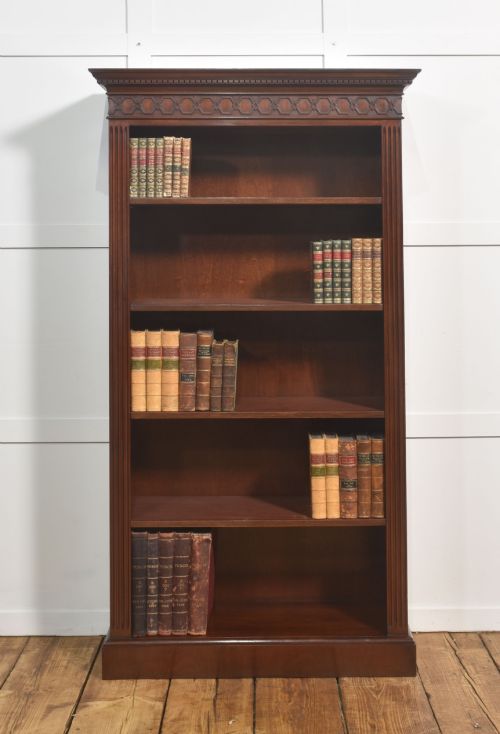
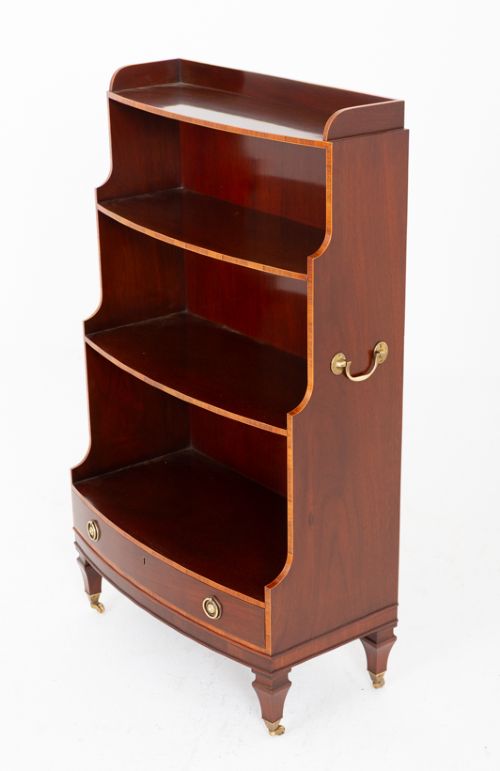
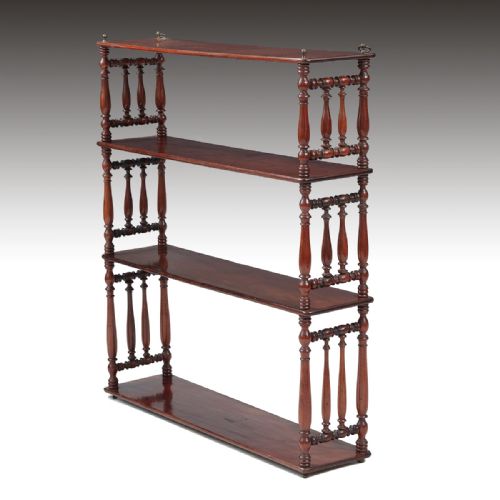
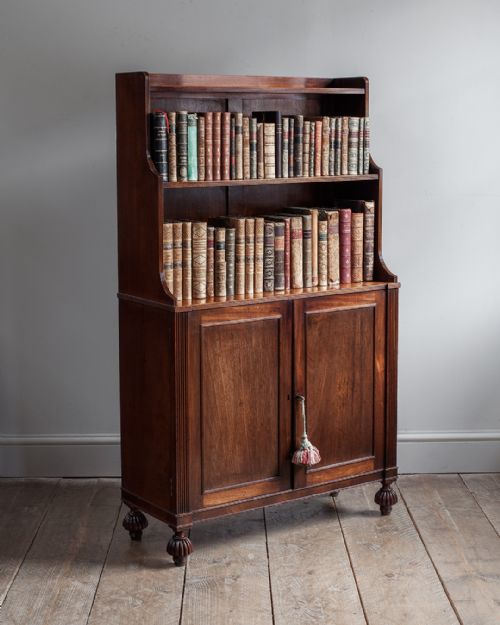
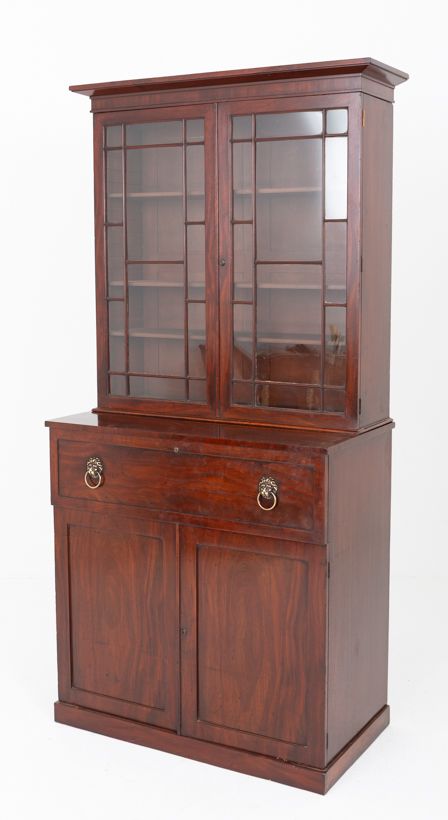
When you search for a regency bookcase unit, you encounter open shelf formats, breakfront libraries, and tiered whatnots designed to house collections in refined style. These pieces emerge predominantly from the nineteenth century, spanning periods from George III and the Regency through to William IV and George IV.
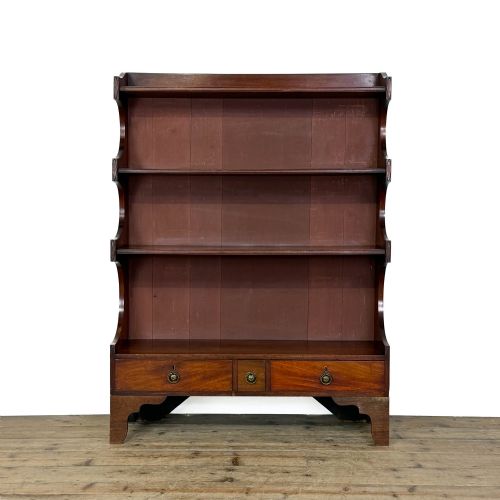
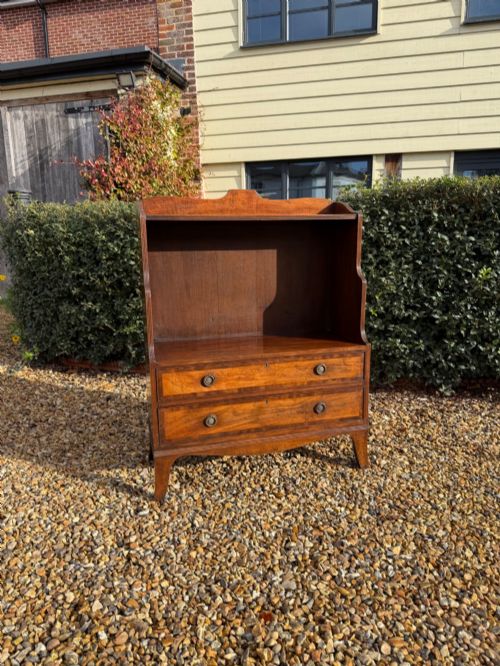
The version you meet most frequently on this page is the mahogany open bookcase, alongside rosewood variants and tiered waterfall designs. Makers of the era shaped these items as dwarf units, freestanding display shelves, and secretaire cabinets suited to domestic libraries and formal drawing rooms.
How they were made
Cabinetmakers utilised solid timber alongside flame mahogany veneer and burr walnut, laying veneers over sturdy structural woods to catch the light across the grain. Brass details appear frequently as inlaid stringing, protective galleries, and delicate mounts that accent the dark timber.
Glass panels feature in glazed cabinet doors where fitted, while adjustable shelving systems provide practical versatility for varying volumes. Structural integrity relies on traditional joinery, ensuring that heavy breakfront libraries and petite chiffoniers support dense rows of books.
Regency Bookcase Unit Retail Price Guide 2026
Typical asking prices for regency bookcase unit among the pieces listed under this phrase on Sellingantiques today, from the lower quarter to the upper quarter. They describe what is for sale here now, not the wider market.
Listings span the nineteenth century alongside later twentieth-century revivals, utilising mahogany, rosewood, burr walnut, and brass.
What varies in quality
The distinction between standard utility and superior craftsmanship rests in the selection of the timber and the precision of the brass inlay. Dense flame mahogany and richly figured rosewood demonstrate a higher grade of material selection than plain secondary woods.
Proportion and architectural balance dictate the visual success of the piece, where refined mouldings and well-judged column or pilaster details elevate a simple bookshelf into a sophisticated focal point.
Gillows
The Regency Bookcase Unit Glossary
- Breakfront
- A cabinet design where the central section projects forward from the flanking wings, adding architectural depth to large bookcases.
- Waterfall bookcase
- A graduated set of open shelves diminishing in depth from bottom to top, often featuring tiered galleries.
- Secretaire bookcase
- A tall cabinet incorporating a pull-down writing drawer with internal compartments beneath upper shelving.
- Whatnot
- A multi-tiered open stand designed for displaying ornaments, books, or small possessions within a principal room.
- Brass gallery
- A delicate metal rail mounted along the top shelf or tier to prevent items from sliding off.
Regency Bookcase Unit: Frequently Asked Questions
What is a waterfall bookcase?
A waterfall bookcase is a tiered shelving unit where each successive shelf steps back from the one below it, creating a distinctive cascading profile.
These pieces often include small galleries and were designed for flexible placement in studies and sitting rooms.
How do I style an open bookcase?
Open bookcases benefit from a balance of vertical book stacks and horizontal groupings, interspersed with decorative objects or small framed works.
Allowing breathing room around collections helps showcase the underlying timber grain and any brass inlay.
Are the shelves adjustable?
Many period open bookcases feature adjustable wooden shelving supported by traditional ratchets or pin systems to accommodate books of varying heights.
This adaptability distinguishes functional library furniture from fixed architectural joinery.
What distinguishes Regency from William IV?
Regency pieces often display restrained neoclassical lines, delicate brass stringing, and lighter proportions inspired by classical antiquity.
William IV examples tend towards heavier, sturdier forms with bolder carved details and richer rosewood or mahogany surfaces.