





Regency Blanket Chest
These regency blanket chest options bring period timber and brasswork into the home, offering practical storage with genuine early nineteenth-century character.
Regency Blanket Chest
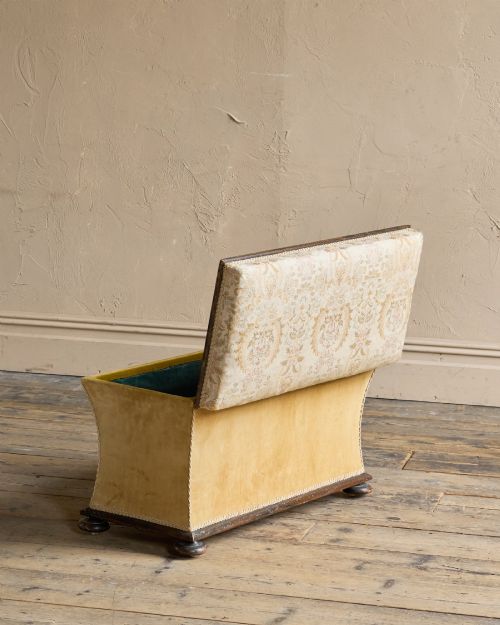
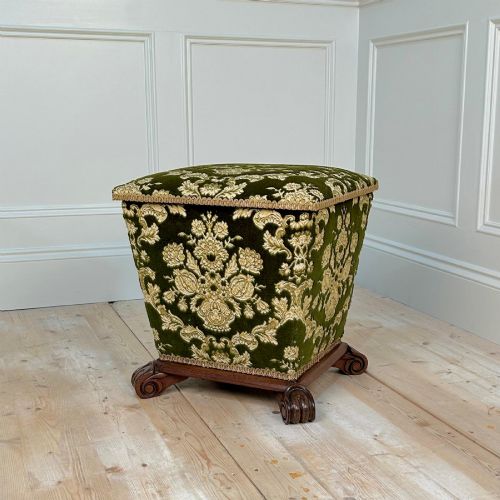
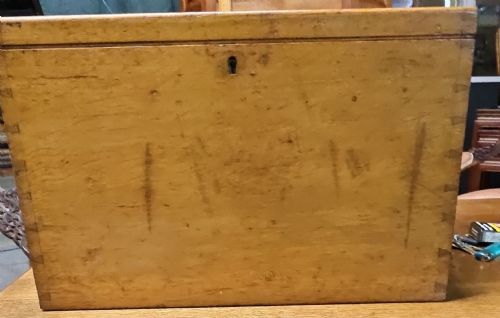
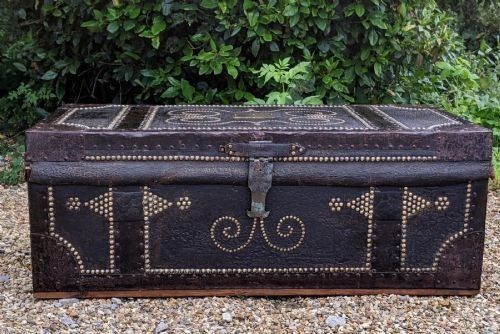
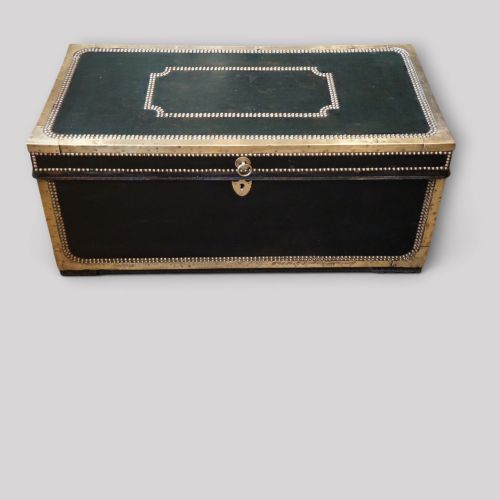
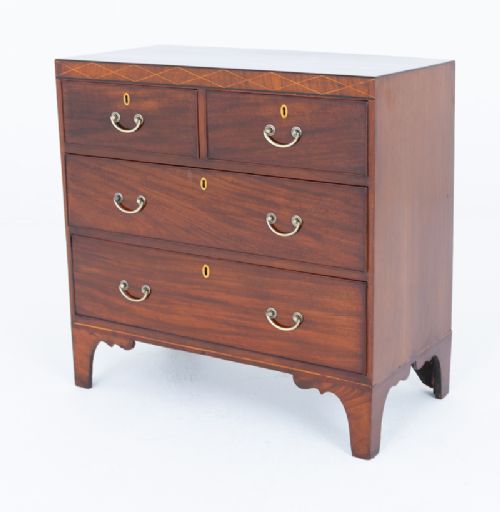
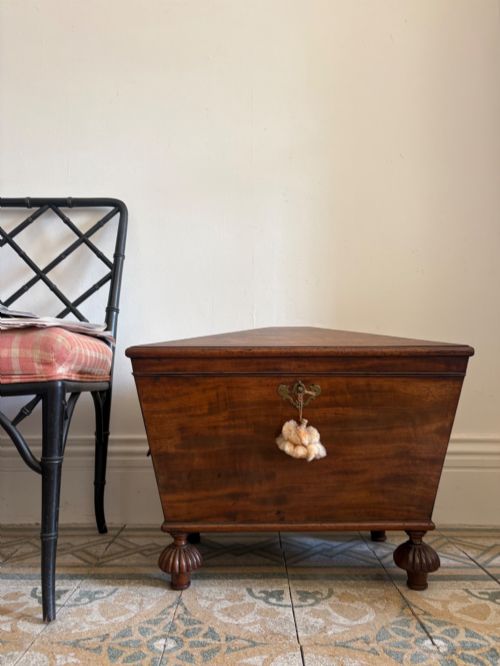
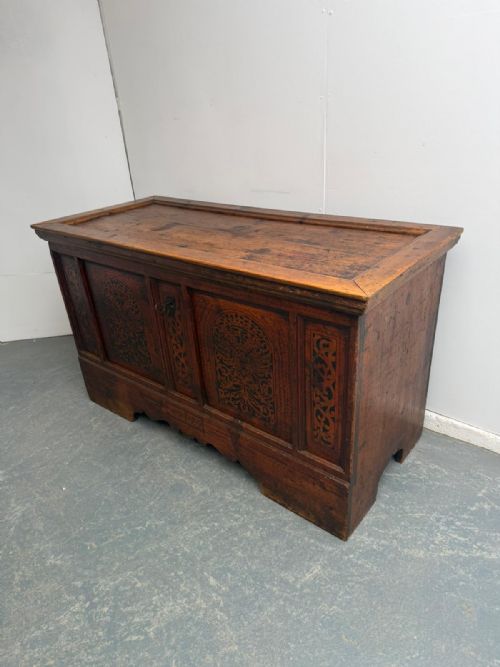
A regency blanket chest encompasses a diverse group of storage forms, ranging from leather-covered trunks and box ottomans to painted folk art coffers. Buyers seeking this phrase frequently encounter mahogany chests of drawers, sarcophagus cellarettes, and studded trunks dating from the early nineteenth century.
The selection on this page bridges formal British cabinet making and regional European folk art. Pieces span the Regency period through to Victorian adaptations, showcasing both refined mahogany finishes and rustic painted pine.
How they were made
Construction relies heavily on solid timbers such as mahogany, oak, pine, and rosewood, frequently joined to create robust storage boxes and multi-drawer carcases. Workshops utilised brass for handles, escutcheons, and decorative studwork, alongside leather coverings secured to trunk bodies.
Regency Blanket Chest Retail Price Guide 2026
Typical asking prices for regency blanket chest among the pieces listed under this phrase on Sellingantiques today, from the lower quarter to the upper quarter. They describe what is for sale here now, not the wider market.
Listings feature mahogany, oak, pine, and rosewood timbers alongside brass, leather, and iron components.
What varies in quality
Quality differentiates by the choice of primary timber and the precision of the brass embellishments. Fine mahogany and rosewood examples display superior grain selection and cabinet work compared to utilitarian pine or iron-reinforced travel trunks.
The integrity of original surface treatments, whether leather upholstery, brass stud patterns, or folk art paint, dictates the standing of an individual piece. Retained internal elements, such as lead linings in cellarettes, elevate the authenticity of the object.
Gillows of Lancaster·Thomas Hope
The Regency Blanket Chest Glossary
- Regency
- A stylistic period spanning the early nineteenth century, characterised by classical restraint and influences from ancient civilisations. It follows the Georgian era and precedes the Victorian epoch.
- Mule chest
- A storage form combining a chest base with one or more drawers beneath the main compartment. This hybrid design bridges the traditional coffer and the chest of drawers.
- Ottoman
- A low upholstered seat or box without a back, adapted in the nineteenth century as a hinged storage box. These often feature leather upholstery and brass studwork.
- Escutcheon
- A protective plate surrounding a keyhole, usually fashioned from brass in these periods. It serves both a functional purpose and a decorative role on box and drawer fronts.
Regency Blanket Chest: Frequently Asked Questions
What is a regency blanket chest used for?
These pieces serve primarily for domestic storage, holding blankets, linens, and household items while doubling as surface furniture or seating in the case of ottomans and trunks.
Historically, robust trunk forms were also built for travel and transport before finding a permanent place within the home as decorative storage.
How do I identify a regency period piece?
Authentic pieces from the era typically display characteristic timber choices such as figured mahogany, rosewood, or pine, combined with specific hardware like brass studding and paw feet.
Construction details, including two-part designs and original lead linings, help distinguish nineteenth-century examples from later reproductions.
Where should I place an ottoman chest?
Leather and wood ottomans suit placement at the foot of a bed or within a hallway, offering accessible storage space alongside a firm surface for seating.
Their substantial timber construction and decorative brasswork also allow them to function effectively as standalone focal points in a living room.
Are painted pine chests authentic?
Painted pine examples often represent European folk art traditions, offering a distinct aesthetic compared to polished British mahogany furniture.
These pieces feature original painted surfaces that reflect regional craftsmanship and decorative customs from the early nineteenth century.