






Regency Bar Back
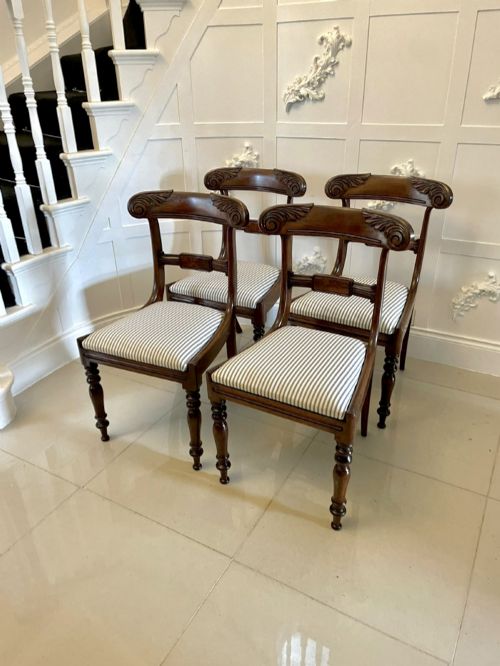
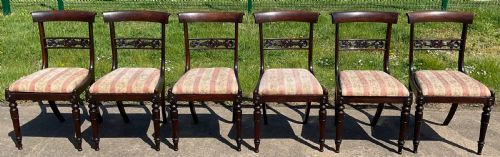
A regency bar back dining chair brings clean horizontal lines and architectural proportion to a room, offering both formal elegance and everyday utility.
Regency Bar Back
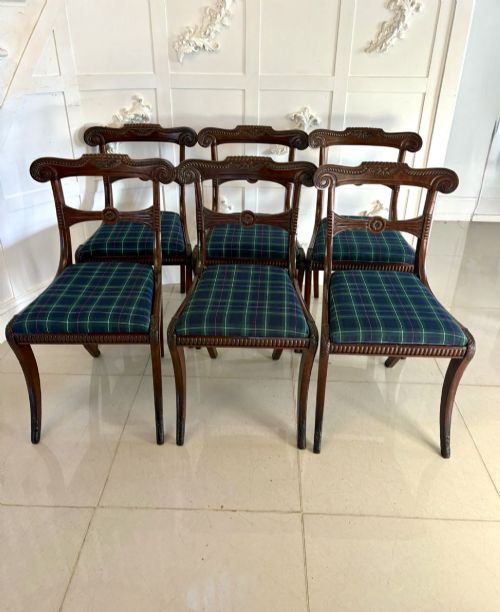
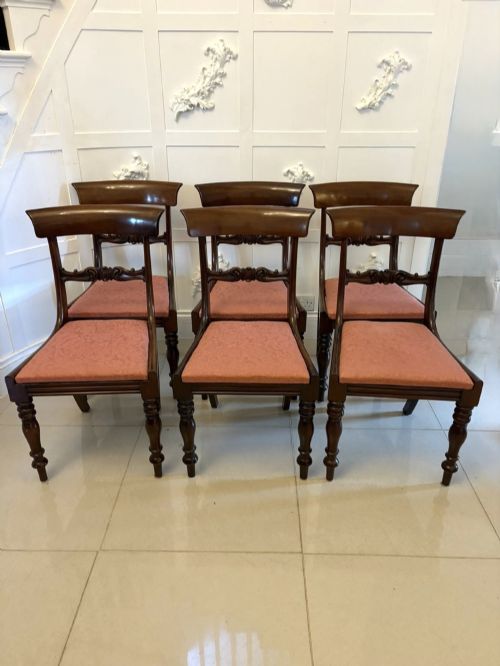
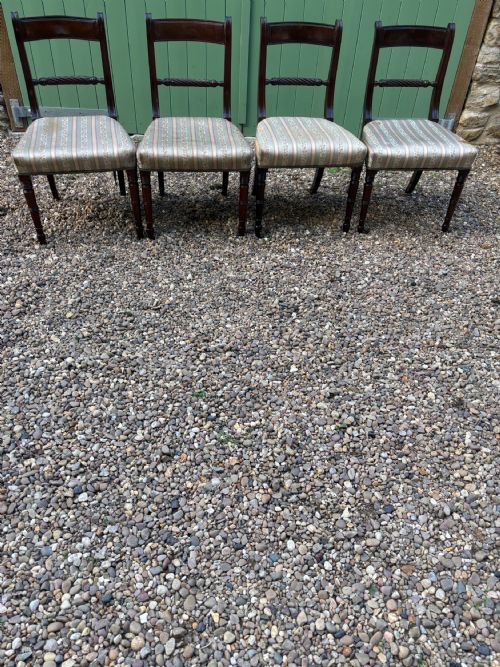
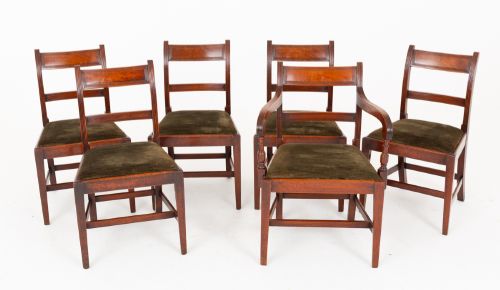
A regency bar back search reveals solid timber seating designed primarily for the dining room, spanning single side chairs and matching sets alongside occasional armchairs and carvers.
Most examples found here date from the nineteenth century, emerging from the Regency, George III, and William IV periods, while later revivals also appear.
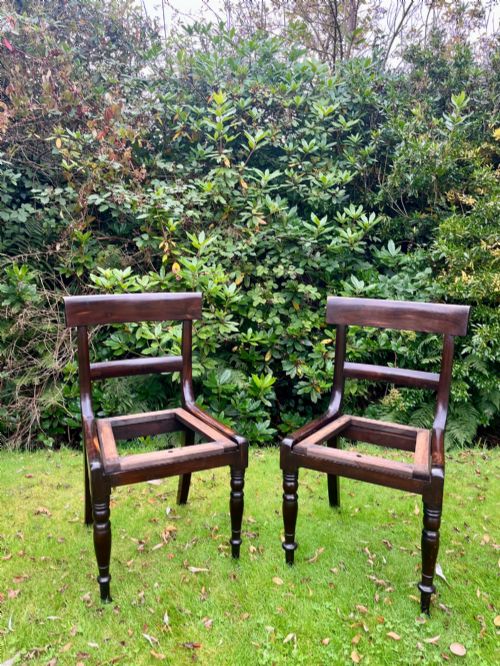
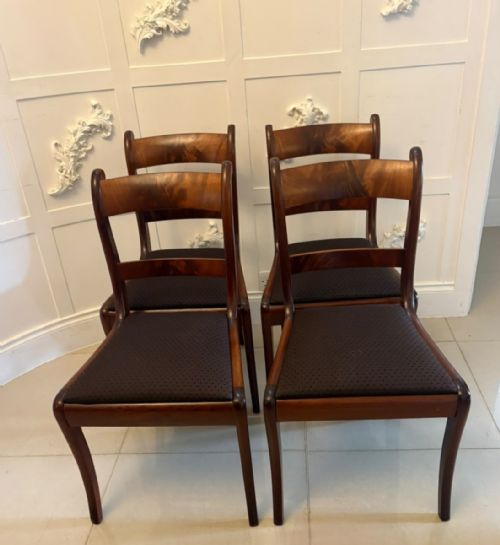
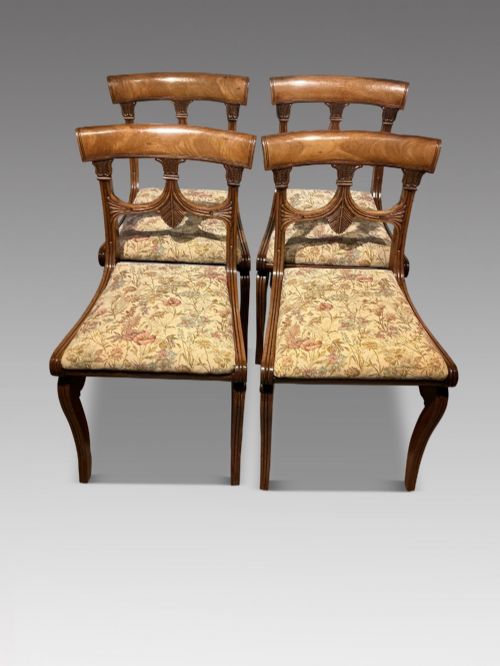
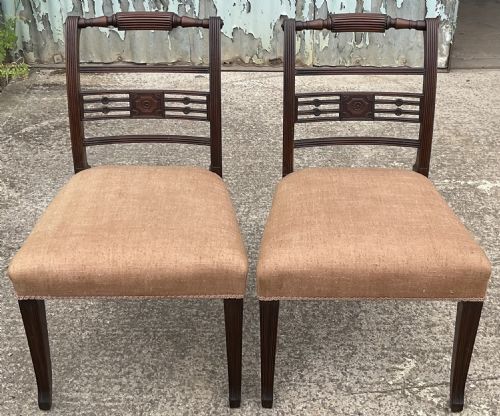
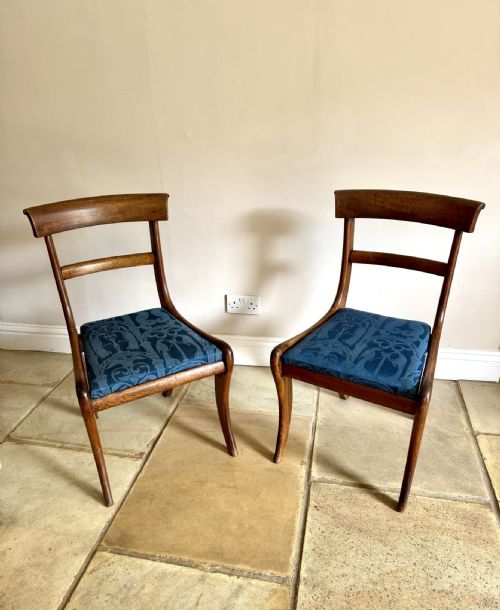
The defining feature is the horizontal top rail or slat forming the backrest, often shaped or reeded to echo classical architectural motifs.
How they were made
Cabinetmakers relied heavily on solid mahogany, rosewood, and occasionally oak, frequently selecting figured timber for the back panels.
Joinery techniques included mortise and tenon frames designed to endure heavy use around the dining table, paired with drop-in seats upholstered in fabric, leather, or velvet.
Regency Bar Back Retail Price Guide 2026
Typical asking prices for regency bar back among the pieces listed under this phrase on Sellingantiques today, from the lower quarter to the upper quarter. They describe what is for sale here now, not the wider market.
Periods represented span Georgian, Regency, William IV, and Victorian eras.
What varies in quality
The refinement of the carving on the horizontal rail and the sharpness of the reeding distinguish workshop output.
Timber selection dictates overall character, with dense flame mahogany and rosewood commanding greater visual presence than plain stock.
The Regency Bar Back Glossary
- Bar back
- A chair featuring a horizontal transverse wooden slat across the upper backrest, characteristic of early nineteenth-century seating. This shape provides lower back support while maintaining a low profile.
- Sabre leg
- A curving outward-tapering leg resembling a cavalry sword, found frequently on Regency dining chairs. It offers stability without bulky stretchers.
- Carver
- An armchair designed to match a set of dining side chairs, usually placed at the head of the table. These often feature scrolled armrests.
- Reeding
- Parallel convex mouldings carved directly into the wood of legs or back rails. The technique provides textural contrast and linear grace.
Regency Bar Back: Frequently Asked Questions
How do I spot a true Regency chair?
Examine the timber, turning, and joinery methods visible beneath the seat frame. Genuine period pieces display honest construction from the early nineteenth century.
Look closely at the proportions of the sabre legs and the crispness of any brass inlay or carved horizontal splats.
Are these chairs comfortable for daily dining?
Most side chairs feature upholstered drop-in pads designed for upright sitting during long meals. The curved horizontal rail supports the lower back effectively.
Seat firmness depends entirely on the modern or traditional stuffing materials used during reupholstery.
Can I mix these with modern dining tables?
The clean horizontal lines of a bar back design complement contemporary timber and glass surfaces surprisingly well. Mahogany and rosewood tones add warmth to minimalist spaces.
Consider the seat height carefully to ensure adequate clearance beneath modern table aprons.
What is the difference between a side chair and a carver?
Side chairs are narrower dining seats built without armrests to allow efficient grouping around a table. Carvers include integrated armrests for the host.
Sets of dining chairs often combine a matching pair of carvers with multiple armless side chairs.