



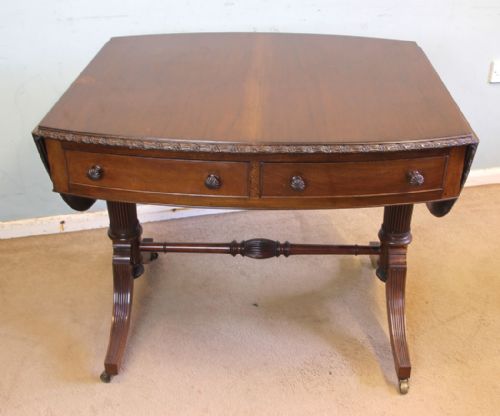


Reeded Wood Sofa
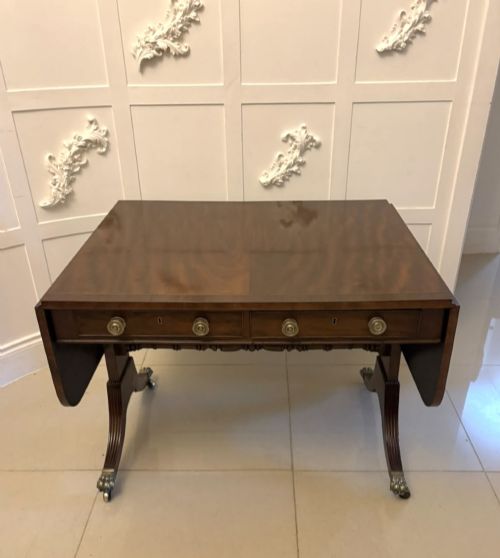
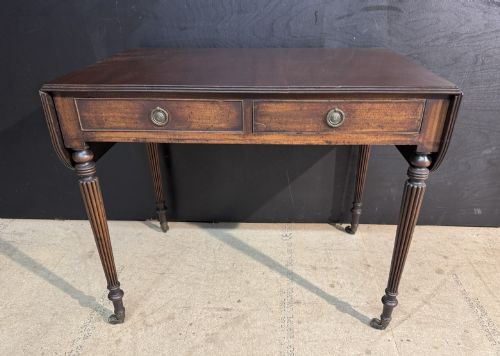
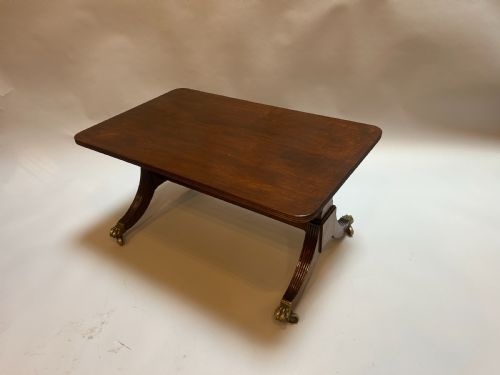
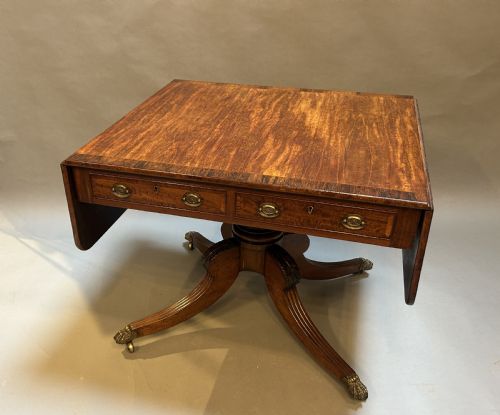
A reeded wood sofa brings architectural grace to a room through finely carved linear mouldings that catch the light.
Reeded Wood Sofa
A reeded wood sofa sits within the wider landscape of Regency, Georgian, and 19th Century furniture, appearing alongside related forms like sofa tables, console tables, and library writing desks. These pieces showcase the linear, classical ornament that defines the aesthetic of the period.
The specific examples encountered here span from the early 19th Century up through later revival periods including the 1920s and 1930s, offering both original antique seating and faithful later interpretations. Mahogany and simulated rosewood dominate the material record, paired with traditional upholstery substrates such as hessian.
Buyers seeking a reeded wood sofa will also find occasional country house settees and drop-leaf tables sharing the same characteristic turnings and carved detail. Each piece reflects the enduring appeal of classical proportion combined with functional domestic utility.
What varies in quality
The crispness and depth of the reeded carved detail dictate much of the visual success of a piece, with sharper, evenly spaced channels marking superior execution. Timber selection plays an equally vital role, as finely figured mahogany or meticulously painted simulated rosewood surfaces demand expert joinery and finishing.
Makers known for exceptional standards, such as Gillows, distinguish their output through robust internal framing, precise brass hardware integration, and well-balanced proportions. Later revival pieces vary according to how closely the workshop adhered to the rigorous construction methods of the original Georgian and Regency eras.
Reeded Wood Sofa Retail Price Guide 2026
Typical asking prices for reeded wood sofa among the pieces listed under this phrase on Sellingantiques today, from the lower quarter to the upper quarter. They describe what is for sale here now, not the wider market.
Listings span from the Georgian and Regency periods through 19th Century revivals up to the 1930s, predominantly utilising mahogany, brass, and simulated rosewood.
Gillows of Lancaster and London
The Reeded Wood Sofa Glossary
- Reeding
- Parallel convex mouldings carved into wood to resemble tightly packed reeds. This decorative technique appears frequently on the legs and pillar supports of tables and seating.
- Pembroke table
- A small occasional table featuring drop leaves on either side supported by hinged brackets. These versatile pieces often incorporate single or double drawers.
- Simulated rosewood
- A painted or stained surface treatment applied to a cheaper timber such as beech or mahogany to imitate the dark, richly figured grain of genuine rosewood. It was widely utilised during the Regency period.
- Hessian
- A coarse woven fabric typically manufactured from jute or hemp fibres. It serves as a traditional foundation layer beneath outer upholstery textiles in period seating.
Reeded Wood Sofa: Frequently Asked Questions
What is a reeded wood sofa?
A reeded wood sofa is a seating piece featuring parallel convex mouldings carved into the wooden frame members. These items draw on Regency and Georgian design vocabulary.
They appear alongside related furniture forms such as sofa tables and library writing desks from the early nineteenth century and later revival periods.
How do I identify a Regency period piece?
Regency items typically display classical proportions, dark timbers like mahogany, and architectural details such as brass paw feet and reeded legs. Cabinet makers of the era favored clean lines and structural restraint.
Later revival pieces from the early twentieth century often emulate these exact characteristics, requiring careful examination of timber ageing and joinery techniques to date accurately.
Where were these pieces used historically?
These furnishings belonged primarily in the formal reception rooms, libraries, and drawing rooms of country houses and town residences. They provided both comfortable seating and a display of refined taste for entertaining guests.
Smaller tables and work desks functioned as movable writing surfaces or tea tables within private family apartments.
How should I care for antique mahogany furniture?
Protect antique mahogany and simulated rosewood surfaces from direct sunlight and extreme humidity fluctuations to prevent timber splitting or fading. Regular dusting with a soft, dry cloth preserves the original polish.
Avoid commercial silicone sprays and rely instead on traditional beeswax formulations applied sparingly to maintain the natural lustre of the wood.