




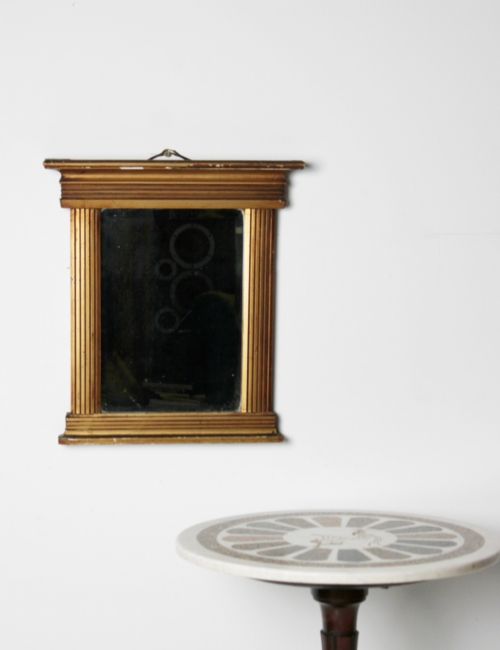


Reeded Wood Frame
These reeded wood frame pieces bring together Regency and Victorian forms, offering structural clarity and carved detail that elevate any interior.
Reeded Wood Frame
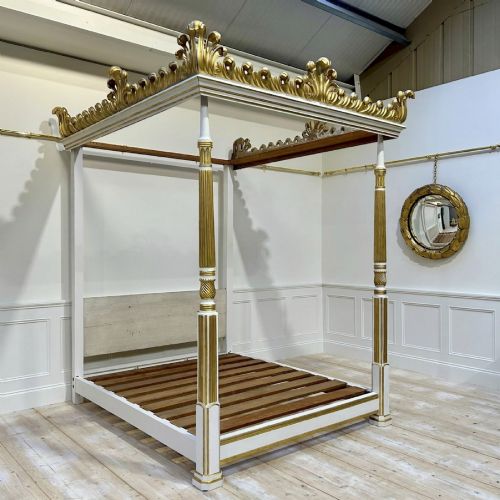
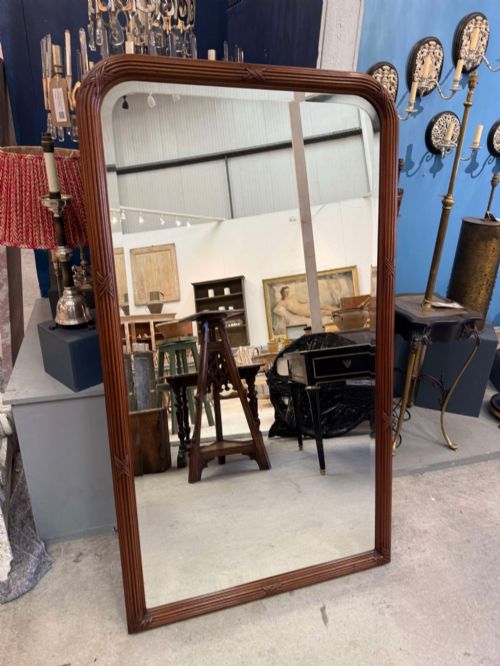
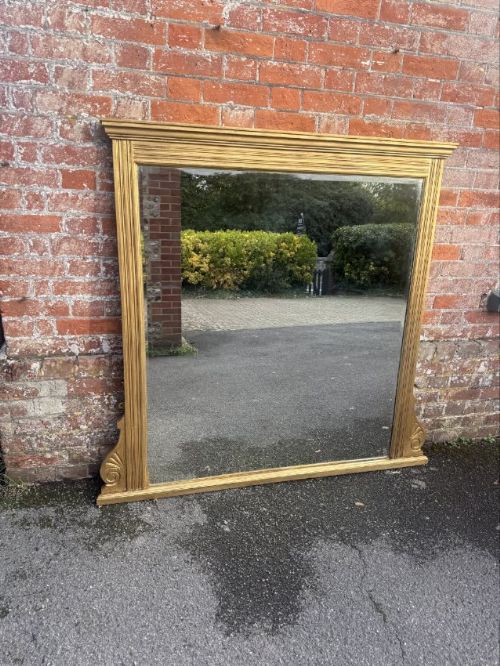
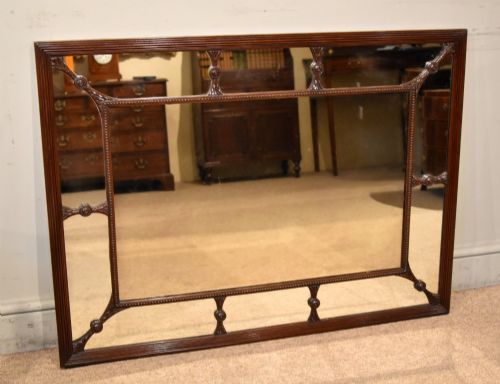
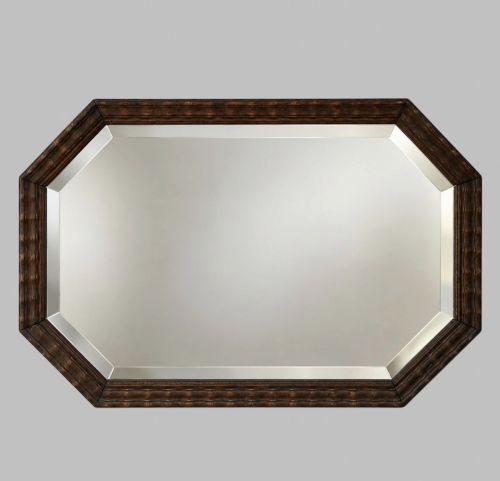
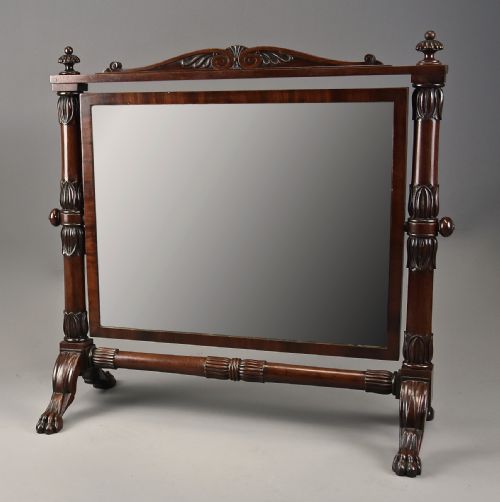
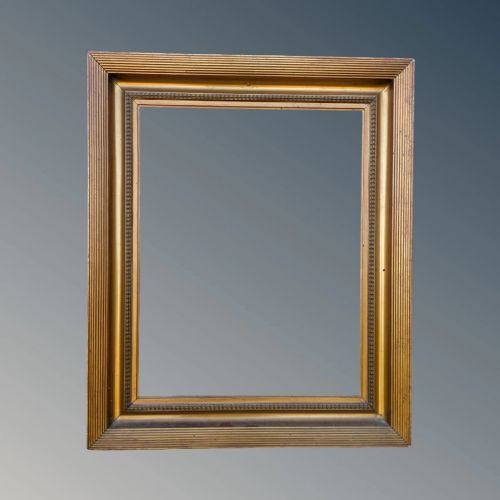
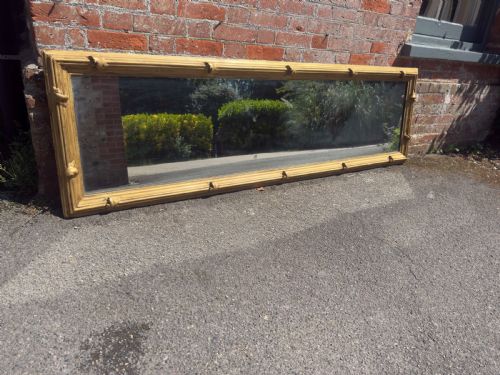
When you search for a reeded wood frame, you encounter a variety of furnishings spanning the Regency, Victorian, and Edwardian eras. The selection comprises wall mirrors, picture frames, beds, dressing table mirrors, armchairs, sofas and settees, and stools.
The most common forms on this page are pier mirrors and wall mirrors, alongside occasional seating and larger items like four poster beds. These pieces originate from English and French workshops, utilising woods such as mahogany and oak alongside gilded finishes.
Materials and construction
These items are constructed from solid timbers like mahogany and oak, frequently finished with gesso and gold leaf to create gilded surfaces. Artisans shaped the wood with parallel rounded mouldings to form the distinctive linear pattern characteristic of the style.
Carved wooden elements are combined with mirror glass or upholstered components, depending on whether the object is a frame, a mirror, or a seat. The integration of simulated rosewood and inlaid details demonstrates the range of traditional cabinet-making techniques employed.
Reeded Wood Frame Retail Price Guide 2026
Typical asking prices for reeded wood frame among the pieces listed under this phrase on Sellingantiques today, from the lower quarter to the upper quarter. They describe what is for sale here now, not the wider market.
Even a dressing stool sometimes demands a grand mahogany frame, proving that Victorian feet rarely touched the bare floor.
Factors of quality
The distinction between standard examples and finer pieces lies in the crispness of the carved linear mouldings and the depth of the timber. Superior items display precise joinery and well-preserved gilding or original wood grain.
Attribution to notable cabinet-makers and the original integrity of surface finishes also elevate an item. Pieces retaining their primary glass, gesso, or upholstery demonstrate greater craftsmanship and historical preservation.
P & MA Nicholson·Waring & Gillow·Howard & Sons
The Reeded Wood Frame Glossary
- Reeded
- A decorative moulding formed of parallel convex strips resembling bundled reeds. This technique adds texture and linear emphasis to furniture borders and mirror surrounds.
- Gesso
- A plaster-like mixture applied to wood surfaces to prepare them for gilding or painting. It provides a smooth base that can be intricately moulded and carved.
- Pier mirror
- A tall mirror designed to hang on the wall between windows, often placed above a pier table. These items reflect natural light into period rooms.
- Cheval mirror
- A full-length dressing mirror suspended on a vertical frame with a pivoting mechanism. This allows the glass to tilt to various angles.
- Giltwood
- Timber that has been coated with a thin layer of gold leaf. It creates a luminous, reflective surface popular in classical interior decoration.
Reeded Wood Frame: Frequently Asked Questions
How do I clean a gilded frame?
Dust the surface gently with a soft, dry brush to remove particles without disturbing the finish. Avoid using liquid cleaners or abrasive cloths on the delicate gold leaf.
Keep gilded pieces away from direct sunlight and damp environments to preserve the underlying gesso and wood. Professional conservation is recommended for any deeper cleaning or repair.
Where should I hang a pier mirror?
Pier mirrors were traditionally hung on the narrow wall space between two windows to maximise light reflection in a room. They also work effectively above mantelpieces or console tables.
Ensure the wall fixings are secure and rated for the weight of the heavy wooden and glass structure. Position the mirror at a height that balances the surrounding furniture.
What is a cheval mirror used for?
A cheval mirror is a freestanding dressing glass that allows a person to view their entire outfit from head to toe. It functions as both a practical bedroom accessory and a decorative furnishing.
The pivoting frame enables adjustable viewing angles while standing on stable feet or sabre legs. These mirrors became prominent in Regency and Victorian dressing rooms.
How can I date a mahogany frame?
Examine the timber density, colour depth, and the style of the mouldings to determine the period of manufacture. Regency and Victorian pieces often feature specific joint construction and surface patination.
Look for tool marks or maker stamps on the reverse of the wood. Comparing the decorative motifs against known historical styles helps narrow down the decade.