

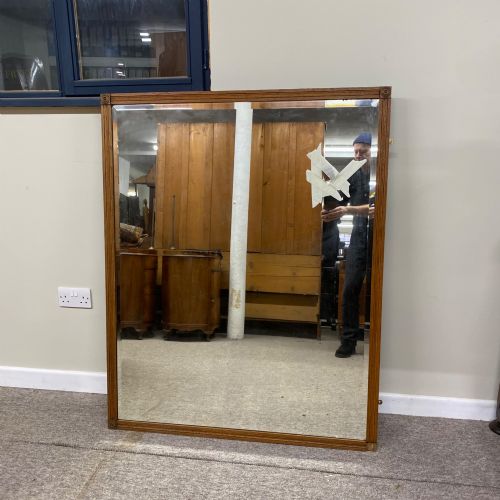
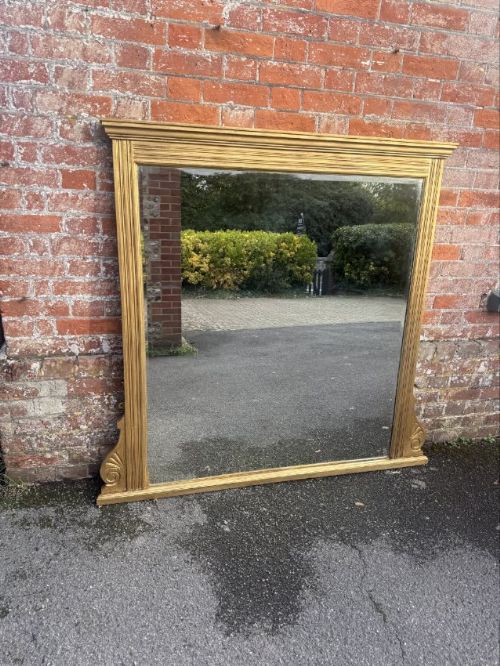
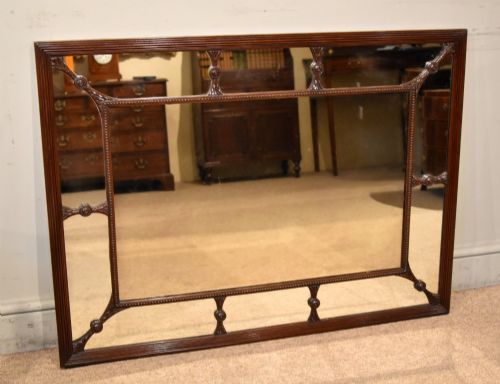
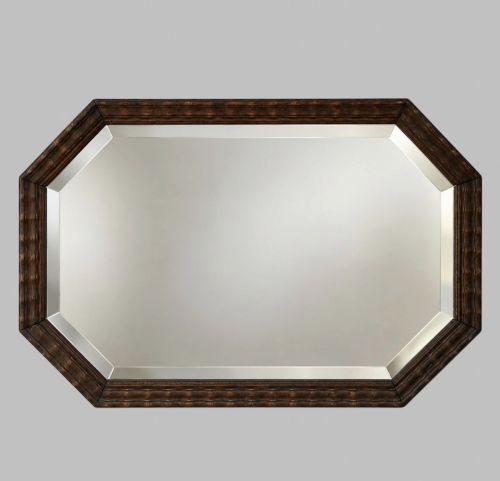




Reeded Mirror
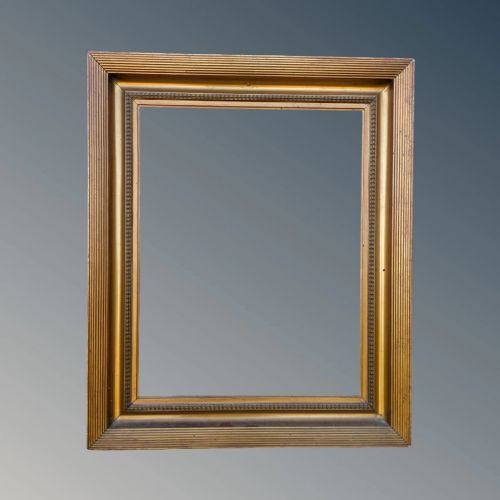
A reeded mirror brings linear precision to a room, offering architectural framing in mahogany, giltwood and gesso across several centuries of design.
Reeded Mirror
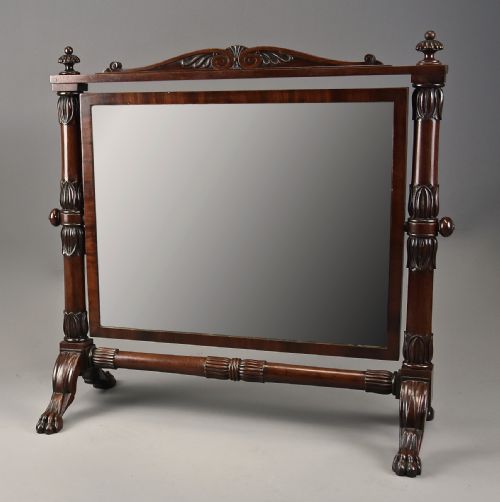
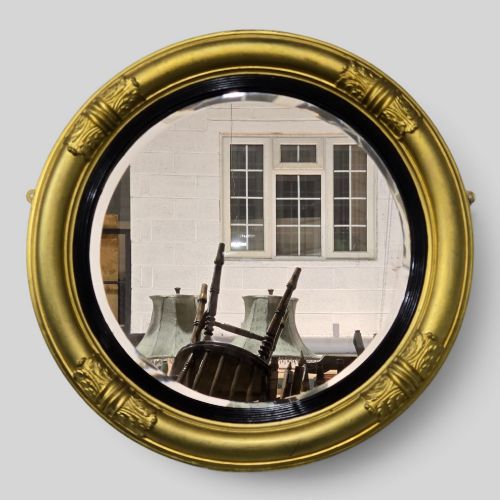
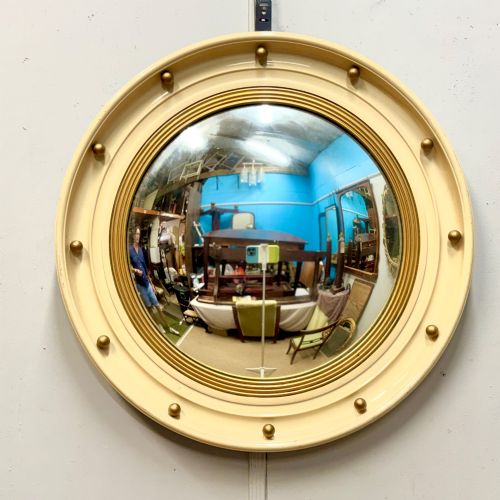
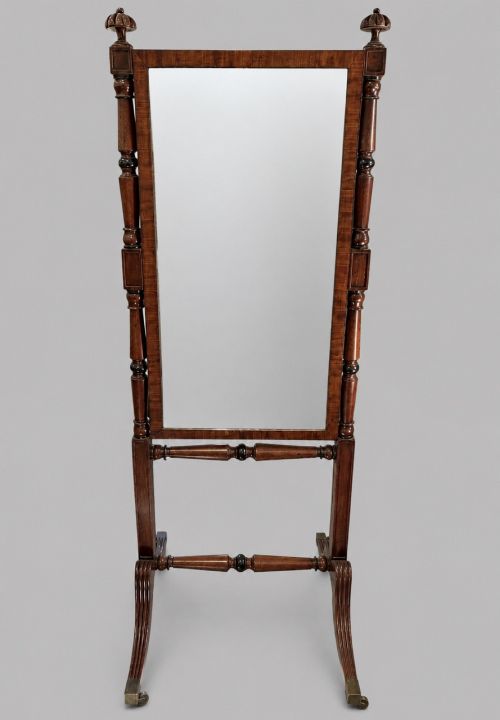
A reeded mirror provides a structured, fluted border that catches the light through parallel mouldings. When searching for a reeded mirror, buyers encounter various forms ranging from compact pier glasses to large overmantel and cheval mirrors.
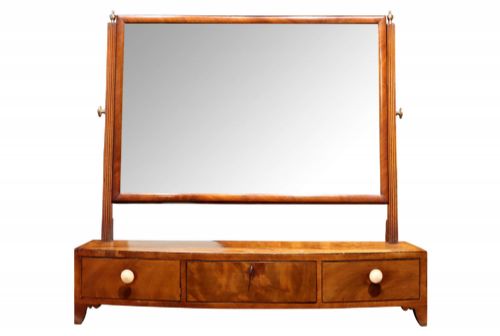
The pieces on this page span the Regency, Victorian and Edwardian periods, alongside early twentieth century interpretations. Mahogany and giltwood dominate the selection, appearing in formats designed for walls, dressing tables and floors.
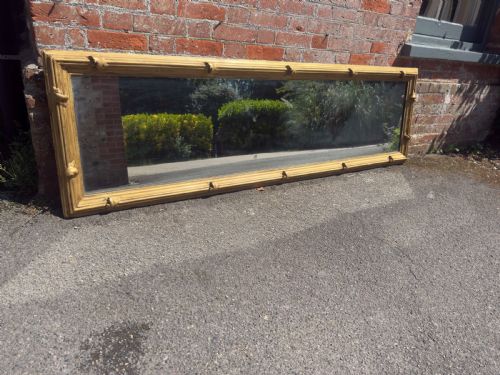
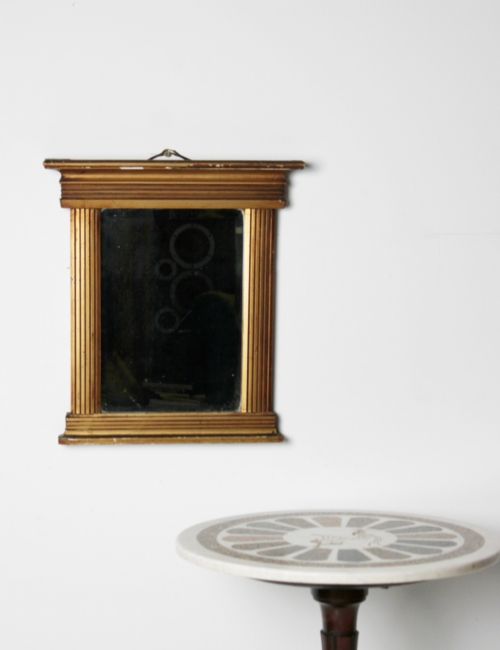
Wall mirrors and overmantel pieces outnumber freestanding cheval mirrors in this collection. These items draw on Regency, Neoclassical and French design traditions to create formal focal points within domestic interiors.
Assessing craftsmanship and finish
Quality rests in the crispness of the reeded moulding and the depth of the gilding. Superior examples display sharp, hand-cut fluting that maintains consistent spacing along the entire length of the frame.
The choice of primary timber dictates the heft and character of the piece, with dense Cuban mahogany standing apart from softer painted woods. Original mirror plates with appropriate foxing and silvering preservation elevate the standing of antique examples.
Reeded Mirror Retail Price Guide 2026
Typical asking prices for reeded mirror among the pieces listed under this phrase on Sellingantiques today, from the lower quarter to the upper quarter. They describe what is for sale here now, not the wider market.
At least one nineteenth century ebonised overmantel keeps watch with a carved wooden greyhound peering out from the frame.
Waring & Gillow·P & MA Nicholson·Gillows
The Reeded Mirror Glossary
- Reeding
- Parallel convex mouldings that resemble bundled plant stems. This decorative carving creates repetitive vertical or horizontal lines along a frame.
- Pier mirror
- A tall glass designed to hang on the narrow wall space between windows. These pieces often feature gilded gesso or mahogany construction.
- Cheval mirror
- A freestanding full length dressing mirror mounted on a pivoting frame. The glass swings between vertical uprights supported by feet.
- Gesso
- A plaster mixture applied to wood frames as a base for gilding. Artisans carved intricate details into this layer before applying gold leaf.
- Overmantel mirror
- A wide glass created to hang directly above a fireplace mantel. These frames frequently incorporate multiple plates or architectural cornices.
Reeded Mirror: Frequently Asked Questions
Where should I hang a reeded mirror?
These mirrors suit placement above a fireplace mantel, in an entrance hall or within a bedroom. Wall hung pier glasses work effectively between windows to bounce natural light across the room.
Freestanding cheval mirrors require floor space in dressing areas where full length reflection is necessary. The linear frame style complements both formal period rooms and contemporary interiors.
How do I identify a Regency reeded mirror?
Regency pieces often display classical Neoclassical motifs alongside ebonised details, gilded accents or Cuban mahogany construction. The proportions tend to follow strict architectural rules established in the early nineteenth century.
Look for hand-carved reeding rather than machine-moulded composition where possible. Makers of this era frequently incorporated convex plates or stepped cornices into wall and pier mirrors.
What is the difference between a pier mirror and an overmantel mirror?
A pier mirror is typically tall and narrow, designed to occupy the wall space between two architectural openings. An overmantel mirror is wider than it is tall, built to span the horizontal expanse above a fireplace.
Both forms utilise reeded frames to organise their visual weight, but their proportions serve entirely different wall dimensions.
How should I clean an antique mirror frame?
Dust giltwood and mahogany frames gently with a soft, dry brush to prevent damage to delicate gesso and gold leaf surfaces. Avoid commercial liquid cleaners on antique wood and composition ornaments.
Glass plates tolerate standard glass cleaner applied sparingly to a cloth rather than sprayed directly onto the surface, ensuring liquid does not seep behind the rebate.