

Red Wool Hanging
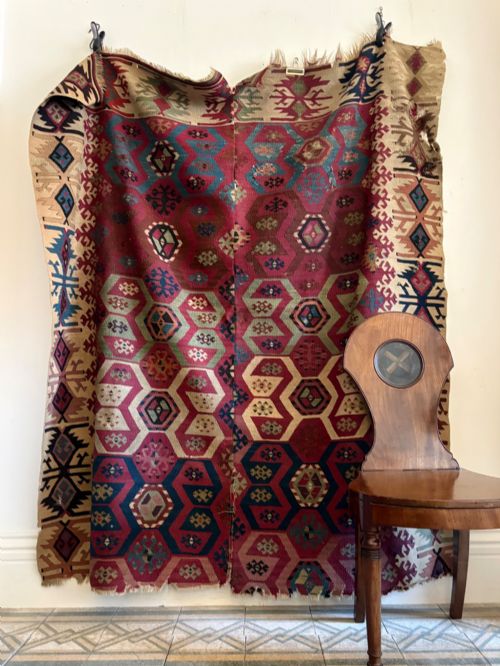
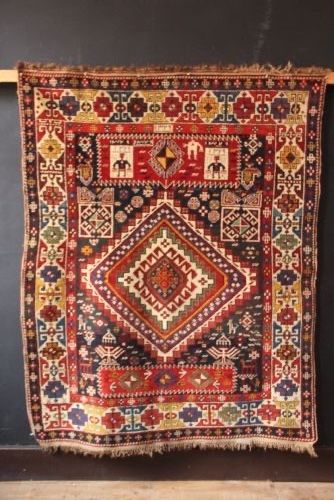
When a red wool hanging catches the eye, it brings the tactile warmth of tribal textiles and woven rugs into a room.
Red Wool Hanging
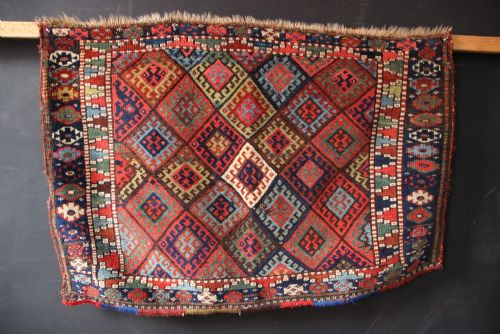
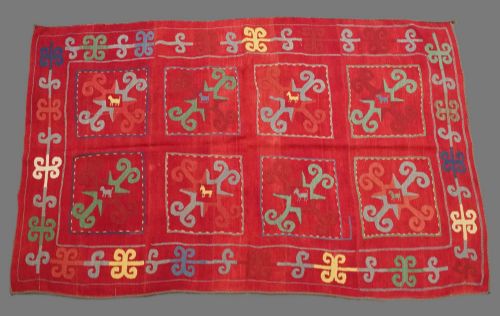
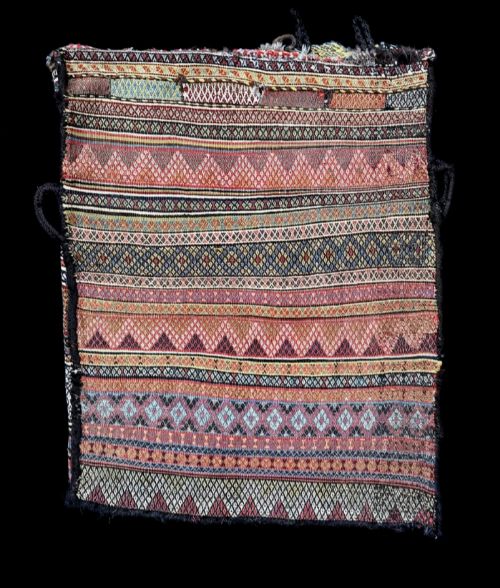
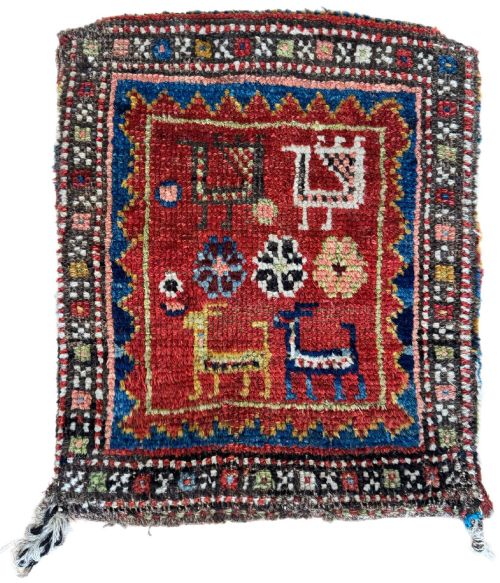
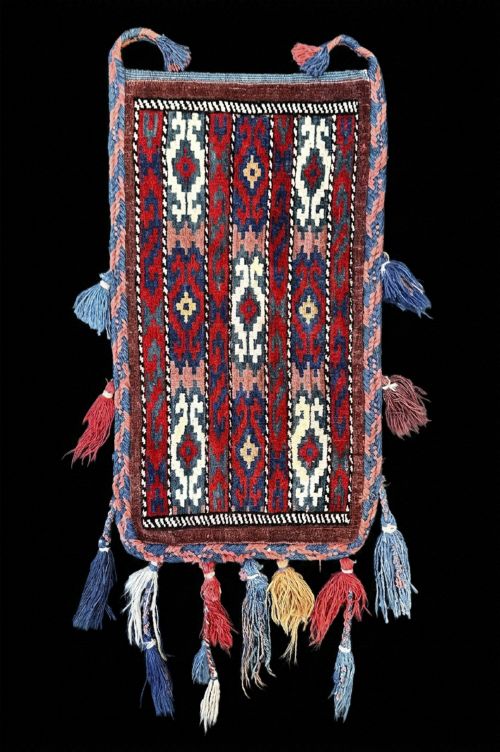
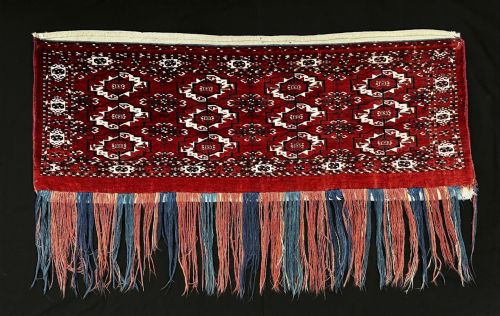
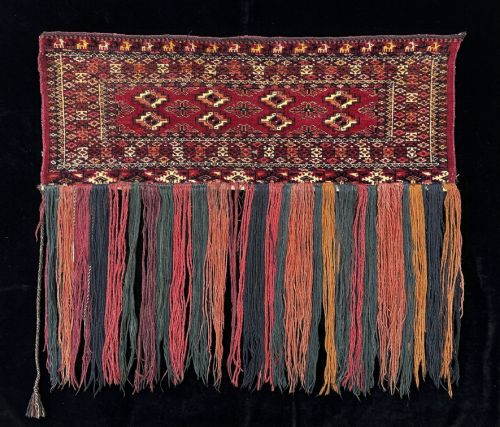
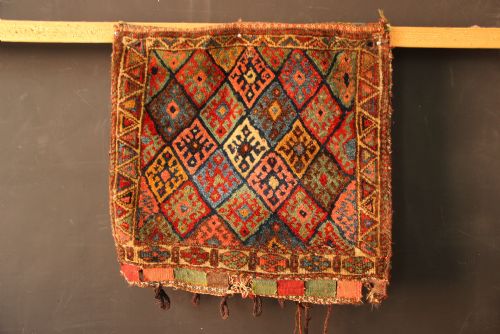
A red wool hanging encompasses a diverse range of nomadic and tribal textiles, including wall hangings, dowry embroideries, horse covers, and repurposed bags.
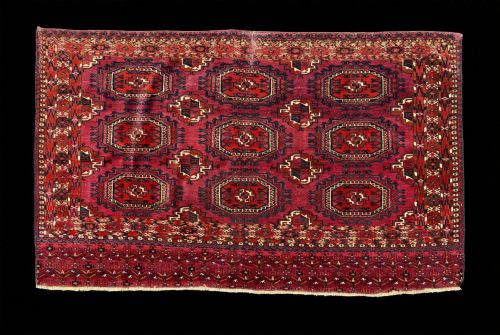
Buyers exploring this category most frequently encounter Central Asian and Persian tribal works originating from the nineteenth and early twentieth centuries.
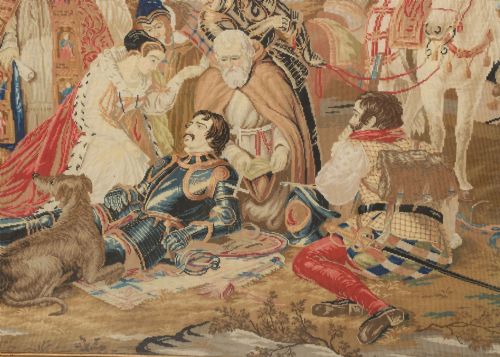
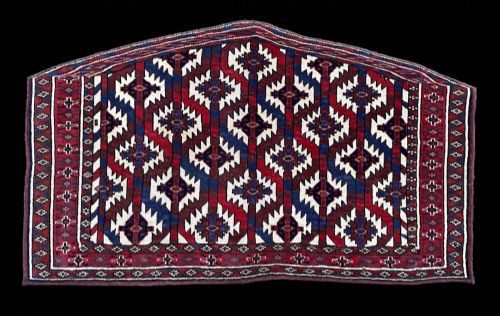
The selection ranges from Yomut Turkmen ceremonial felts and Uzbek Lakai embroideries to Qashqai animal trappings and Flemish tapestry fragments.
Materials and Construction
These textiles rely predominantly on wool, hand-spun wool, and felted wool, frequently enhanced with natural dyes and supplemented by cotton and silk thread elements.
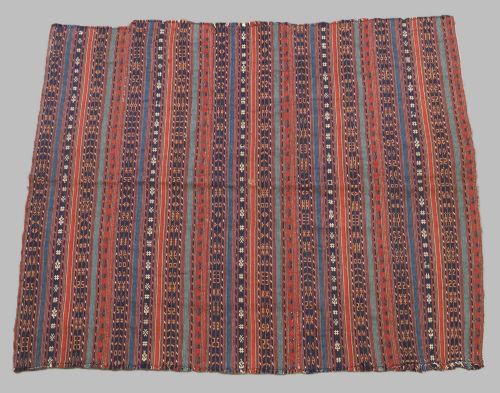
Nomadic makers combined flat-weaving, pile knotting, and dense surface embroidery to build durable structures designed for daily tribal use or ceremonial display.
Red Wool Hanging Retail Price Guide 2026
Typical asking prices for red wool hanging among the pieces listed under this phrase on Sellingantiques today, from the lower quarter to the upper quarter. They describe what is for sale here now, not the wider market.
Nomadic weavers packed these textiles onto horses and camels, turning utilitarian saddle bags into portable masterpieces.
Factors of Quality
Quality rests upon the fineness of the hand-spun wool, the vibrancy and saturation achieved through natural dyes, and the tightness of the weave or embroidery.
Pieces showing exceptional execution feature balanced composition, intricate tribal motifs, and well-preserved structural integrity across the textile surface.
The Red Wool Hanging Glossary
- Ilgich
- An Uzbek dowry embroidery created specifically for wall hanging.
- Asmalyk
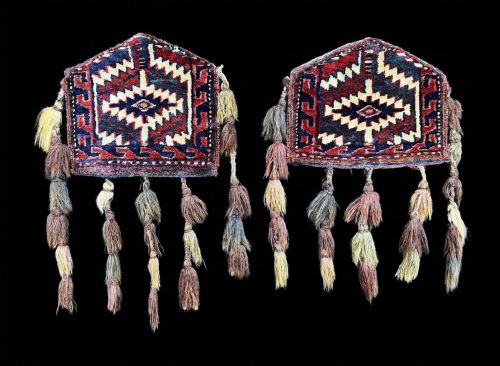
- A Turkmen pentagonal trapping historically mounted on the flanks of a bridal camel.
- Torba
- A small Turkmen storage bag woven with a face design for tent use.
- Sofreh
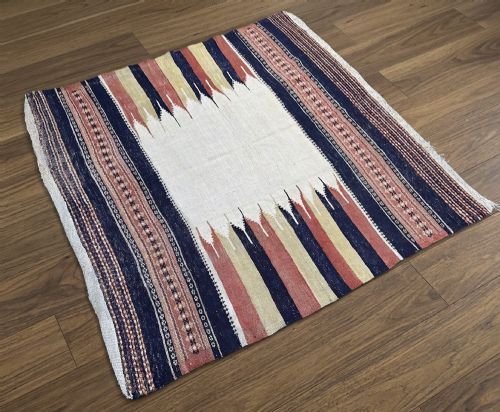
- A flat-woven spread used for kneading dough or serving communal meals.
- Mille-fleurs
- A background style composed of a multitude of small flowers seen in early European tapestries.
Red Wool Hanging: Frequently Asked Questions
What is a red wool hanging?
A red wool hanging is a textile piece created by nomadic or tribal groups, often functioning originally as a wall hanging, dowry embroidery, or animal trapping.
These works utilise wool and natural dyes to display distinct regional patterns associated with Central Asian and Persian weavers.
How were these textiles used?
Many of these objects served practical and ceremonial roles within nomadic households, decorating tents, saddles, or bridal processions.
Over time, items like storage bags and horse covers transitioned into decorative wall art valued for their rich texture and historic significance.
How do I care for antique wool hangings?
Protect antique wool textiles by keeping them out of direct sunlight to prevent natural dye fading and fibre degradation.
Mount them carefully to distribute weight evenly across the structure, and avoid hanging them in damp environments.
How can I tell tribal styles apart?
Different tribal groups utilised distinct motifs, colour palettes, and structural techniques rooted in their specific geographic origins across Persia and Central Asia.
Studying the repeat patterns, border structures, and embroidery styles helps attribute a piece to makers such as the Yomut, Lakai, or Qashqai.