

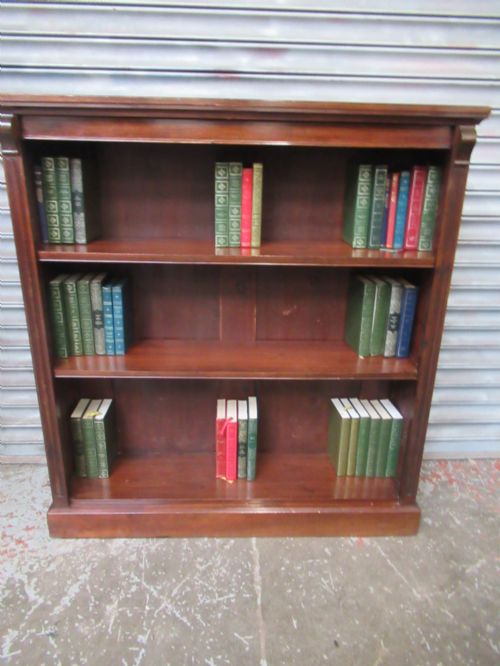

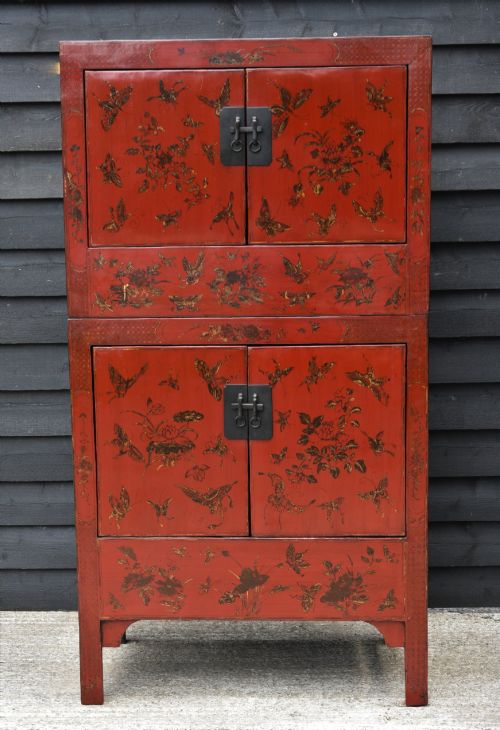
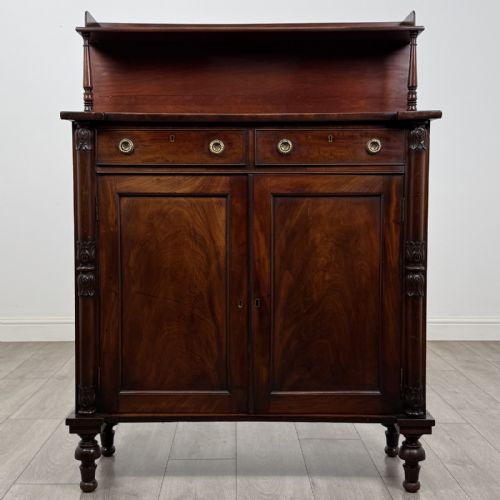
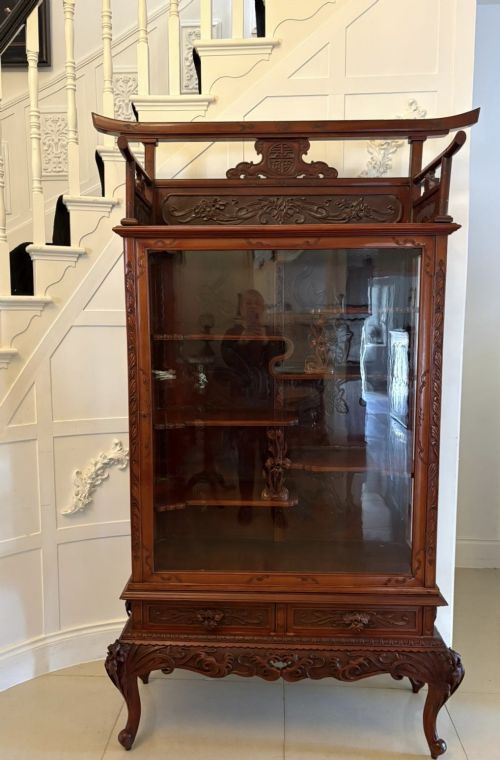


Red Wooden Cabinet
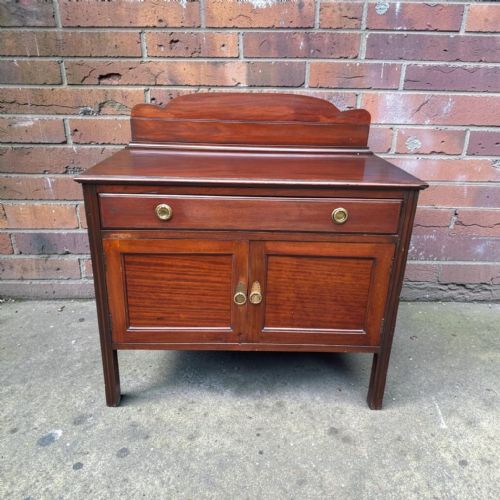
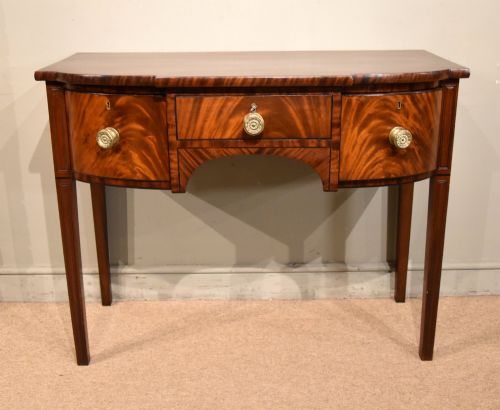
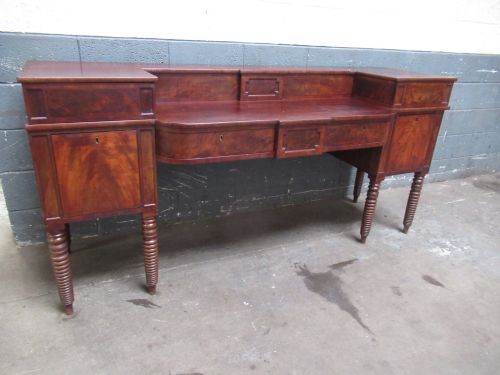
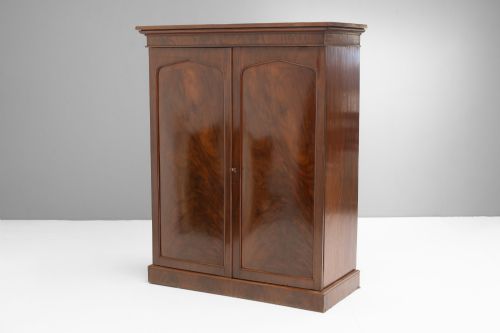
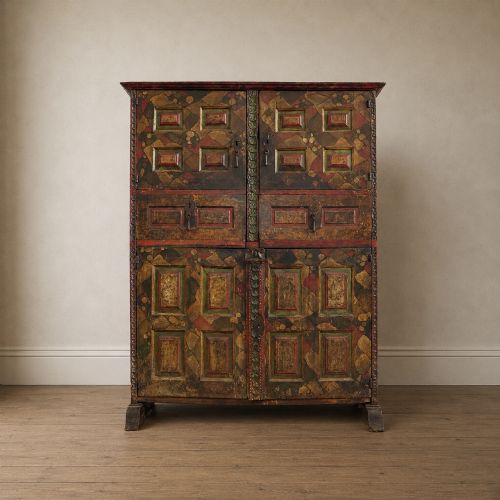
A red wooden cabinet brings vivid colour and practical storage into a room, spanning painted finishes and rich lacquers.
Red Wooden Cabinet
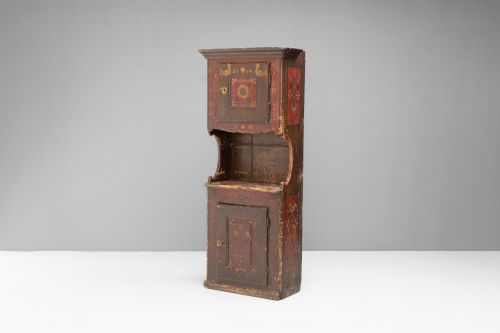
A red wooden cabinet encompasses a range of storage forms, from painted pine cupboards to lacquered Chinese marriage chests and Japanese tansu pieces. Buyers searching for this phrase encounter vibrant pieces originating from European folk traditions as well as Asian workshops, spanning several centuries.
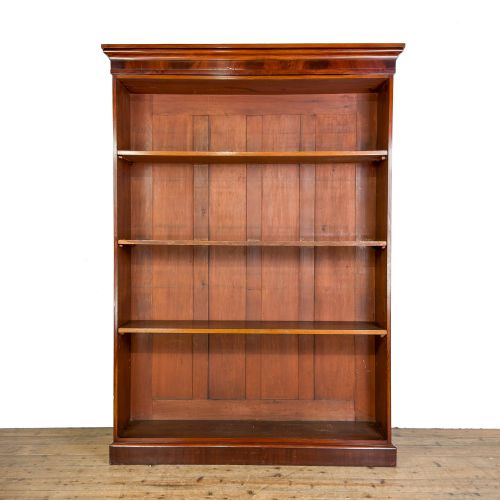
The selection on this page leans heavily towards painted pine, hardwood, and lacquer over timber bases, often taking the form of side cabinets, cupboards, or display furniture. These items serve as functional storage while introducing strong decorative character through their distinct red surfaces.
How they were made
Construction relies on traditional timber framing, utilising woods such as mahogany, pine, and cedar, sometimes enhanced with flame mahogany veneer or fruitwood. Joinery methods vary by region, incorporating pegged joints in European cupboards and specialised hardware in Japanese tansu storage.
Surfaces receive decorative treatments including hand-applied polychrome paint, floral decoration, and layered red lacquer. These finishes are built up over wooden substrates, protecting the material while delivering the bold coloration defining this group.
Red Wooden Cabinet Retail Price Guide 2026
Typical asking prices for red wooden cabinet among the pieces listed under this phrase on Sellingantiques today, from the lower quarter to the upper quarter. They describe what is for sale here now, not the wider market.
Listings feature items spanning from the 17th century to the Edwardian period, utilising mahogany, pine, lacquer, and iron.
What varies in quality
Quality reveals itself in the depth and preservation of the red surface, whether through the fine ageing of traditional lacquer or the genuine patina on early painted pine. Pieces with original, undisturbed decorative schemes hold greater visual integrity than those with later repainting.
Structural execution distinguishes finer cabinet work, seen in the precision of the joinery, the weight of the timber, and the retention of original brass or iron hardware. The harmony between the internal storage layout and the exterior finish dictates the standing of each piece.
The Red Wooden Cabinet Glossary
- Lacquer
- A durable finish made from natural resin applied in multiple layers to a wooden base. It produces a smooth, glossy red surface found on many Asian cabinets.
- Polychrome
- Painted in several colours. This decorative technique appears on European folk art cupboards and house altar pieces.
- Tansu
- Traditional Japanese mobile storage cabinetry typically constructed from woods like cedar or kiri. These units often feature distinct metal mounts and drawer configurations.
- Chiffonier
- A compact sideboard or small cabinet developed in the 19th century. It frequently includes shelving or a raised back above a cupboard base.
- Veneer
- A thin layer of superior wood adhered to a secondary timber base. Flame mahogany veneer provides a figured pattern across drawer fronts and cabinet doors.
Red Wooden Cabinet: Frequently Asked Questions
Where should I place a red wooden cabinet?
These cabinets suit living rooms, hallways, or dining areas where their striking colour can serve as a focal point.
Ensure the dimensions match your wall space, keeping them away from direct heat sources to protect painted or lacquered surfaces.
How do I clean a lacquered cabinet?
Dust the surface regularly with a soft, dry cloth to prevent particulate buildup on the delicate finish.
Avoid chemical cleaning products and excessive moisture, which can damage traditional lacquer or painted decoration over time.
What is a tansu chest?
Tansu refers to traditional Japanese storage chests built for specific domestic uses, such as clothing or document storage.
They frequently employ woods like cedar and feature iron hardware, bringing a distinct utilitarian aesthetic to interiors.
How can I tell if the paint is original?
Original painted surfaces show natural wear patterns, craquelure, and consistent ageing beneath the pigment layers.
Examining the underlying wood through gaps or interior surfaces helps confirm the age of the piece relative to its exterior finish.