
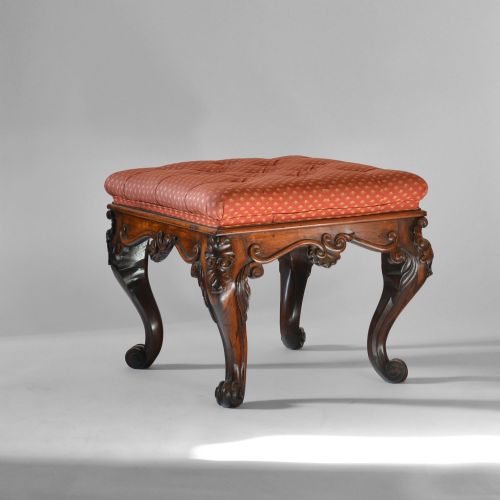
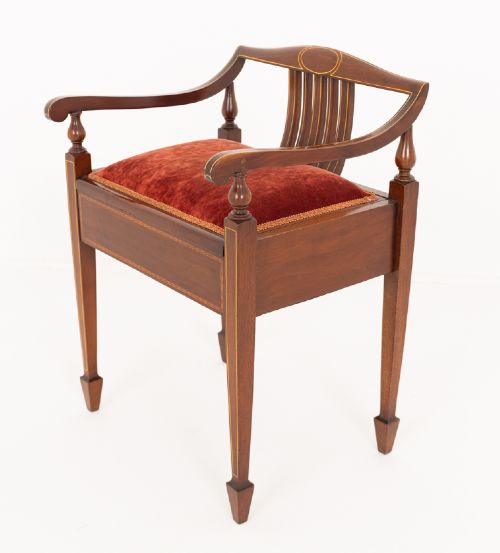
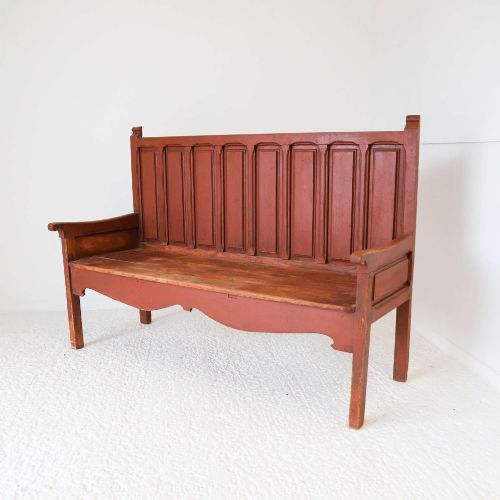
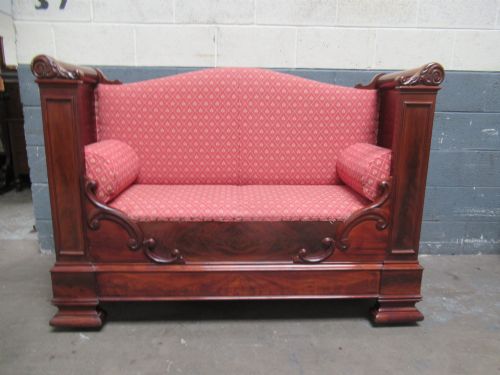


Red Wooden Bench Seat
These red wooden bench seat examples provide enduring utility and character, combining robust timber construction with striking painted or upholstered finishes.
Red Wooden Bench Seat
A red wooden bench seat encompasses various forms such as settles, window seats, and hall benches originating from the 18th century, 19th century, and around 1900. These pieces function as versatile seating options that bring warmth and historical depth to an interior.
Buyers will encounter regional variations including Spanish painted settles, Swedish painted pine benches, and Austrian settles alongside mahogany and oak examples. The selection ranges from rustic country pieces to formal Victorian and Edwardian seating.
Makers and craftsmen utilised diverse stylistic influences spanning Gothic Revival, Empire style, Sheraton Revival, and Scandinavian Country. Each variant offers a distinct silhouette while maintaining the core utility of a wooden bench seat.
How they were made
Carpenters constructed these seats using primary timbers like mahogany, pine, oak, and rosewood, often enhanced with brass hardware. Structural joinery depended on traditional hand-working methods to ensure longevity across centuries of use.
Surfaces frequently received layers of paint, particularly in Swedish, Spanish, and Austrian traditions, whilst others displayed polished mahogany or carved oak. Upholstered versions incorporated fabrics like velvet to provide cushioned comfort on seats and stools.
Listings feature pieces constructed from mahogany, pine, oak, and rosewood, spanning the 18th century through to the Edwardian era.
What varies in quality
The distinction between ordinary and superior examples lies in the integrity of the timber framing and the preservation of original painted surfaces. Finely carved details on mahogany and oak elements indicate a higher tier of craftsmanship.
Proportion and structural balance separate standard utility pieces from exceptional decorative seating. The retention of early upholstery materials and authentic patination elevate the standing of a bench within its period.
The Red Wooden Bench Seat Glossary
- Settle
- A wooden bench with a high back, solid arms, and often a storage compartment beneath the seat. This form protected occupants from drafts in older interiors.
- Empire Style
- A neoclassical design movement prevalent in the 19th century characterised by robust forms and classical motifs. Pieces in this style often incorporate heavy mahogany or gilt details.
- Sheraton Revival
- A late 19th-century design movement inspired by 18th-century neoclassical furniture maker Thomas Sheraton. It favours lighter proportions, mahogany, and refined inlay work.
- Gothic Revival
- An architectural and decorative style drawing on medieval forms, featuring pointed arches and heavy carved oak. This aesthetic produced dramatic window seats and hall benches.
- X Frame Stool
- A folding or rigid stool supported by intersecting diagonal legs forming an X shape. Examples range from classical forms to ornate Victorian variants with upholstery.
Red Wooden Bench Seat: Frequently Asked Questions
Where should I place a wooden bench seat?
These pieces suit entrance halls, bedrooms at the foot of a bed, or living spaces where extra seating is required. Their substantial timber frames provide both a visual anchor and practical utility.
Consider the scale of the room and the height of surrounding furniture before positioning a settle or long bench against a wall.
How do I identify the period of a bench?
Examination of the timber, joinery techniques, and surface finish reveals clues regarding age. 18th-century examples often exhibit hand-carved details and distinct patination, while 19th-century pieces reflect Victorian or regional country aesthetics.
Comparing the specific styling, such as Sheraton Revival or Gothic Revival motifs, helps narrow down the decade of production.
Are painted finishes on these benches original?
Many regional pieces from Sweden, Spain, and Austria feature historic painted surfaces that show natural wear over time. Inspecting the layers of pigment helps determine whether the finish dates to the manufacture of the piece.
Original paint displays craquelure and softening edges that distinguish it from modern decorative overpainting.
How do I care for antique wooden seating?
Maintain the timber by keeping the piece away from direct heat sources and sudden humidity changes. Regular dusting with a soft cloth preserves the natural finish of mahogany, oak, and pine.
Avoid harsh chemical cleaners that can strip historic wax polish or damage delicate painted surfaces on regional settles.