


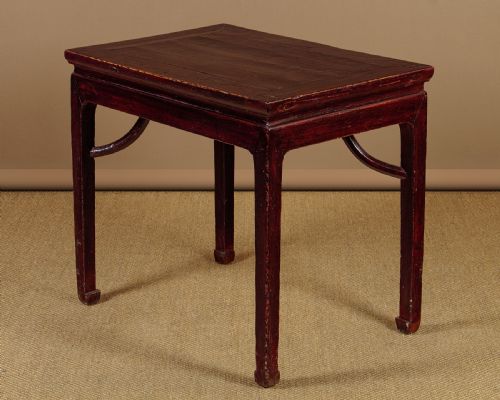

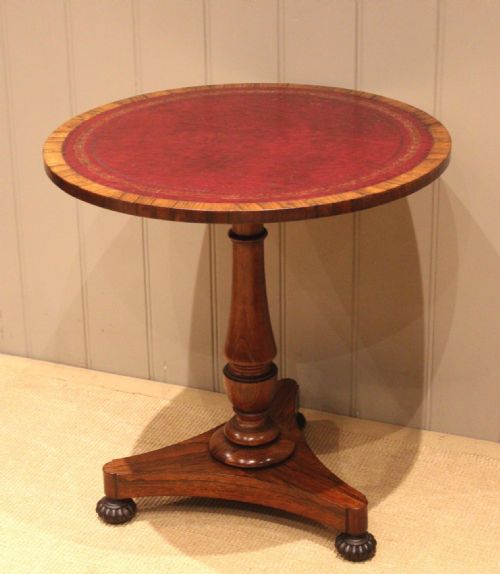


Red Wood Lamp Tables
These red wood lamp tables span centuries of craftsmanship, offering practical surfaces and rich tones to anchor a room.
Red Wood Lamp Tables
Red wood lamp tables encompass a varied selection of occasional furniture designed to hold illumination or sit beside seating. The pieces gathered here draw from periods ranging from the Georgian era through to the early twentieth century.
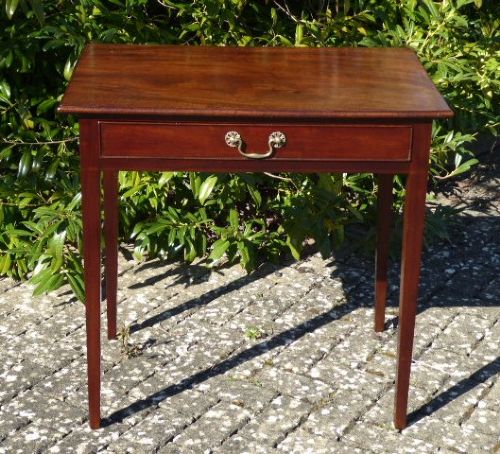
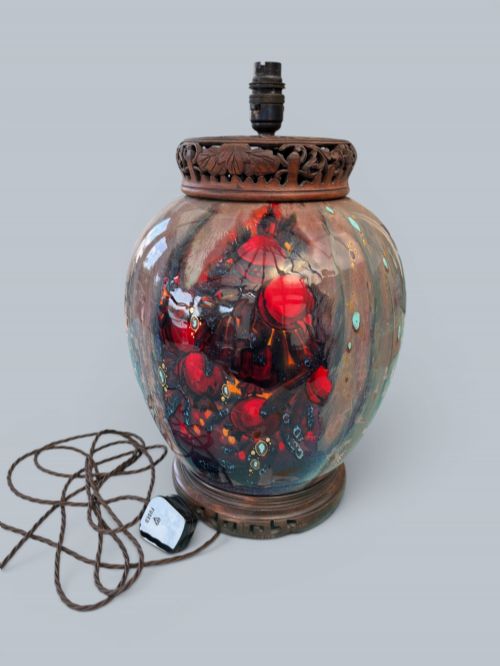
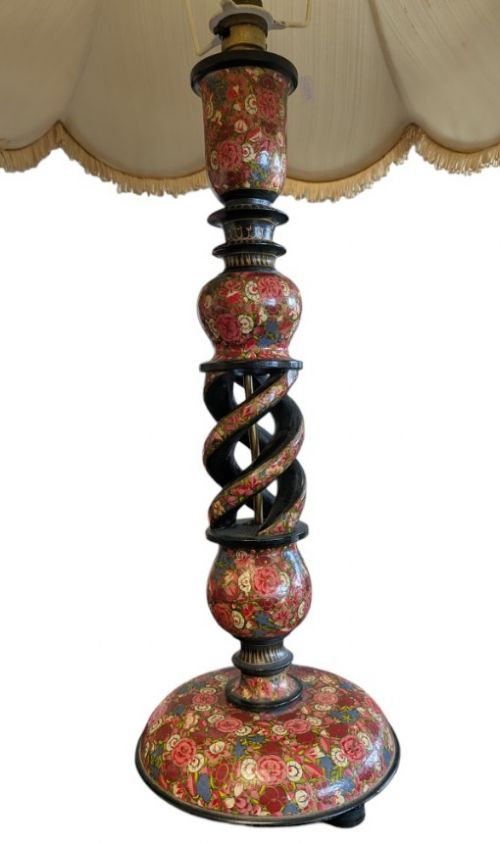
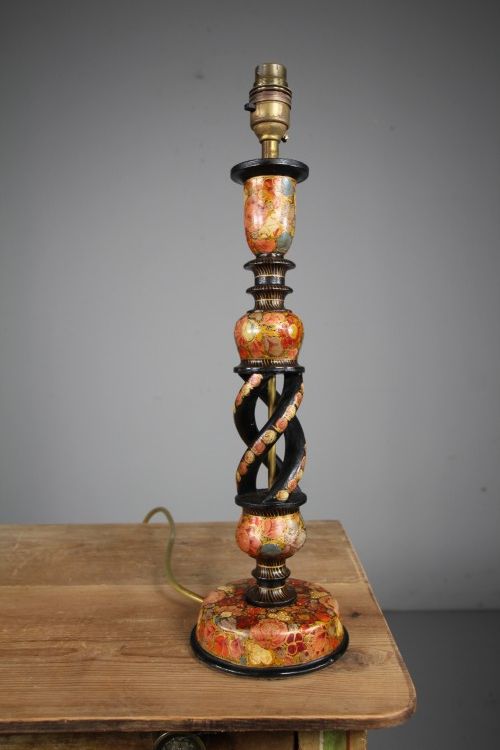
Buyers encountering this selection will find side tables, occasional tables, and table lamps constructed from dense timbers. Styles stretch from traditional English forms to Chinoiserie, Kashmiri, and Anglo-Indian designs.
The assortment includes solid mahogany and rosewood alongside painted, lacquered, and polychrome surfaces. Each piece brings a distinct regional character and functional history into a modern interior.
Materials and construction
Makers utilised dense timbers such as mahogany, rosewood, elm, and rootwood to build sturdy table bases and lamp bodies. These woods were frequently selected for their capacity to take fine carving, turning, and joinery.
Surface decoration relies on traditional techniques including hand application of lacquer, polychrome paint, gilding, and brass hardware. Certain items incorporate fabric, gesso, or marble inserts to complement the timber framework.
Materials across these listings include mahogany, rosewood, brass, fabric, lacquer, paint, papier-mâché, and gesso.
Assessing quality
Quality rests upon the integrity of the timber selection and the precision of the joinery or carved detail. Pieces featuring deeply figured grain, well-preserved hand-applied lacquer, or intricate fretwork stand apart from simpler utilitarian builds.
The execution of decorative elements, from Chinoiserie motifs to turned bobbin legs, defines the tier of craftsmanship. Original surface patination and structural cohesion remain key indicators of superior manufacture.
The Red Wood Lamp Tables Glossary
- Chinoiserie
- European decorative style inspired by Chinese artistic traditions, typically featuring hand-painted motifs on lacquered surfaces. It frequently appears on cabinets and occasional tables from the early twentieth century.
- Mahogany
- A durable hardwood prized for its reddish-brown colour and stable grain, widely utilised in Georgian and later furniture. It accepts fine carving and polishes to a deep lustre.
- Rosewood
- A heavy, dense timber with distinct dark grain patterns, used for high-status tables during the Regency period. Its rich natural colour requires minimal stain to achieve depth.
- Lacquer
- A durable resin finish built up in multiple layers and polished, common in Asian and Anglo-Indian decorative pieces. It provides a glossy, protective surface with intense colour.
- Fretwork
- Openwork ornamentation carved or pierced from wood, seen in Amsterdam School and related decorative pieces. This technique adds delicate visual texture without compromising structural integrity.
Red Wood Lamp Tables: Frequently Asked Questions
What periods do these tables represent?
The selection covers items originating from the Georgian era, the Regency period, and the nineteenth and early twentieth centuries.
This breadth allows buyers to choose between formal classical proportions and more eclectic revival styles.
How do I care for a wood lamp table?
Maintain the timber by keeping pieces away from direct heat sources and sudden humidity changes. Regular dusting with a soft, dry cloth preserves the finish without requiring heavy polishes.
Wax can be applied sparingly to unfinished or traditional wood surfaces to maintain moisture and sheen.
Are these lamps rewired?
Certain lighting pieces arrive updated with modern wiring to meet contemporary safety standards while retaining their historic aesthetic.
Buyers should inspect individual listings for specific details regarding electrical components and lamp fittings.
What is the difference between side and occasional tables?
Side tables typically serve a dedicated functional purpose beside seating or against walls, often featuring drawers or specific cabinet storage.
Occasional tables are generally lighter, more moveable pieces intended to be brought into use as needed within a room.