



Red White Imari Bowl
A red white imari bowl brings together contrasting palettes and rich ceramic traditions, offering a striking display piece for any collector.
Red White Imari Bowl
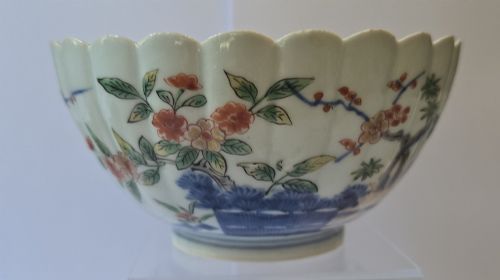
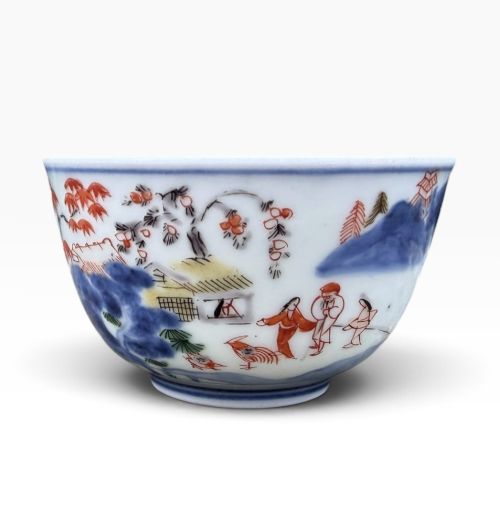
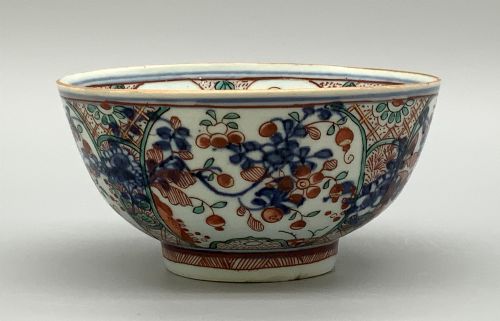
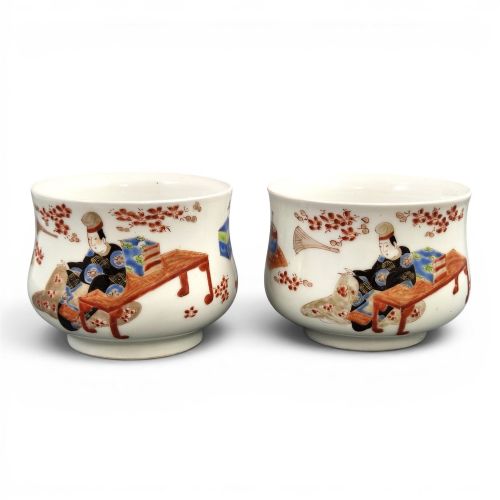
A red white imari bowl embodies the striking aesthetic found across Japanese and Chinese export wares, featuring distinct decorative schemes shaped by centuries of ceramic trade. When exploring this group, buyers frequently encounter decorative bowls and jardinieres originating from the Edo, Meiji, and Chinese Kangxi periods.
The selections span from early pieces around 1700 through to the late nineteenth and early twentieth centuries, capturing shifts in porcelain design. Alongside standard bowls, related forms such as tea cups, broth cups, and tripod bowls occasionally appear within the broader category.
Materials and Construction
These vessels rely on hard-paste porcelain shaped and fired at high temperatures to create a durable, vitreous body. Artisans then applied detailed hand-painted designs using iron-red and cobalt blue enamel pigments.
Many examples incorporate delicate gold leaf or gilt highlights over the glaze to accentuate specific motifs. Metal mounts or specialised tripod structures also support certain forms, adding both height and functional stability.
Red White Imari Bowl Retail Price Guide 2026
Typical asking prices for red white imari bowl among the pieces listed under this phrase on Sellingantiques today, from the lower quarter to the upper quarter. They describe what is for sale here now, not the wider market.
A few bowls stand upon tiny tripod feet, perhaps to elevate their snacks above the fray.
Judging Quality
The distinction between average and exceptional pieces rests upon the precision and complexity of the hand-painted brushwork. Superior examples display crisp cobalt tones and vibrant enamels that align harmoniously with the underlying porcelain contours.
Form and finish also dictate overall calibre, particularly in pieces featuring scalloped edges or intricate gilding. Finer vessels maintain uniformity in the glaze and structural balance across both interior and exterior surfaces.
Ginshōte Gyokushi·Richard Ginori
The Red White Imari Bowl Glossary
- Imari
- A style of Japanese porcelain originally exported from the port of Imari, typically characterised by a palette of underglaze blue, iron-red, and gold. This decorative approach spread to Chinese export workshops and European kilns during the seventeenth and eighteenth centuries.
- Kangxi Period
- A significant era of Chinese history spanning from 1662 to 1722, noted for technical excellence in porcelain production. Wares from this time often exhibit exceptional clarity in both body and pigment.
- Meiji Period
- An era of Japanese history lasting from 1868 to 1912, marked by increased international trade and fine hand-painted decorative arts. Pieces from this period demonstrate refined skill in traditional motifs.
- Jardiniere
- An ornamental ceramic pot or bowl designed to hold plants or flowers. These vessels often feature substantial proportions and robust bases to support botanical displays.
- Glaze
- A vitreous substance fused to the surface of a ceramic body through firing to provide a smooth, impermeable coating. It protects the underlying porcelain and enhances the brilliance of the painted decoration.
Red White Imari Bowl: Frequently Asked Questions
How do I identify an 18th-century imari bowl?
Examination of the paste, weight, and pigment characteristics helps determine the manufacturing era. Eighteenth-century pieces often display hand-mixed mineral pigments and distinct potting traits unique to early Japanese and Chinese kilns.
Comparison with documented examples from the Edo or Kangxi periods further clarifies the historical context of the ceramic body.
Where were imari bowls made?
The primary production centre was Arita in Japan, where pieces were fired before being shipped through the port of Imari for export. Similar decorative styles were subsequently adopted by Chinese export kilns and European factories.
Geographic attribution usually relies on studying the specific clay body, footring construction, and enamel application techniques.
Are these bowls suitable for daily use?
Most antique porcelain bowls are valued primarily as decorative objects or display pieces rather than for everyday dining. The delicate nature of historic enamels and gold leaf requires careful handling to preserve the surface.
Gentle cleaning with soft cloths without harsh detergents helps maintain the integrity of the antique glaze over time.
What does Arita mean in relation to these bowls?
Arita is the Japanese town in Hizen province where porcelain production originated and flourished during the Edo period. Many wares commonly referred to by export port names were actually produced in the kilns surrounding this town.
Recognising this origin helps collectors understand the technical traditions behind the porcelain body and its glaze.