






Red Persian Bag
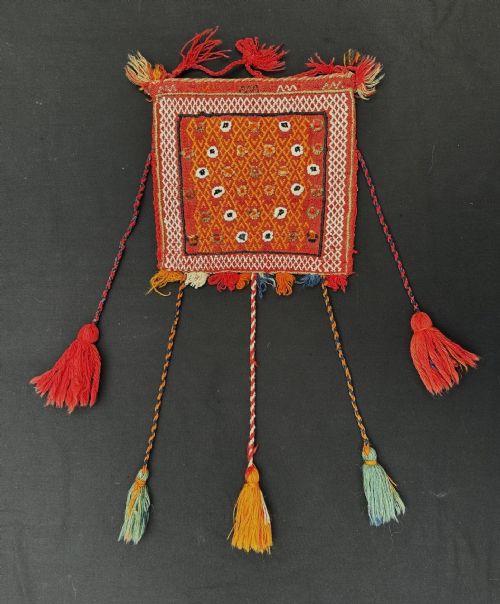
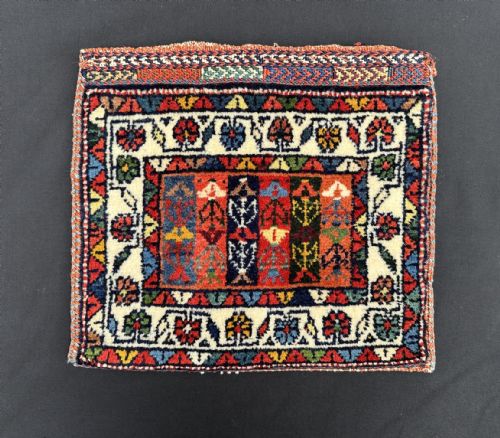
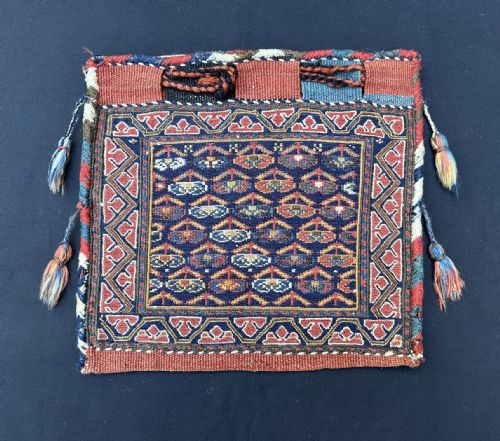
A red persian bag brings nomadic textile artistry into a room, offering tactile warmth and traditional tribal pattern.
Red Persian Bag
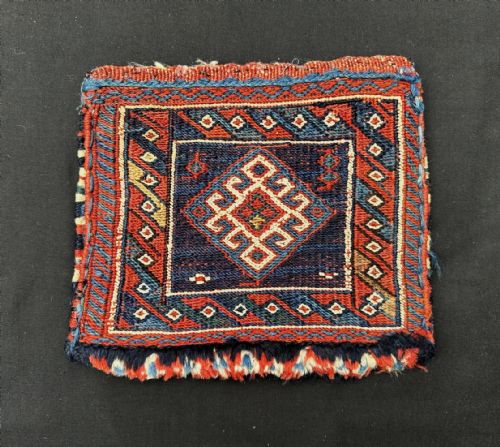
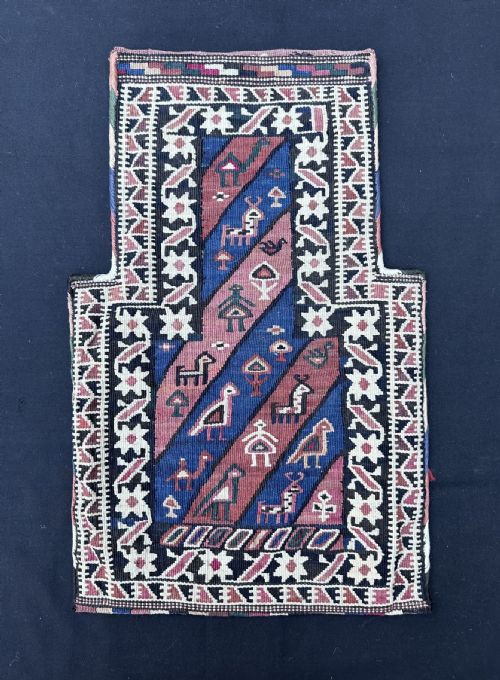
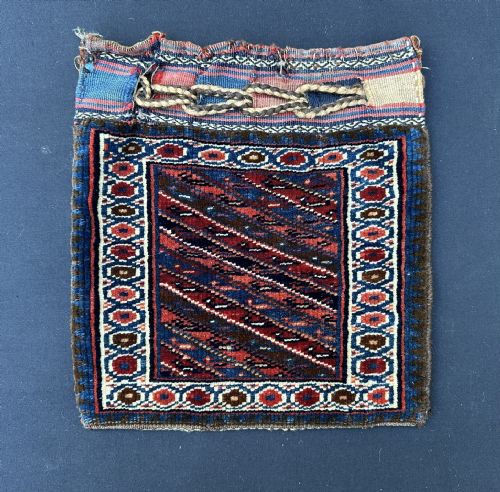
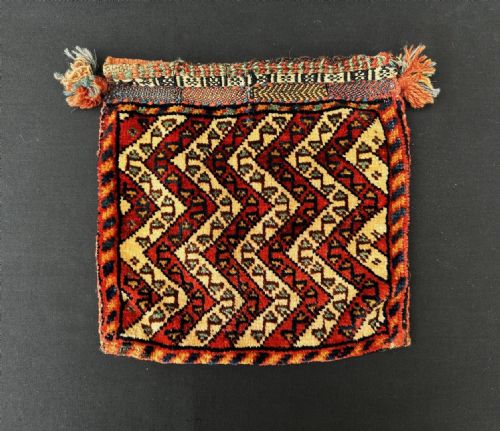
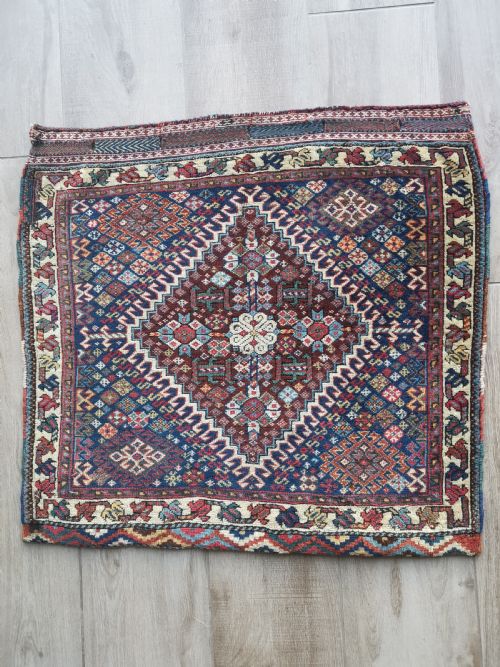
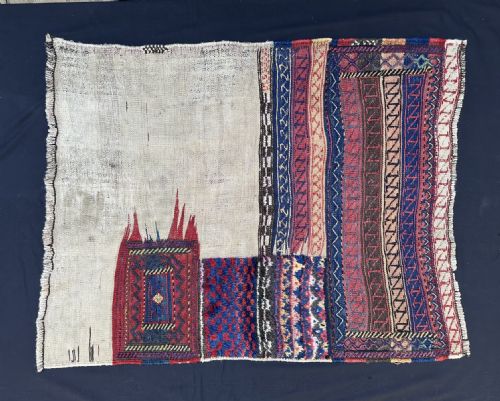
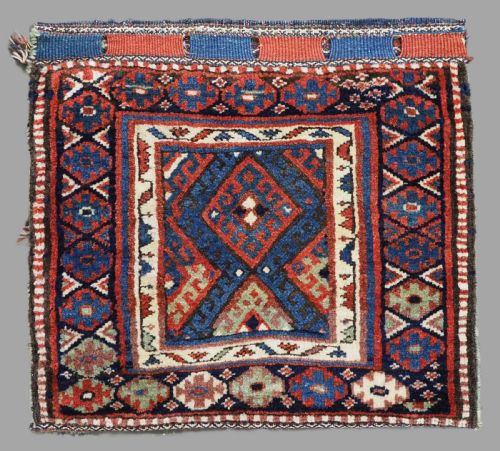
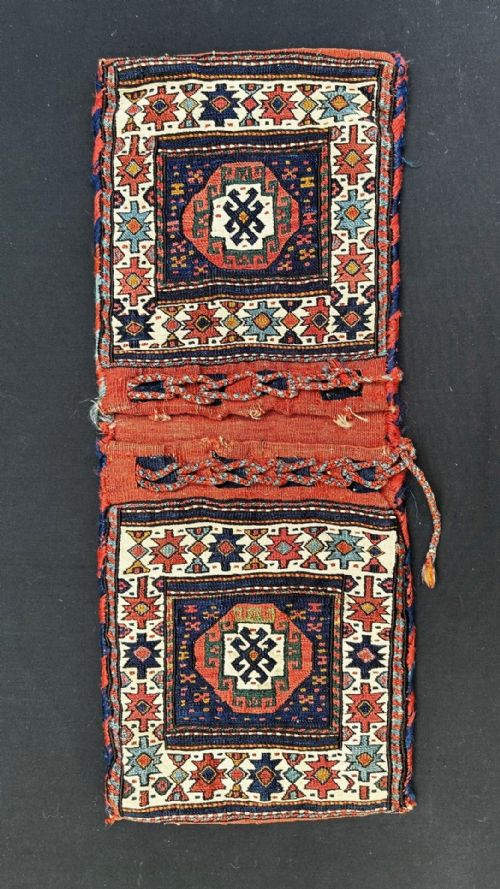
A red persian bag encompasses woven storage containers, saddlebags, vanity bags, and salt bags made by tribal and nomadic groups across Persia during the nineteenth and early twentieth centuries. These textiles served practical functions for transporting goods or storing personal items during seasonal migrations.
The selections available here range from complete saddlebags and half-khorjin to individual bag faces and grain sacks produced by confederacies such as the Qashqai, Afshar, Shahsavan, and various Kurdish and Baluch tribes. Buyers most frequently encounter flattened bag faces or smaller vanity bags repurposed as decorative cushions and wall hangings.
Every red persian bag reflects the specific regional aesthetics of its makers, spanning provinces from Fars and Kerman to Khorassan and Azerbaijan. The forms vary from utilitarian grain sacks to finely knotted storage pouches created for daily nomadic life.
How they were made
Weavers utilised hand-spun wool for the pile and foundation, often combining it with cotton warps and goat hair structural elements for added durability along edges and backs. Natural dyes sourced from plants and minerals provided the deep reds and contrasting tones characteristic of these tribal works.
Techniques varied from pile knotting to flat-woven sumac and plain weave structures, allowing makers to incorporate intricate geometric motifs, boteh designs, and tile patterns. Cowrie shells and leather additions occasionally reinforced or decorated specific utility bags.
Red Persian Bag Retail Price Guide 2026
Typical asking prices for red persian bag among the pieces listed under this phrase on Sellingantiques today, from the lower quarter to the upper quarter. They describe what is for sale here now, not the wider market.
Listings feature pieces spanning from the mid-nineteenth century through the 1920s, utilising hand-spun wool, cotton, and natural dyes.
What varies in quality
The fineness of the knotting and the tightness of the weave separate standard utilitarian pieces from exceptional tribal examples. Greater density in the wool pile allows complex geometric and figurative patterns to remain crisp and well-defined.
The purity and depth of the natural dyes influence the visual longevity of each piece. Skilled dyers achieved rich variations in red hues that mellow gracefully over time, while superior wool preparation preserves the tactile suppleness of the textile.
The Red Persian Bag Glossary
- Chanteh
- A small tribal vanity bag or personal container woven by nomadic women. These miniature pouches often featured intricate pile or flat-woven designs on the front face.
- Khorjin
- A traditional double saddlebag used for transport on animals during migrations. Surviving examples frequently appear separated into individual bag faces.
- Sumac
- A warp-wrapping flat-weave technique that produces a durable structure resembling embroidery. This method creates crisp diagonal lines without cutting wool threads.
- Boteh
- A stylised floral or almond-shaped motif commonly found in Persian tribal weaving. The shape represents a cypress tree bending under the wind.
- Tacheh
- A large woven wheat sack or storage bag produced by Lori and Bakhtiari nomads. These pieces utilised durable weaves to withstand heavy agricultural use.
Red Persian Bag: Frequently Asked Questions
How were these bags originally used?
Nomadic tribes utilised these woven containers for packing household goods, salt, grain, and personal possessions during seasonal migrations across Persia.
Larger double saddlebags draped over pack animals, while smaller vanity bags and salt pouches hung inside tents for daily storage.
How do I care for a textile bag face?
Protect antique wool textiles by keeping them away from direct sunlight and damp environments to preserve the natural dyes and fibres.
Gentle vacuuming with a low suction attachment helps remove dust without damaging the delicate hand-spun wool pile or flat weave.
How do I identify tribal origins?
Distinctive knotting structures, colour palettes, and repeating geometric motifs point toward specific tribal confederacies such as the Qashqai, Afshar, or Shahsavan.
Structural details like goat hair selvages and specific wool preparation further indicate the regional workshop or nomadic group responsible for the weave.
Can I use these bag faces as floor rugs?
Most antique bag faces feature fine structures intended for wall display, upholstery, or gentle use as decorative cushions rather than heavy foot traffic.
Placing them in low-traffic areas or mounting them securely preserves the integrity of the antique foundation and natural wool pile.