




Red Painted Chairs
These red painted chairs bring an instant flash of pigment and centuries of woodworking craft into a room, offering both bold colour and practical seating.
Red Painted Chairs
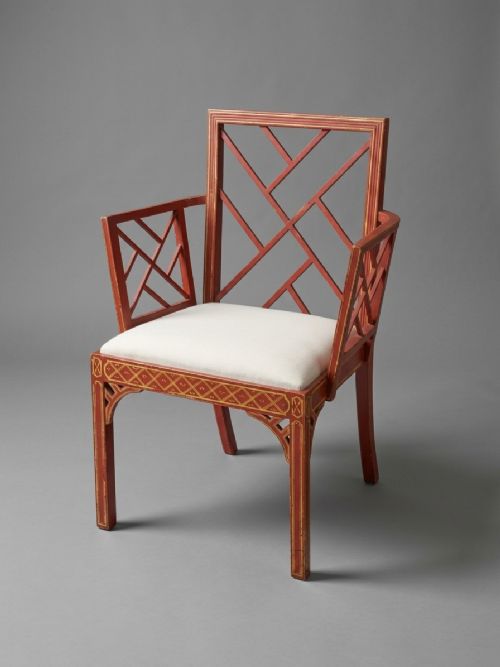
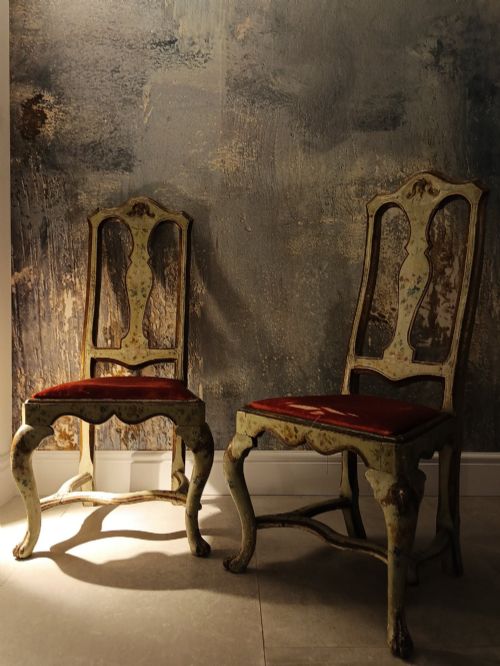
When you search for red painted chairs, you encounter seating spanning the eighteenth century through the twentieth, taking the form of armchairs, side chairs, and high chairs. These pieces emerge from diverse traditions, ranging from Swedish country folk art to Chinese Chippendale and Italian Rococo styles.
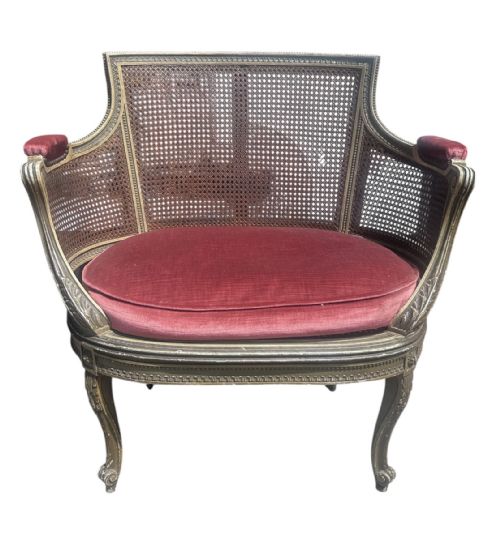
You are most likely to meet nineteenth-century examples on this page, alongside Edwardian and Georgian interpretations. The assortment includes French Louis styles, Windsor chairs, and simpler country forms constructed from wood and fabric.
How they were made
Makers constructed these chairs primarily from woods such as beech, applying paint directly to the wooden frames to create striking surfaces. Many pieces combine this painted wood with textile elements, incorporating velvet and other fabrics for upholstery and cushioning.
Details sometimes include applied gilding over the paint, or brass accents that complement the primary wooden structure. Surface decoration extends to lacquering in certain twentieth-century examples.
Red Painted Chairs Retail Price Guide 2026
Typical asking prices for red painted chairs among the pieces listed under this phrase on Sellingantiques today, from the lower quarter to the upper quarter. They describe what is for sale here now, not the wider market.
A royal investiture chair from the nineteen-sixties sits alongside rustic wedding chairs and prim child high chairs, proving red paint suits any station.
What varies in quality
The standard of a painted chair depends largely on the crispness of its turned or carved wooden details beneath the pigment. Pieces executed in specific historical revivals, such as Louis XV or Chinese Chippendale, reveal varying degrees of sculptural ambition.
The integrity of the painted surface itself sets examples apart, noting how well the pigment adheres to the wood over generations of use. Construction methods, from simple pegging to elaborate joinery, dictate the structural durability of each chair.
Liberty of London·White, Allom & Co
The Red Painted Chairs Glossary
- Bergere
- A closed-upholstered armchair with wooden frames where the sides are enclosed with upholstery or cane work. These often feature painted finishes.
- Cockpen
- A Chinese Chippendale style characterised by an open lattice or fretwork pattern in the back. Examples in this style occasionally appear with painted and gilded surfaces.
- Hoop-back
- A chair design where the backrest forms a continuous curved loop connected to the seat. Welsh child chairs frequently employ this rustic construction.
- Savonarola
- A folding armchair formed of multiple curved wooden slats intersecting to create a rhythmic X-shape. These carry Renaissance revival forms.
- Bobbin
- A style of turning where the wooden leg or stretcher resembles a string of spools or bobbins. Swedish country chairs utilise this decorative turning technique.
Red Painted Chairs: Frequently Asked Questions
How do I clean a painted wooden chair?
Dust the surface gently with a dry, soft cloth to remove everyday particles without disturbing the painted finish.
Avoid using harsh chemical cleaners or excess water, as moisture can soften older paint layers and cause flaking.
Are these chairs suitable for daily dining?
Sturdier wooden side chairs and dining chairs handle regular seating well, provided their joints remain tight and secure.
More delicate antique armchairs or decorative seating are better suited for occasional use or display to preserve their structure.
How can I tell an 18th century chair from a 19th century revival?
Eighteenth-century pieces typically display hand-carved joinery techniques and wood species specific to their regional workshops.
Revival pieces from the nineteenth century often imitate earlier styles like Louis XV or Chinese Chippendale while using machine-assisted joinery.
Can I reupholster a fabric seat?
Many chairs allow for modern upholstery fabric to be fitted over existing webbing and padding without altering the painted frame.
Retaining the original textile layers is sometimes preferable if the fabric possesses historical value or matches the period of the chair.