


Red Navy Caucasian Rug
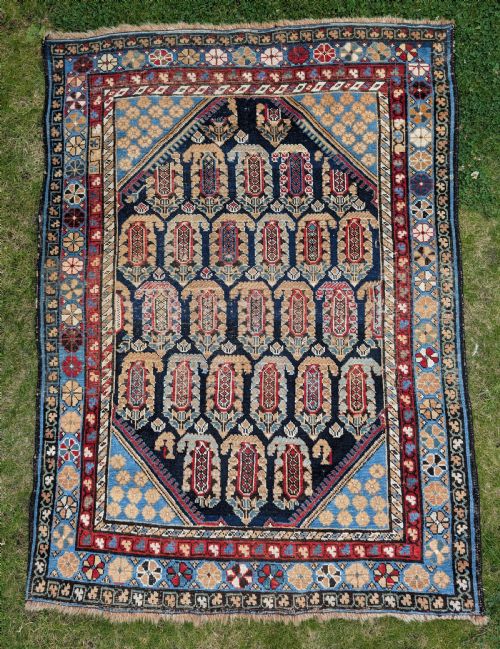
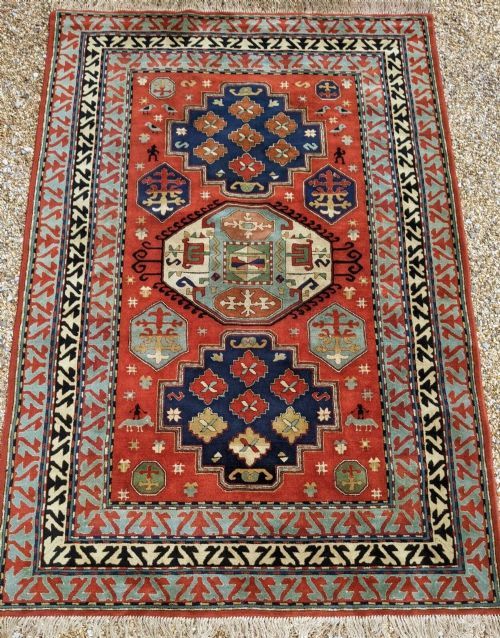
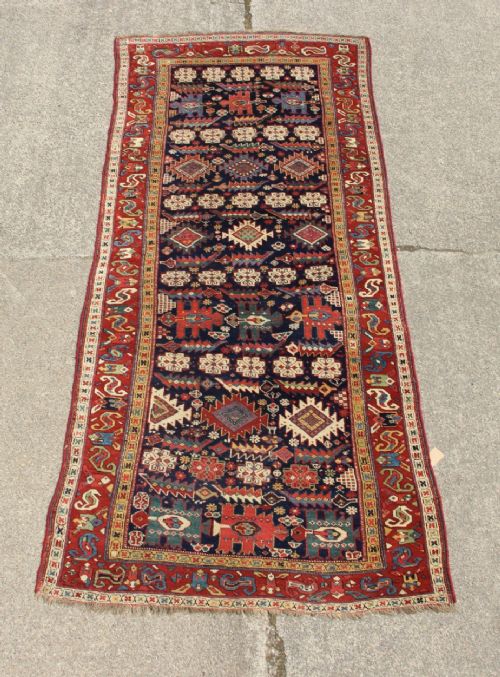
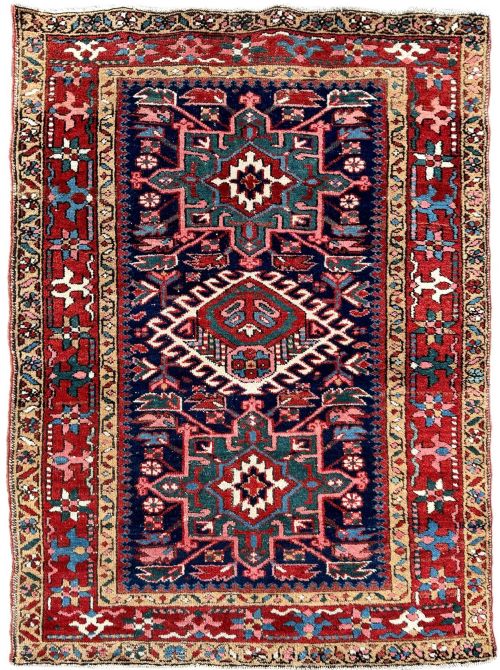
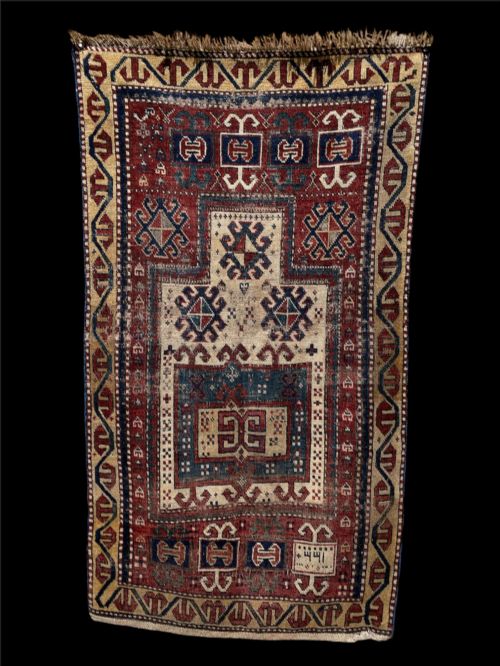
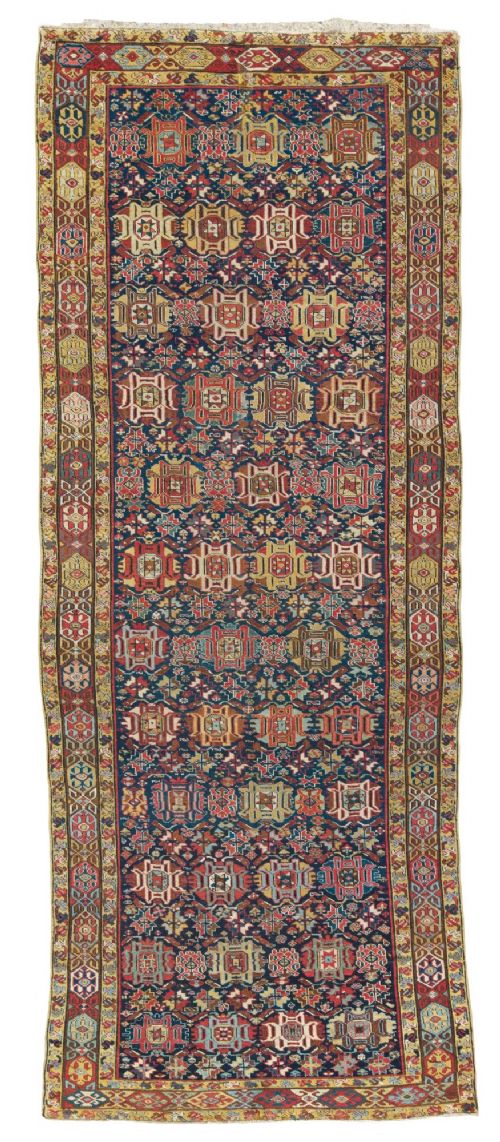
A red navy caucasian rug brings deep indigo and crimson tones into a room, formed by nomadic weavers using geometric patterns.
Red Navy Caucasian Rug
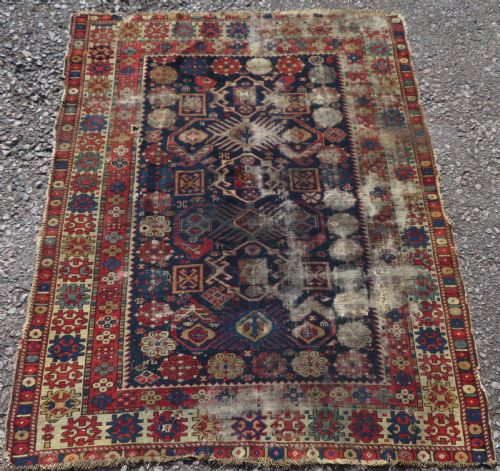
A red navy caucasian rug encompasses hand-knotted tribal weavings originating from the Caucasus region and surrounding areas, spanning the nineteenth and early twentieth centuries. Buyers frequently encounter regional formats here, including Kazak, Shirvan, Kuba, and Karadja productions.
The selection ranges from small saddle rugs and prayer formats to long hallway runners and larger carpets. These pieces typically display structured geometric medallions, boteh motifs, and animal figures executed in striking red and navy palettes.
Materials and construction methods
These textiles rely on hand-spun wool foundations and pile, combined with cotton elements in specific regional types. Weavers utilised natural vegetable dyes to achieve the deep reds, indigos, and contrasting ivories seen across the pieces.
The construction is entirely hand-knotted, creating a dense and resilient fabric designed for practical utility. Specialised techniques such as flat-woven Soumak structures also appear among the regional groups.
Several pieces quietly incorporate whimsical small animals and peacocks marching straight through the geometric lattice.
Distinctions in execution
Quality varies according to the precision of the knotting and the complexity of the design layout. Finer examples exhibit crisp geometric drawing and well-balanced proportions across the field and borders.
The depth and saturation of the natural dyes significantly influence the visual impact of each weaving. Pieces retaining vibrant, evenly struck vegetable colours stand apart from examples with faded or dull palettes.
The Red Navy Caucasian Rug Glossary
- Boteh
- A teardrop or pine-cone motif commonly found in oriental and caucasian weaving. This recurring design often fills the field in striped or all-over arrangements.
- Prayer rug
- A small format featuring a distinct niche or mihrab design at one end. Historically utilised for daily Islamic prayer.
- Soumak
- A flat-weave technique where decorative coloured weft threads wrap around the warp threads. This method produces a durable surface without a traditional cut pile.
- Kelleh
- A large, elongated carpet format traditionally used in Persian and Caucasian interiors. These substantial pieces serve as dramatic room-size floor coverings.
Red Navy Caucasian Rug: Frequently Asked Questions
Where should I place a runner rug?
These long formats suit narrow spaces such as hallways, corridors, and entrance passages. They add warmth and colour while protecting high-traffic wooden floors.
Ensure you use a suitable underlay beneath the textile to prevent sliding and reduce wear from foot traffic.
How do I care for antique wool rugs?
Vacuum these textiles gently using suction only, avoiding rotating brush attachments that can pull the wool fibres. Professional cleaning is recommended when dirt accumulates deep within the pile.
Keep the piece out of direct, intense sunlight to prevent the natural dyes from fading over time.
What is a saddle rug?
Saddle rugs are small utility textiles originally designed for placement beneath animal riding equipment. Their compact dimensions make them ideal for small alcoves or as accent pieces.
Collectors value these items for their dense knotting and idiosyncratic tribal designs tailored to nomadic life.
How are regional styles identified?
Regional attribution relies on specific combinations of palette, border patterns, and knotting structures. For example, Kazak pieces often feature bold geometric medallions, while Shirvan examples display more intricate lattices.
Examining the weave on the reverse side reveals clues about the specific tribal workshop or geographical origin.