






Red Kurdish Rug
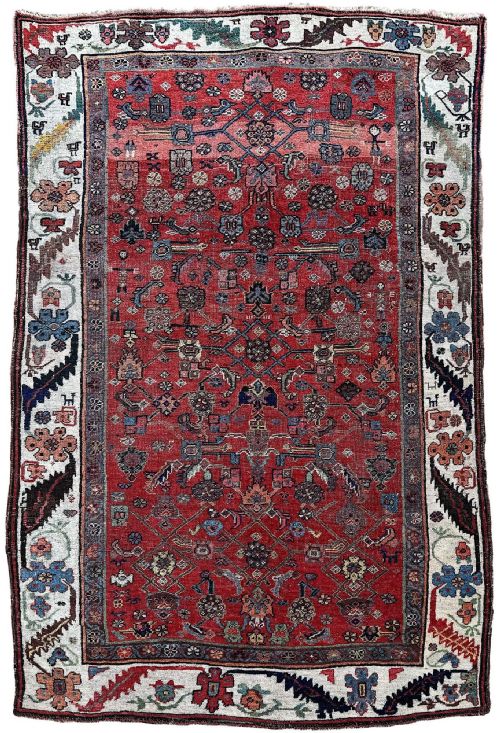
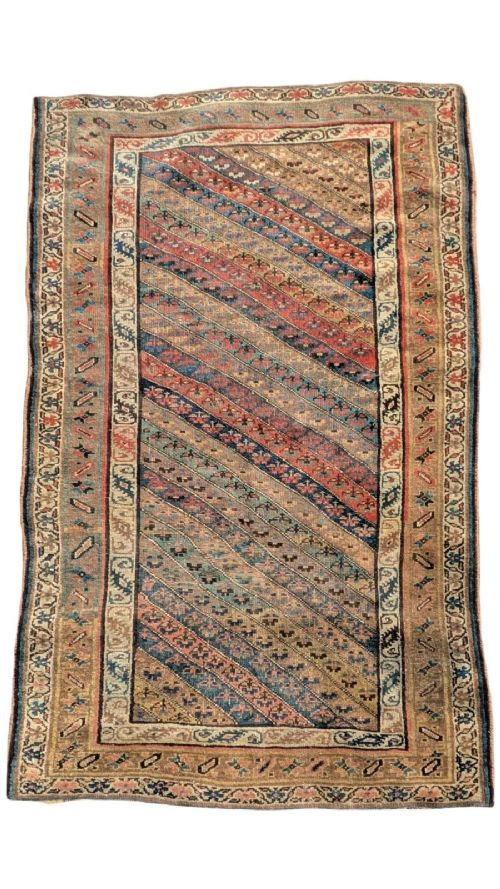
A red kurdish rug brings dense tribal character and sturdy wool construction into a room, forged by weaving traditions spanning the nineteenth and early twentieth centuries.
Red Kurdish Rug
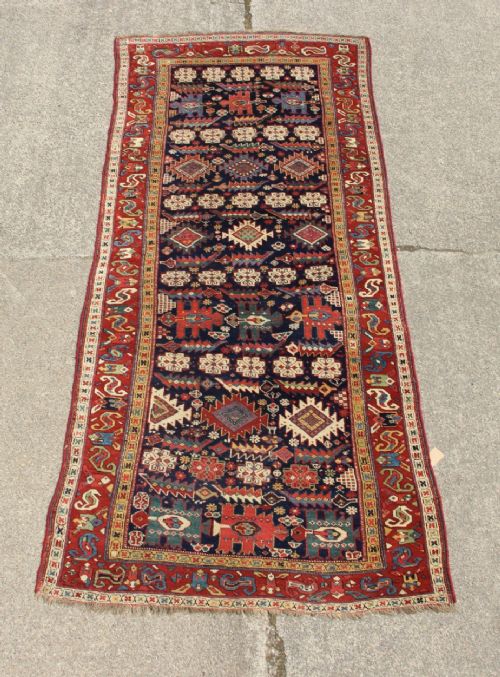
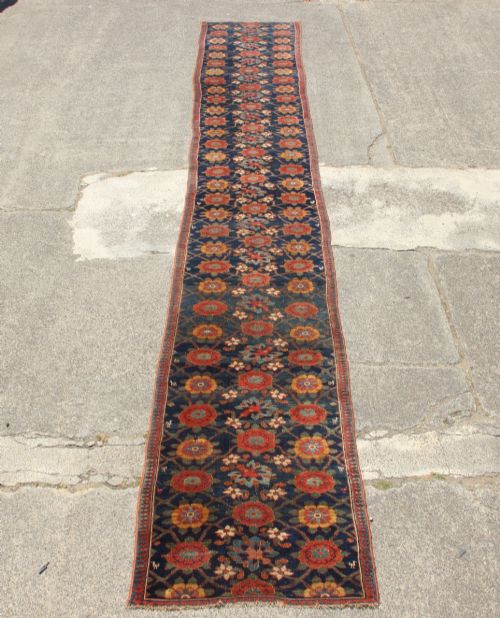
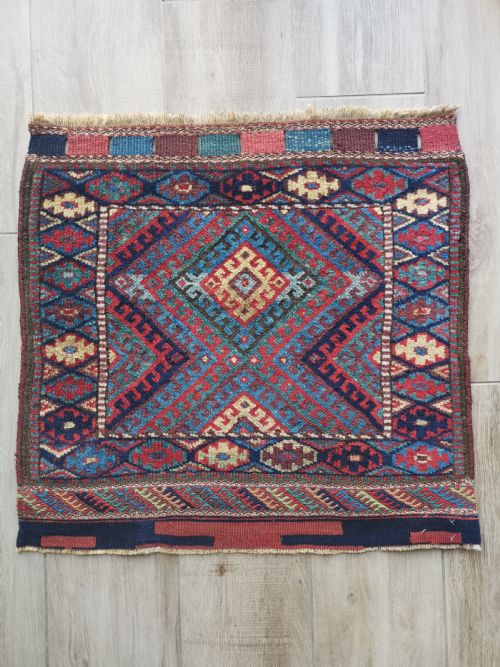
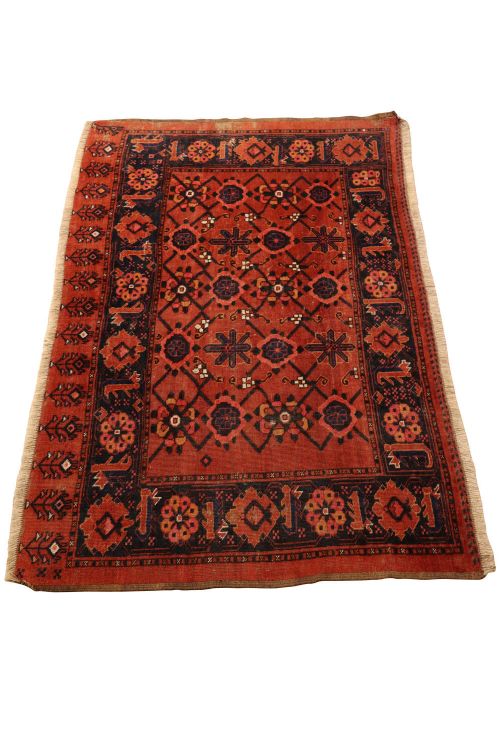
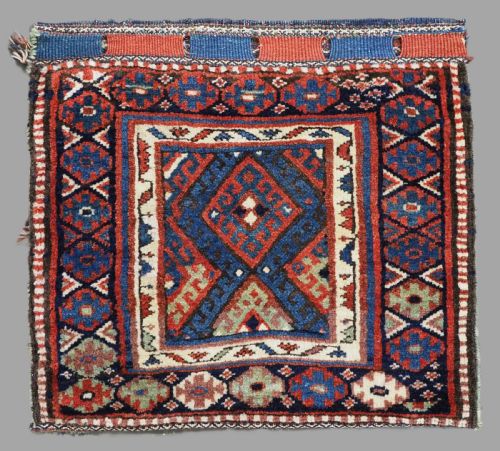
A red kurdish rug encompasses tribal carpets, runners, and smaller household textiles originating from Persian and Anatolian weaving groups. These pieces emerge in formats ranging from compact bagfaces and chantehs to large kelleh carpets and long hallway runners.
The most frequent examples encountered on this page date from the nineteenth century up through the nineteen-thirties, reflecting persistent village and tribal production methods. Makers span specific regional groupings including Bidjar, Senneh, Jaf, Quchan, and Hamadan districts.
Buyers select these floor coverings and flatweaves for their robust structures and deep crimson palettes, which distinguish regional weaving from urban workshop production. Each item carries the distinct structural geometry and tribal motifs characteristic of western Persia and surrounding uplands.
How they were made
Weavers constructed these textiles primarily using hand-spun wool for the pile and foundation yarns, complemented by cotton and occasionally goat hair in specific structural elements. Hand-knotting techniques secured the dense wool pile onto sturdy warp and weft foundations designed to endure heavy daily use.
Natural dye traditions supplied the characteristic red tones and contrasting hues seen across tribal formats, fixed securely within resilient animal fibres. Artisans also utilised plain weave techniques for the backs of bags and the flat surfaces of kilim runners, combining structural integrity with varied surface textures.
Red Kurdish Rug Retail Price Guide 2026
Typical asking prices for red kurdish rug among the pieces listed under this phrase on Sellingantiques today, from the lower quarter to the upper quarter. They describe what is for sale here now, not the wider market.
The listings span eight distinct decades of production, incorporating materials such as hand-spun wool, cotton, and goat hair across runner and carpet formats.
What varies in quality
Quality differentiates itself through the tightness of the knotting and the handling of the wool, where finer, densely packed piles yield greater longevity and sharper pattern definition. The clarity of the Mina Khani and tribal geometric motifs also separates standard village pieces from finer regional weaving.
The integrity of the original side cords, end finishes, and the completeness of bag pieces or long runners dictate the structural preservation of an item. Greater finesse in hand-spinning and dyeing produces depth of colour that remains vibrant across the expanse of the carpet.
The Red Kurdish Rug Glossary
- Kelleh
- A long, rectangular format of carpet traditionally proportioned for specific room dimensions rather than full room coverage. These formats often display extended field designs flanked by multiple decorative borders.
- Chanteh
- A small tribal container or vanity bag woven by nomadic groups for personal use. Surviving examples frequently retain their decorative face or complete plain weave backing.
- Mina Khani
- A recurring rotational floral pattern arranged in an infinite grid across the central field. This classical design appears frequently in fine Kurdish and Bidjar carpets.
- Bidjar
- A regional weaving centre known for producing exceptionally heavy, resilient carpets with dense foundations. Rugs from this origin maintain stiff structures due to dampened, pounded wefts during construction.
- Senneh
- A town associated with finely knotted Persian rugs and kilims often featuring Herati motifs or delicate diamond medallions. These pieces typically present lighter structures than their heavier regional neighbours.
Red Kurdish Rug: Frequently Asked Questions
Where were these rugs made?
Production centred primarily within the Kurdish regions of western Persia, alongside related tribal areas in East Anatolia. Weavers in districts such as Bidjar, Senneh, and Hamadan produced these pieces using local materials.
Nomadic and village groups adapted regional patterns to suit their specific weaving traditions, resulting in diverse formats ranging from long runners to small saddlebag faces.
How do I care for my rug?
Protect the hand-spun wool pile by regular gentle vacuuming without a rotating beater bar to avoid pulling the foundation yarns. Professional cleaning suited for antique textiles preserves the natural lanolin in the wool.
Place a suitable underlay beneath the textile on hard flooring to prevent slipping and reduce friction between the backing and the floorboards.
How are different tribal types distinguished?
Distinctions rely on structural density, materials like cotton versus wool foundations, and the specific geometry of the border systems. Jaf and Quchan pieces often display distinct bagface structures or specific tribal colour combinations.
Examining the handling of the weave and the presence of goat hair or hand-spun yarns helps assign pieces to specific nineteenth-century groups.
Can I use a runner in a hallway?
Long runners and kelleh formats were originally constructed to handle high-traffic transit areas within homes. Their robust wool pile and sturdy construction suit heavy corridor use.
Ensuring correct placement with a quality rug pad prevents shifting and distributes foot traffic evenly across the antique foundation.