



Red Kerman Rug
A red kerman rug brings Persian tradition into a room through natural dyes and intricate wool weaving from the Kerman province.
Red Kerman Rug
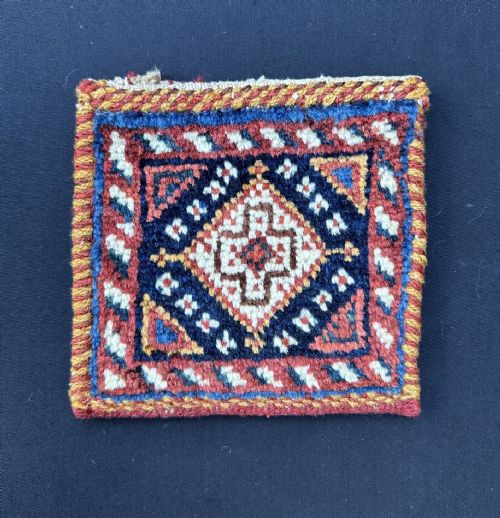
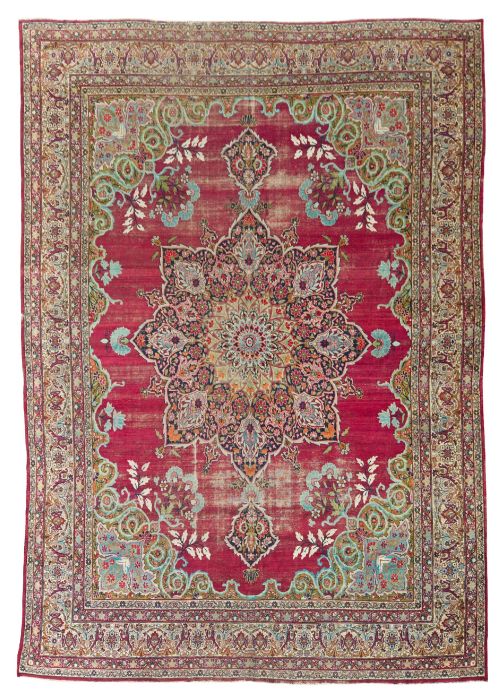
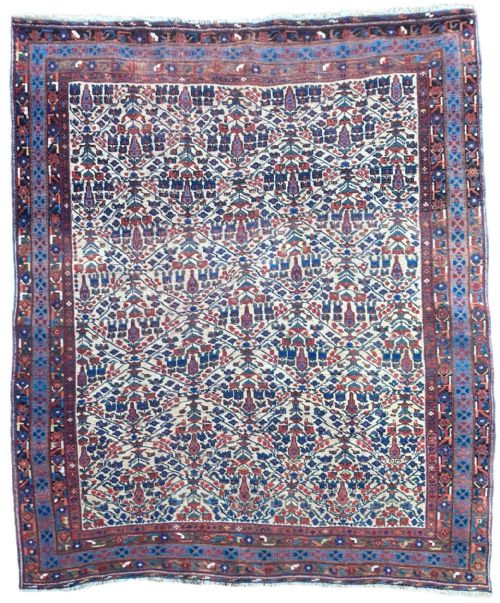
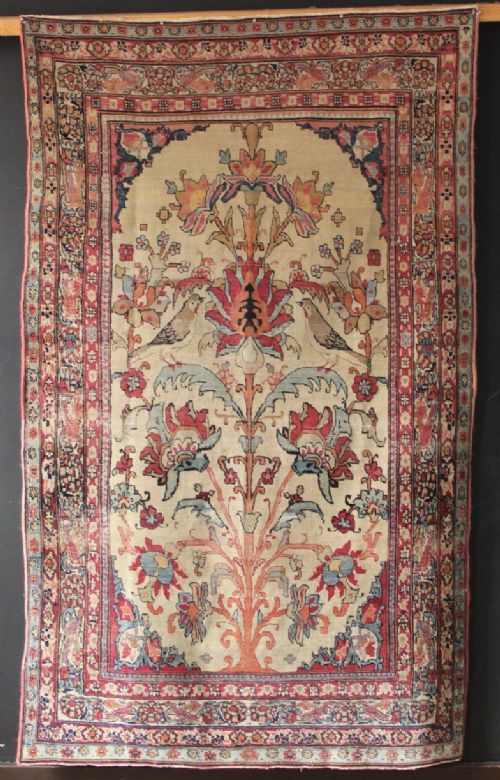
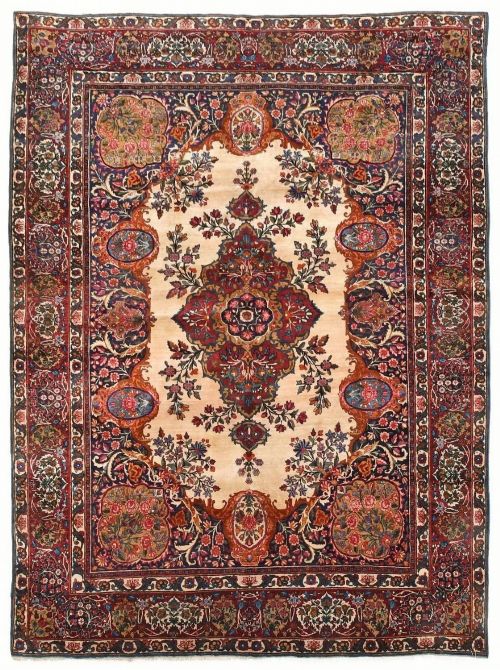
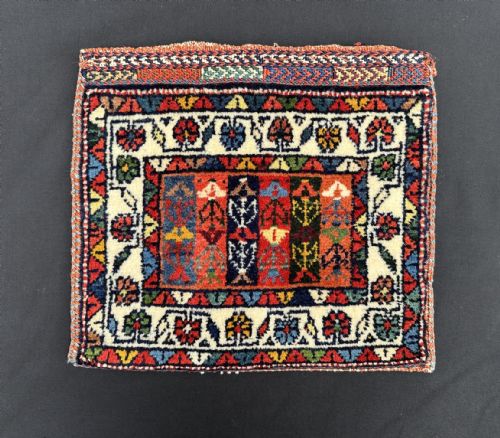
When searching for a red kerman rug, collectors examine floor coverings and tribal textiles originating from South Persia, spanning from the late nineteenth century into the mid twentieth century. These pieces encompass large room size carpets, smaller mats, and nomadic weaving such as vanity bags and bread sofreh cloths.
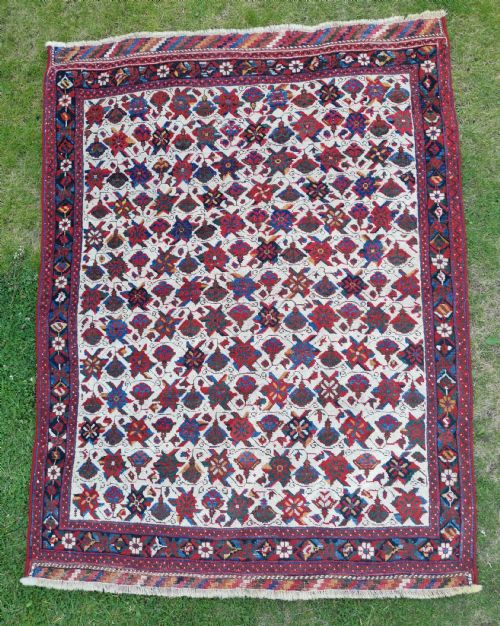
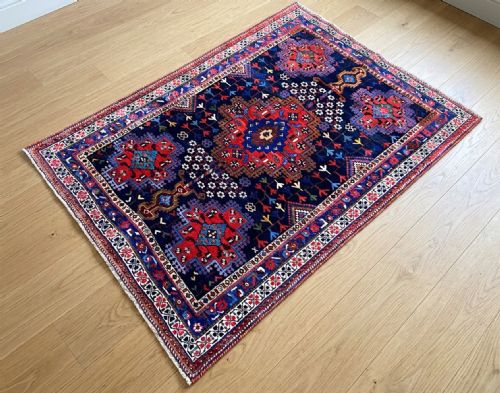
The common form encountered on this page is the room size carpet or smaller scatter rug, often woven with traditional Persian floral motifs and repeat boteh designs. Alongside these urban workshops, nomadic groups like the Afshar produce distinct tribal pieces within the same Kerman province.
Materials and Construction
These textiles rely on a foundation of cotton for structural stability, paired with wool pile for the patterned surface. Artisans employ natural dyes to achieve the distinct red palette and contrasting tones found across the province.
Nomadic and workshop weavers utilise hand-knotting techniques handed down through generations, creating durable surfaces that withstand daily use. The interplay of wool and cotton determines the weight and drape of each individual carpet or bag.
Red Kerman Rug Retail Price Guide 2026
Typical asking prices for red kerman rug among the pieces listed under this phrase on Sellingantiques today, from the lower quarter to the upper quarter. They describe what is for sale here now, not the wider market.
Nomadic weavers occasionally included tiny stray animal motifs hidden among the grand floral fields of their utilitarian bread cloths.
Markers of Quality
The finest examples display precision in knot density and intricate detail within floral or millefleurs prayer designs. Superior wool quality and expert preparation of natural dyes ensure lasting depth of colour and resilience.
Nomadic pieces derive distinction from tribal character, authentic regional wools, and well-preserved geometric structures. Workshop carpets achieve excellence through balanced symmetry, careful proportion, and harmonious palettes.
The Red Kerman Rug Glossary
- Boteh
- A traditional Persian motif resembling a almond or bent pear shape, frequently repeated across the field of these carpets.
- Sofreh
- A woven cloth used by nomadic tribes for eating, food preparation, or storing bread.
- Millefleurs
- A dense pattern composed of many small flowers covering the field of a prayer rug or carpet.
- Kirman
- An alternative spelling for Kerman, a major centre of carpet production in southern Persia.
Red Kerman Rug: Frequently Asked Questions
Where do red kerman rugs come from?
These pieces originate from the Kerman province in southern Persia, produced in both urban workshops and by nomadic groups such as the Afshar tribes.
The regional environment and traditional access to natural dye materials shaped the distinctive output of this area.
How are tribal rugs different from carpets?
Tribal rugs and related items like vanity bags or bread sofreh cloths reflect nomadic life through portable forms and geometric motifs.
Carpets from city workshops tend to feature expansive floral patterns and larger dimensions suited for permanent rooms.
What materials make up these rugs?
The primary components are wool for the soft upper pile and cotton for the underlying warp and weft threads.
Weavers relied exclusively on natural dye sources to colour the wool before working the knots by hand.
How do I date an antique rug?
Dating relies on stylistic clues, structural analysis of the cotton foundation, and the specific characteristics of the natural dyes used.
Written records and regional traditions also assist in placing pieces into decades spanning the nineteenth and twentieth centuries.