

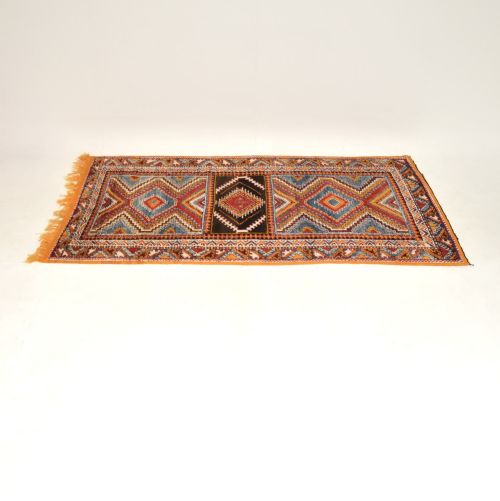
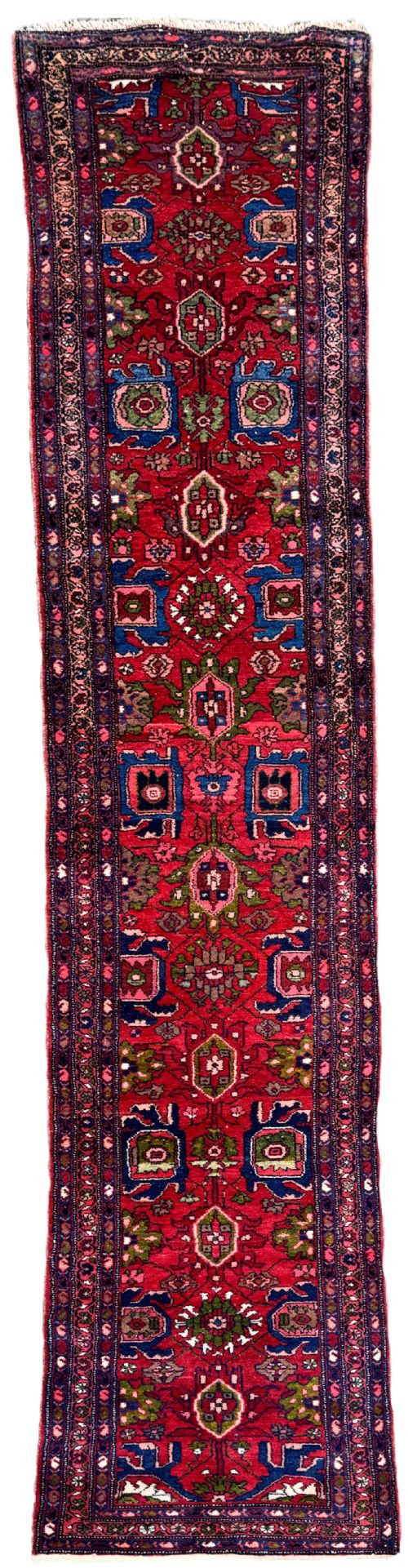
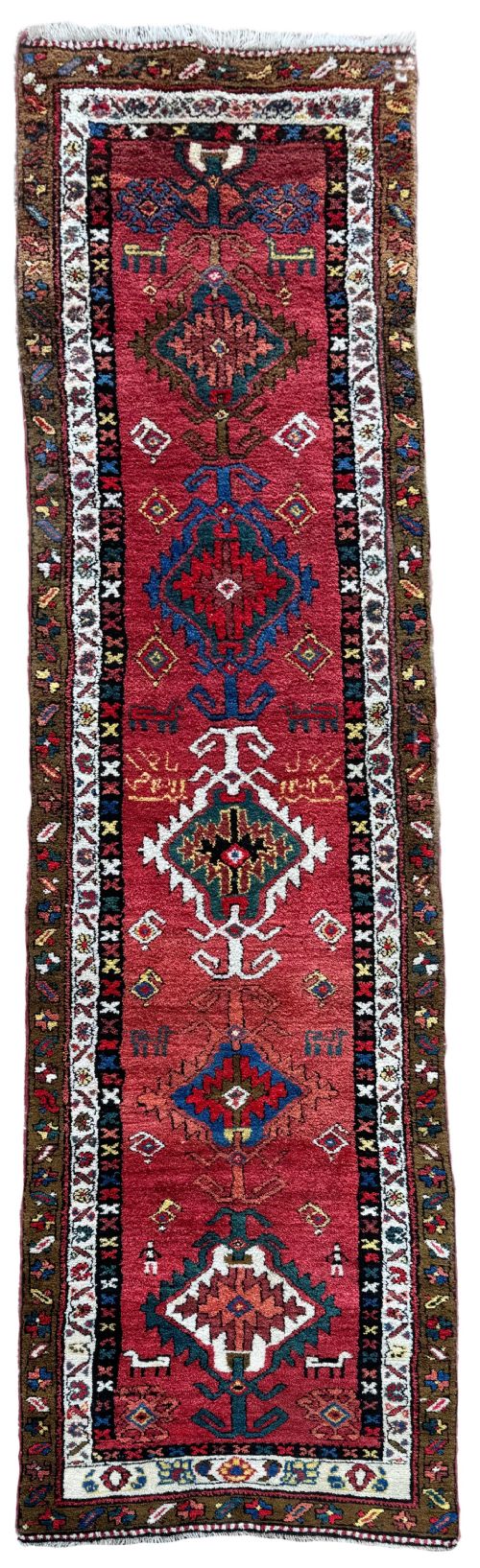
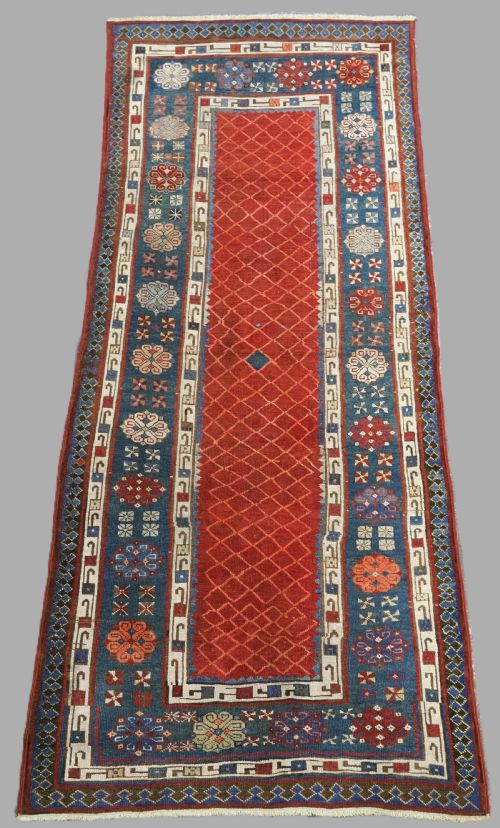
Red Hallway Rug
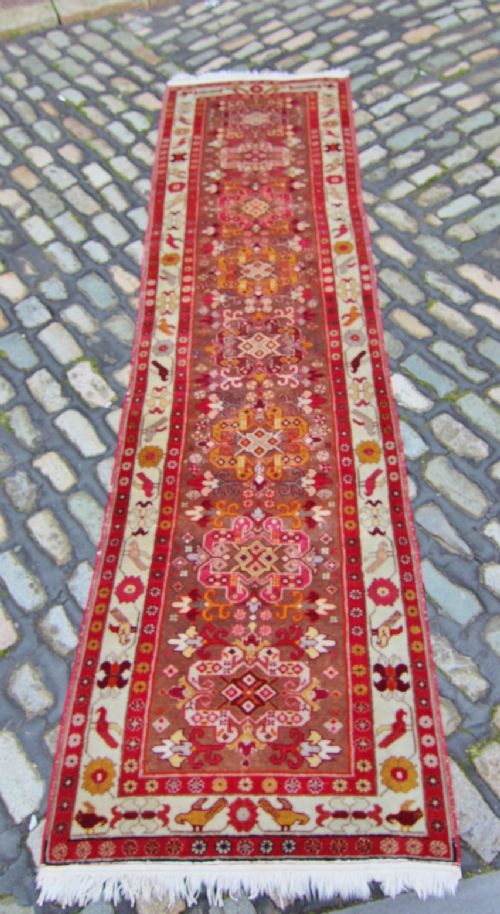
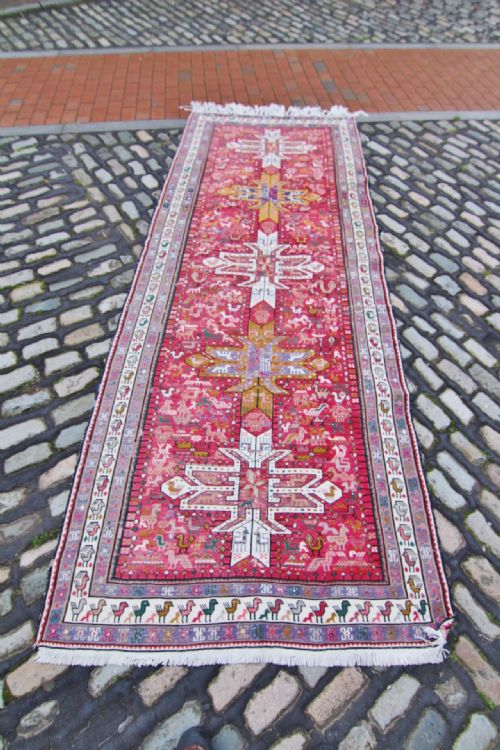
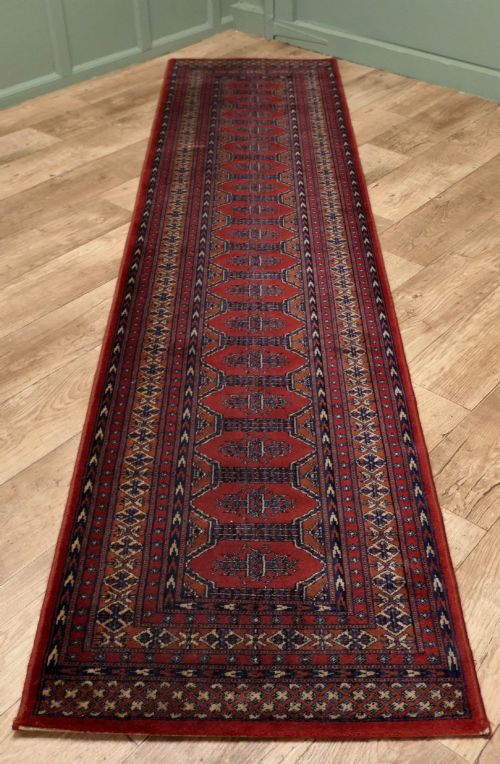
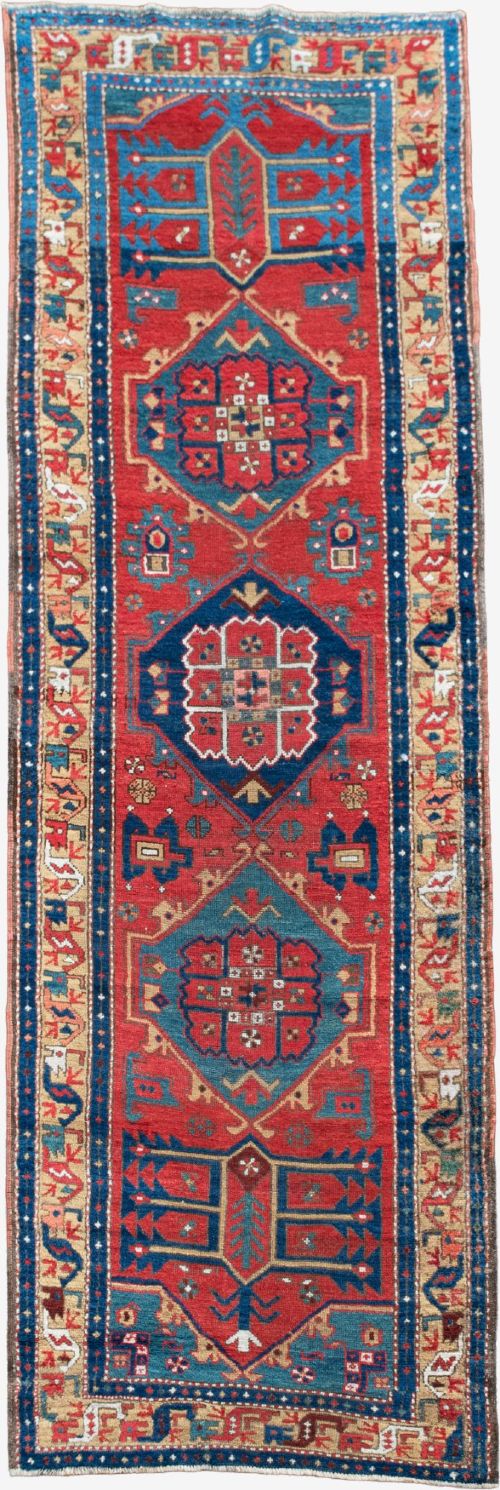
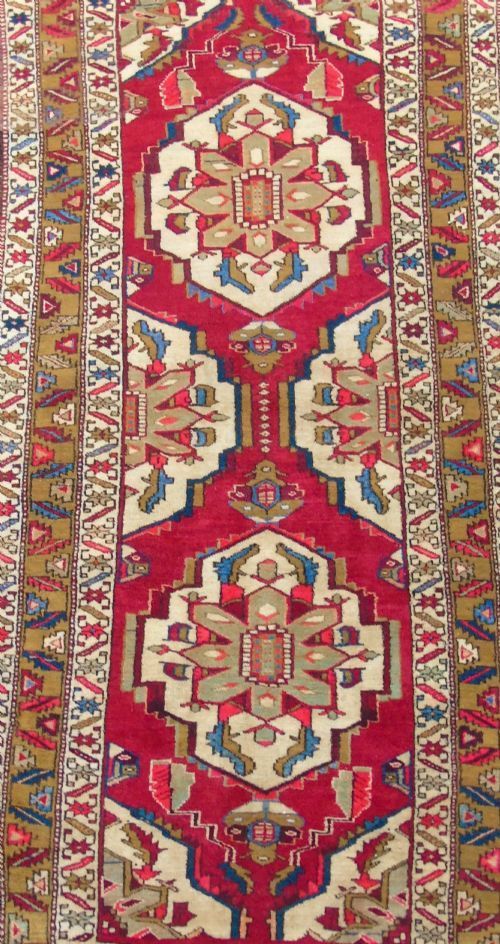
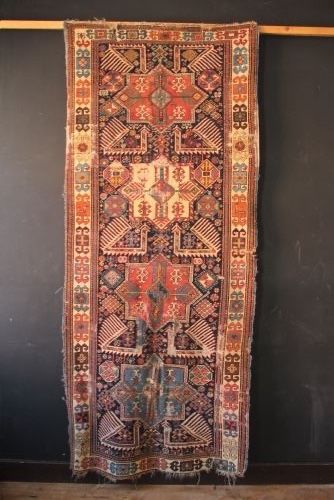
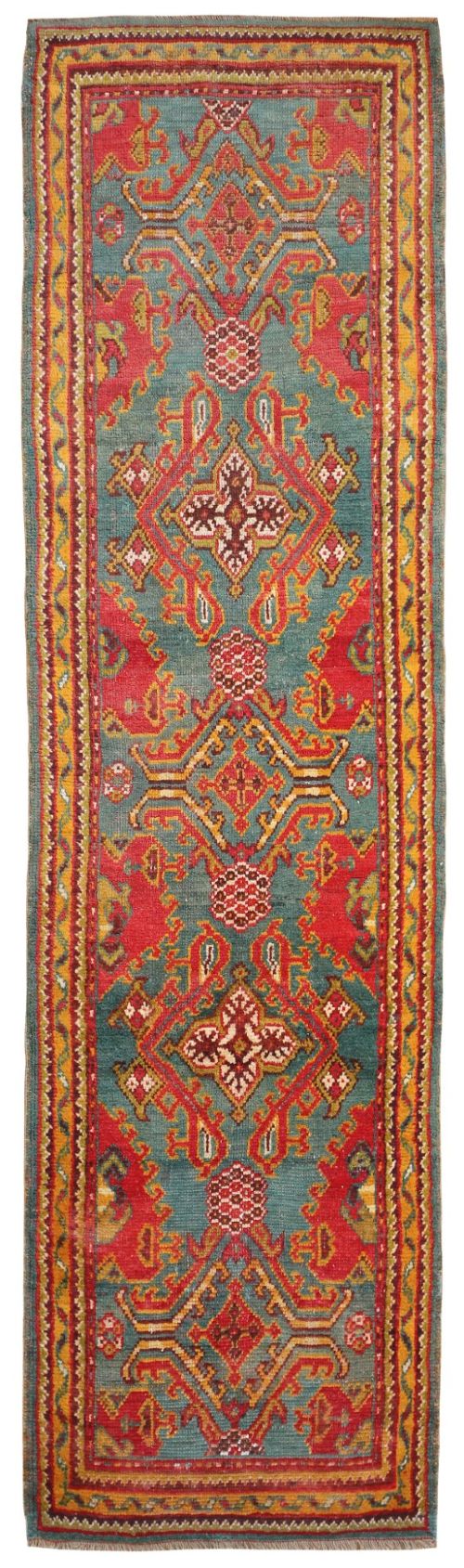
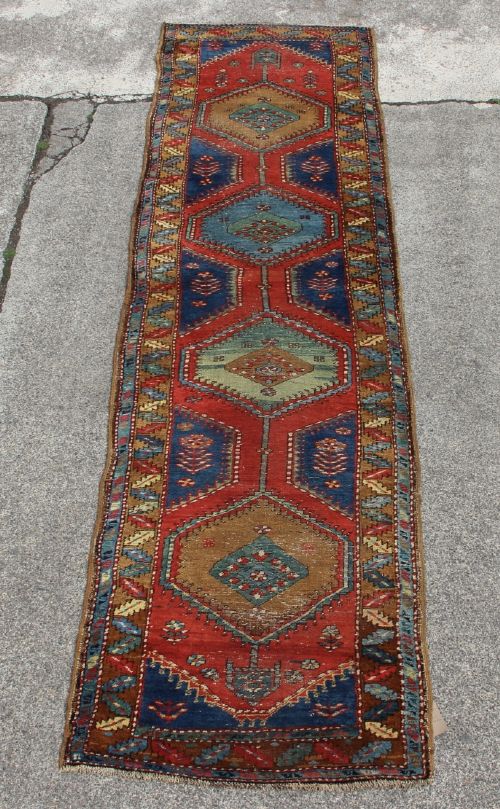
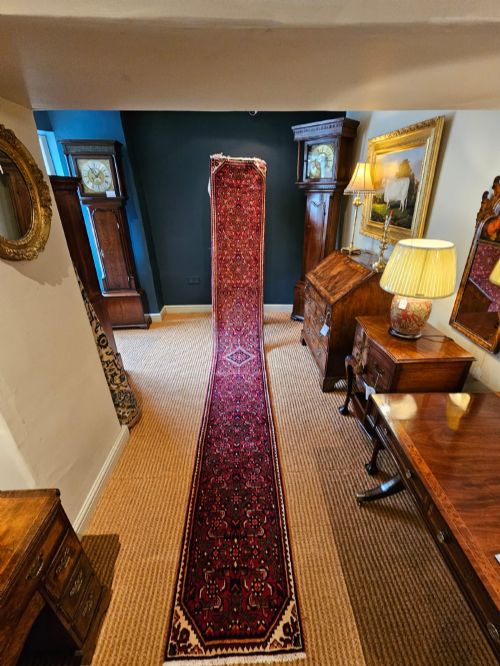
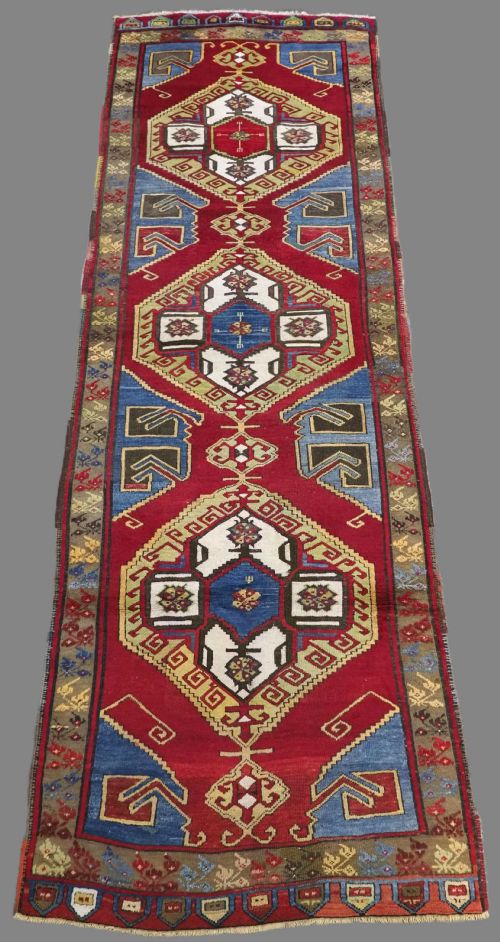
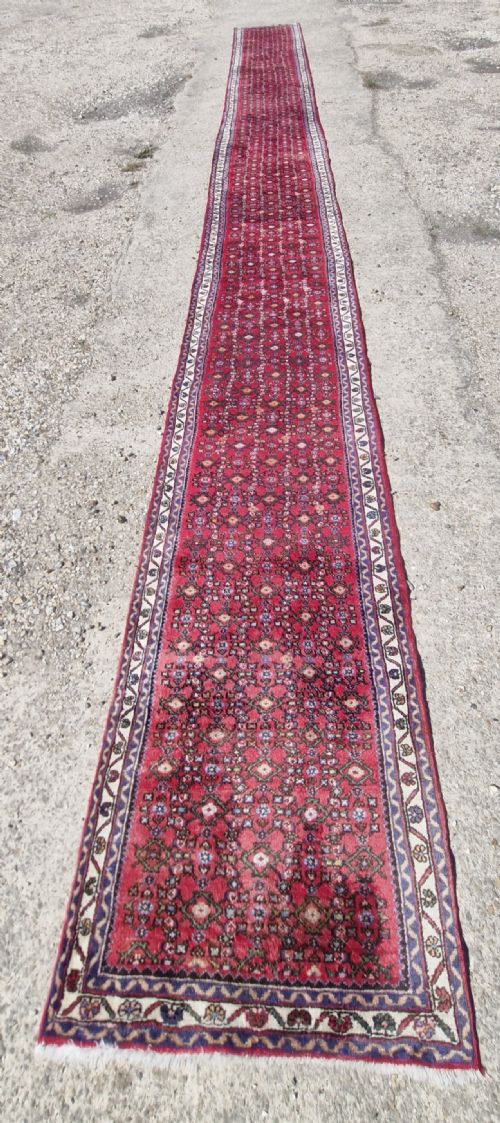
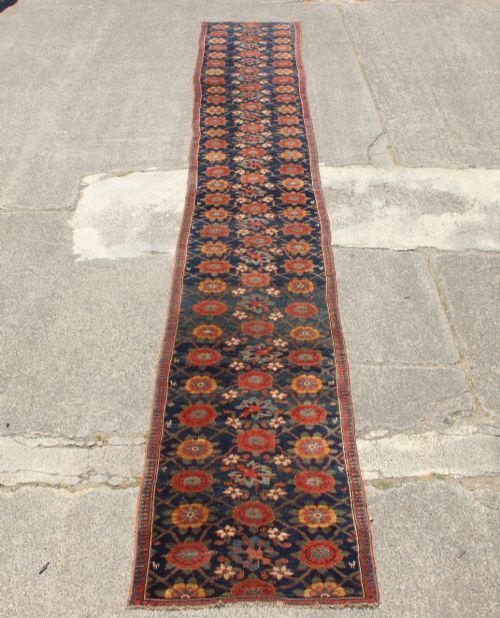
A red hallway rug brings warmth and structured geometry to a narrow domestic space, drawing the eye along antique Persian and Caucasian runners.
Red Hallway Rug
A red hallway rug takes the form of an elongated runner or long carpet, suited to narrow thoroughfares and landings in older properties. These pieces span production dates from the nineteenth century through to the early decades of the twentieth century.
The aesthetic is rooted in traditional weaving centres, presenting Persian tribal designs, Anatolian tribal patterns, and Caucasian geometric layouts. Buyers encounter items bearing specific regional attributions such as Heriz, Hamadan, Kurdish, and Ushak.
Formats range from narrow strips spanning a few metres to substantial room-length runners exceeding five metres. Each textile provides functional floor coverage while displaying the distinct chromatic and symbolic vocabulary of its origin.
How a red hallway rug was made
Construction relies primarily on natural fibres, combining wool pile with cotton or wool foundations. Many examples incorporate hand-spun wool, which absorbs natural dye variations with distinct depth across the surface of the textile.
Weavers knotted the pile by hand onto warp and weft threads, creating dense structures designed to withstand heavy foot traffic in domestic corridors. Natural dyestuffs produced the characteristic rich red tones seen throughout these regional rugs.
Red Hallway Rug Retail Price Guide 2026
Typical asking prices for red hallway rug among the pieces listed under this phrase on Sellingantiques today, from the lower quarter to the upper quarter. They describe what is for sale here now, not the wider market.
Listings feature traditional wool and hand-spun wool constructions spanning the nineteenth century and the early twentieth century.
What varies in quality
Quality rests in the precision of the knotting and the complexity of the design rendering, where finer weaves allow for sharper geometric or floral articulation. The choice and saturation of natural dyes dictate how the red background ages and catches the light.
Structural integrity also separates standard examples from exceptional ones, particularly regarding the survival of original borders and the tightness of the weave along the selvedges. Wear patterns and historical repairs influence the overall harmony and integrity of the textile.
The Red Hallway Rug Glossary
- Runner
- A long, narrow carpet format specifically designed for hallways, corridors, and staircases. It typically measures significantly greater in length than in width.
- Pile
- The upright yarn loops or cut ends that form the soft surface of a rug. It is woven into the foundation to provide texture and pattern.
- Warp
- The vertical foundation threads stretched lengthwise on a loom before weaving begins. Weft threads are interlaced across these to secure the knots.
- Selvedge
- The reinforced edge of a rug running parallel to the warp, finished to prevent the sides from fraying. Sound selvedges indicate careful original construction.
- Kelleh
- A large format carpet shape, often longer than standard room carpets but wider than a typical corridor runner. It serves substantial reception spaces.
Red Hallway Rug: Frequently Asked Questions
How do I choose the correct length for my hall?
Measure the clear floor space of your corridor, leaving an equal margin of exposed wooden flooring or stone around the perimeter of the rug. Ensure doors can swing freely over the pile height without catching the edges.
Take into account any architectural jogs or radiators that might dictate where the textile begins and ends. A properly proportioned runner leaves the focal points of the hallway visible at both ends.
Are these antique runners durable enough for daily foot traffic?
Traditional knotted pile construction was engineered for heavy domestic use in bustling households. The density of wool fibres provides natural resilience against compression and wear.
Placing a suitable underlay beneath the textile prevents slippage and absorbs impact, extending the working life of the foundation threads. Regular gentle rotation distributes foot traffic evenly across the surface.
What causes the distressed appearance on some antique rugs?
Decades or centuries of continuous use, natural fibre attrition, and historical washing processes create the softened appearance seen in distressed pieces. Sunlight exposure over generations can also mellow the intensity of the original wool dyes.
Rather than structural failure, this weathering represents the natural patina accumulated through an active life in domestic settings. Collectors often value this softened aesthetic for the gentle transition of tones it brings to an interior.