



Red Flambe Ceramic
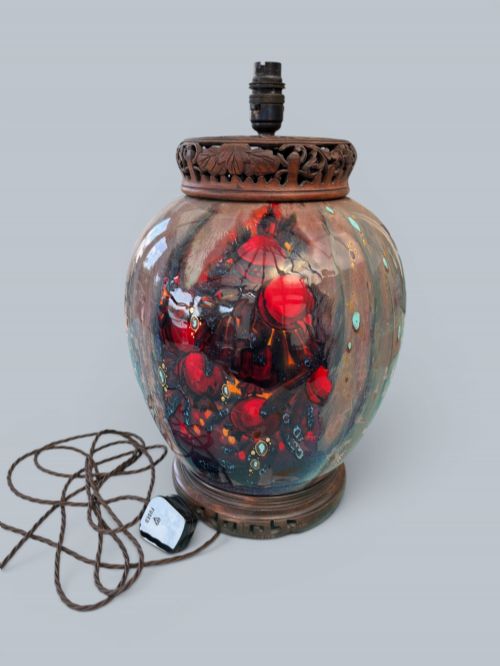
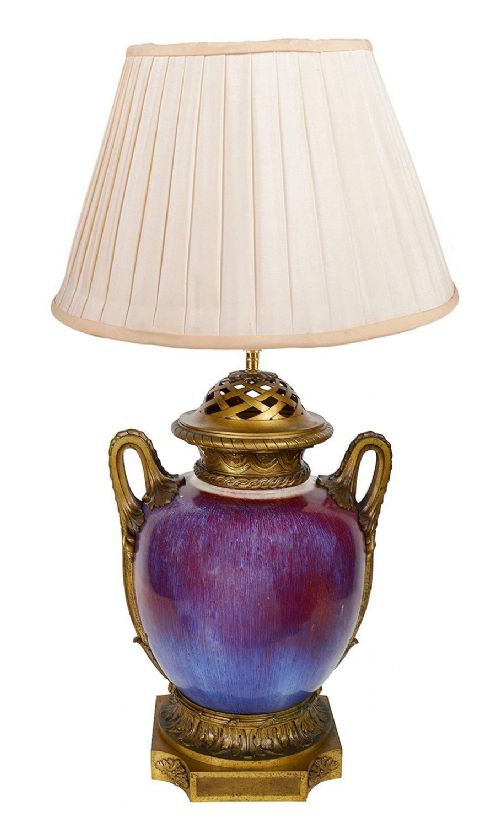
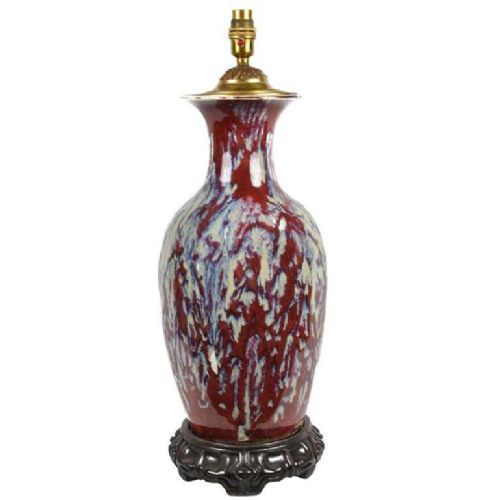
These red flambe ceramic pieces bring rich, streaked copper glazes and bold forms to a room, offering striking visual depth.
Red Flambe Ceramic
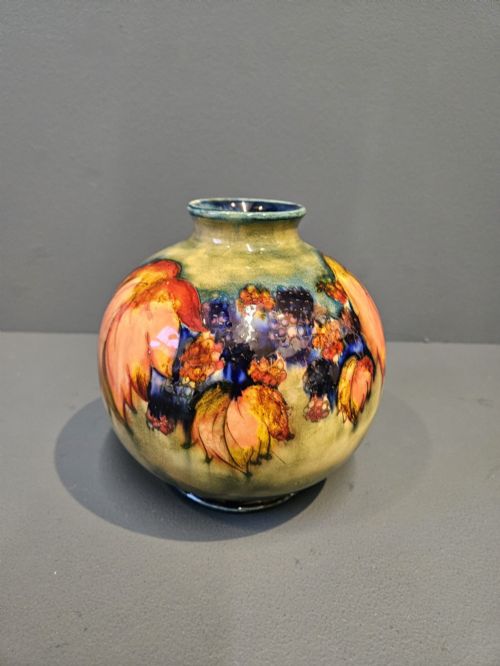
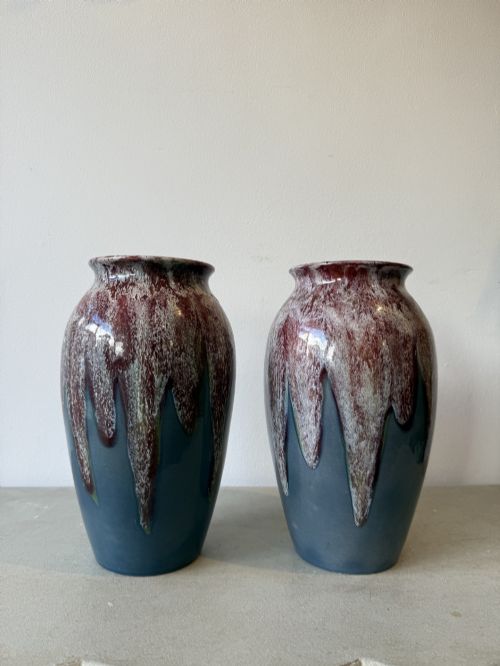
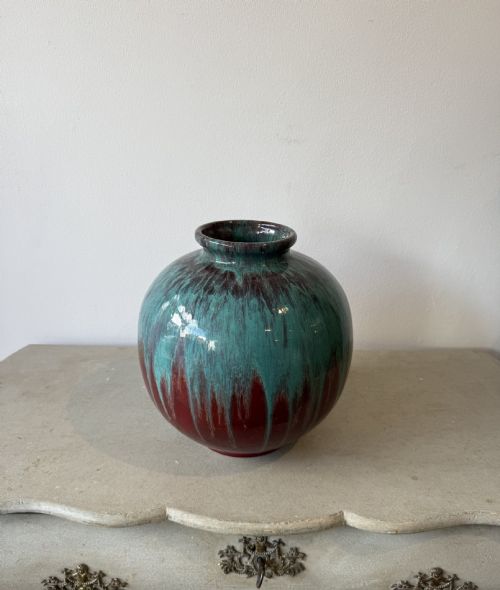
When you search for red flambe ceramic, you encounter pieces defined by kiln-transformed glazes that merge crimson, purple and dark tones. The selection spans the eighteenth century through to the mid-twentieth century, drawing together works from English potteries, French studios, Chinese kilns and Japanese workshops.
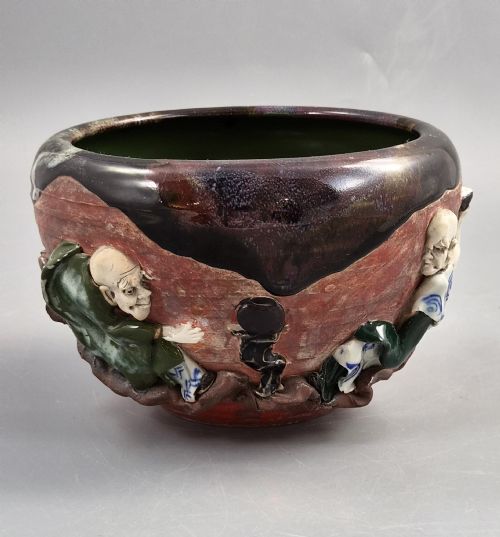
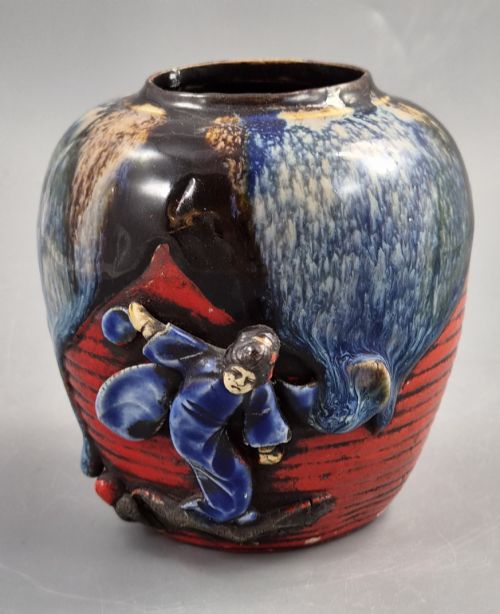
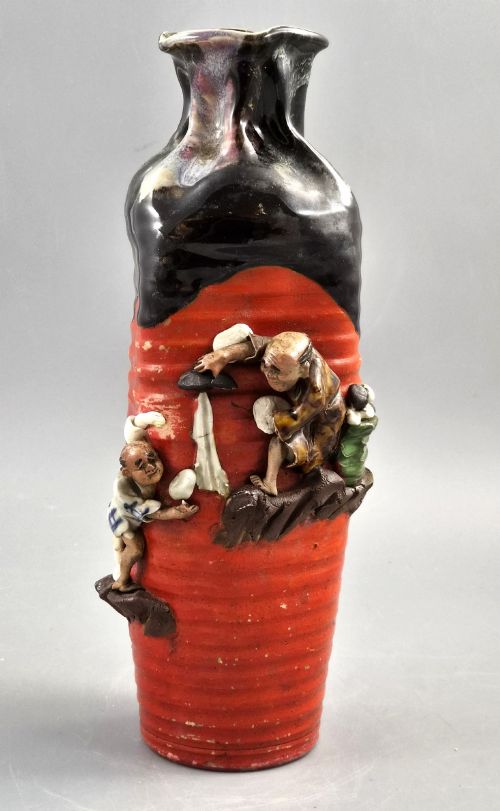
Vases and table lamps dominate the offerings, alongside decorative bowls and cup and saucer sets. Forms range from tall baluster vessels to pinched sack rims and jars featuring applied figures in relief.
How they were made
Potters shaped these objects from earthenware, stoneware, terracotta, porcelain and ceramic bodies before applying heavy mineral glazes. Control of kiln temperature and oxygen reduction allowed copper oxides to pool, streak and mottle during firing.
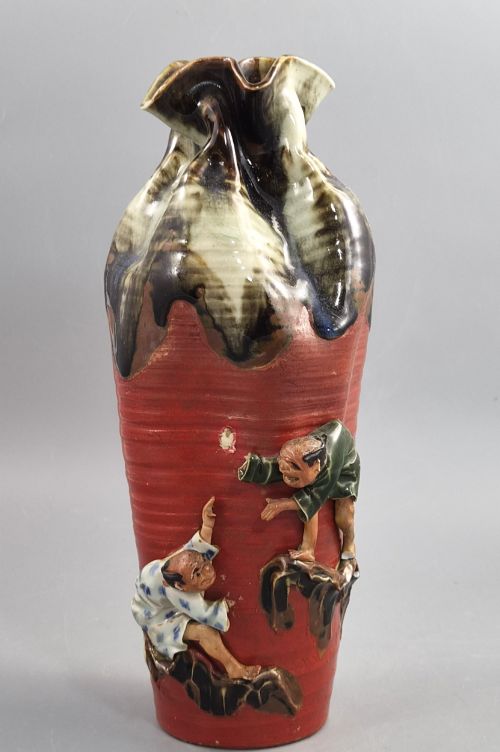
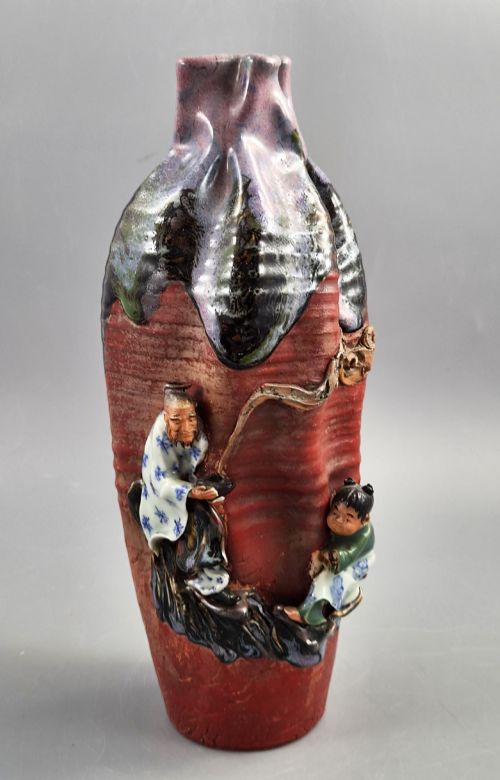
Certain Japanese and Chinese pieces incorporate applied figures, such as sages and karako, modelled by hand directly onto the body. Brass fittings occasionally appear on items adapted into table lamps.
Red Flambe Ceramic Retail Price Guide 2026
Typical asking prices for red flambe ceramic among the pieces listed under this phrase on Sellingantiques today, from the lower quarter to the upper quarter. They describe what is for sale here now, not the wider market.
The listings span earthenware, stoneware, terracotta, porcelain and ceramic bodies, decorated with flambe and drip glazes across various Asian and European styles.
What varies in quality
Quality rests in the control and chemistry of the glaze, where depth, fluidity and variation distinguish a successful piece. Glazes that pool unevenly or lack rich tonal shift do not hold the eye in the same manner.
The precision of the modelling on applied figural works and the sharpness of signatures or marks indicate the hand of a skilled maker. Well-balanced thrown bodies and carefully managed kiln effects separate standard production from finer examples.
Moorcroft·Inoue Ryosai·Ban-ni·Ishiguro Koko·Royal Doulton
The Red Flambe Ceramic Glossary
- Flambe glaze
- A rich, unpredictable glaze containing metallic oxides, typically copper, which produces mottled and streaked red and purple effects during reduction firing. It owes its name to the varied flame environments within the kiln.
- Sang de boeuf
- A deep ox-blood red glaze developed in Chinese kilns and later emulated by Western potteries. The term translates directly from the French for ox blood.
- Sumida Gawa
- A style of Japanese pottery originating from the banks of the Sumida River, noted for heavy, textured glazes and applied figures in high relief. Pieces often feature dramatic blue or lavender flambe effects.
- Earthenware
- Porous pottery fired at lower temperatures, commonly used as a base for heavy glazes. It requires glazing to become impermeable to liquids.
- Baluster
- A vase form with a rounded body that tapers toward the base and swells outward before narrowing at the neck. This classic silhouette provides an ideal canvas for flowing glazes.
Red Flambe Ceramic: Frequently Asked Questions
How do I clean flambe ceramic?
Dust these pieces gently with a dry, soft cloth to protect the surface glaze. Avoid harsh chemical cleaners or abrasive pads that might dull the glossy finish.
For lamps, ensure the piece is unplugged before cleaning near any electrical components or brass fittings.
Are these pieces waterproof?
Many stoneware and porcelain vessels hold water safely, but earthenware bodies and pieces adapted into lamps may require caution. It is wise to inspect the interior before using any historic vase for fresh flowers.
Fitted internal liners can protect vulnerable antique bases from moisture damage.
Where should I place a flambe vase?
Position these ceramics in spaces with good natural light to bring out the complex shifts in the glaze. Placing them on sturdy sideboards or mantels allows their deep reds and purples to anchor a room.
Keep them away from direct heat sources and areas prone to heavy foot traffic where they might be knocked.
How do I spot a Sumida Gawa piece?
Look for heavy, dripping glazes combined with distinct figures modelled in high relief, such as sages or karako climbing the vessel wall. These Japanese works often feature textured surfaces and signature cartouches.
The interaction between the earthy clay body and the bright flambe glaze is characteristic of the style.