
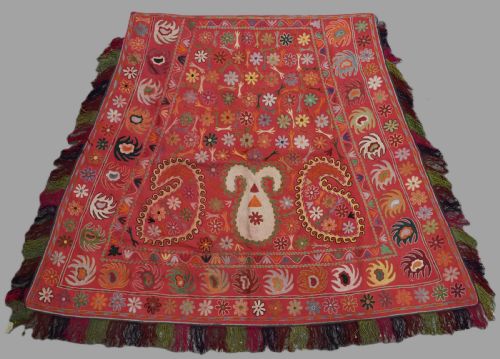
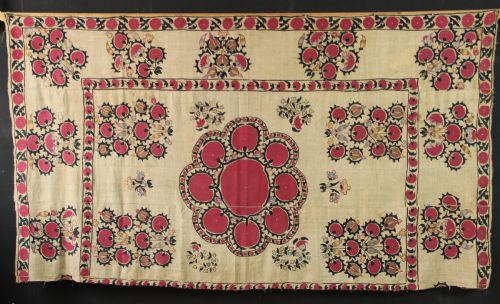
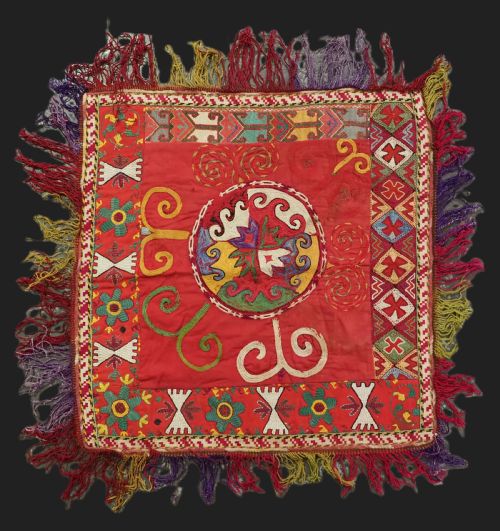

Red Embroidered Asian Textile
A red embroidered asian textile brings intense colour and nomadic heritage into a room through historic silk and wool needlework from Central Asia.
Red Embroidered Asian Textile
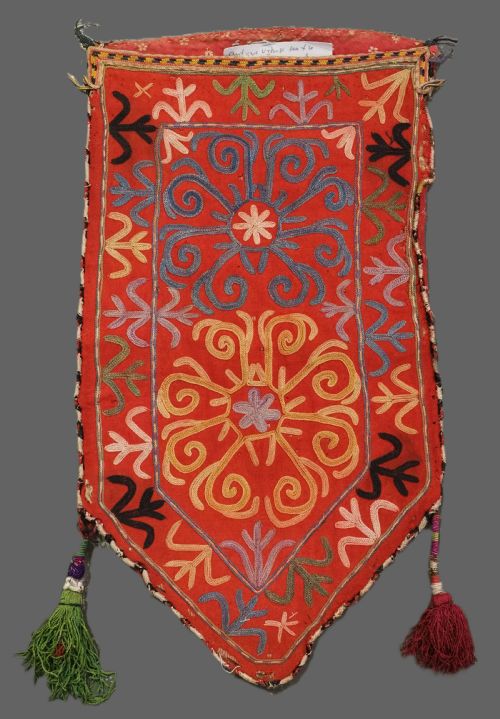
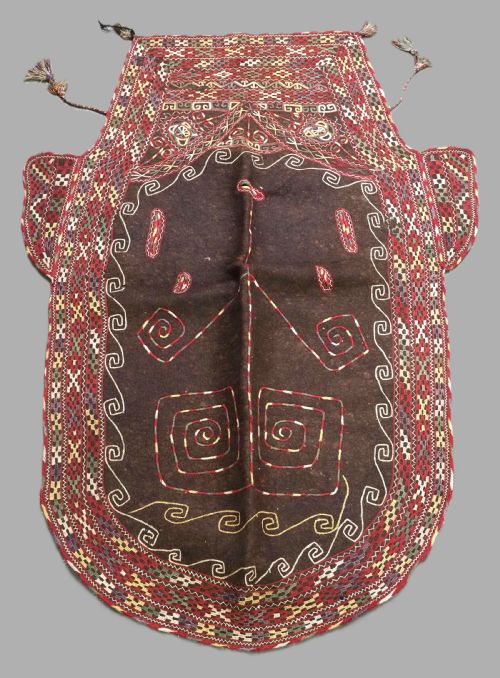
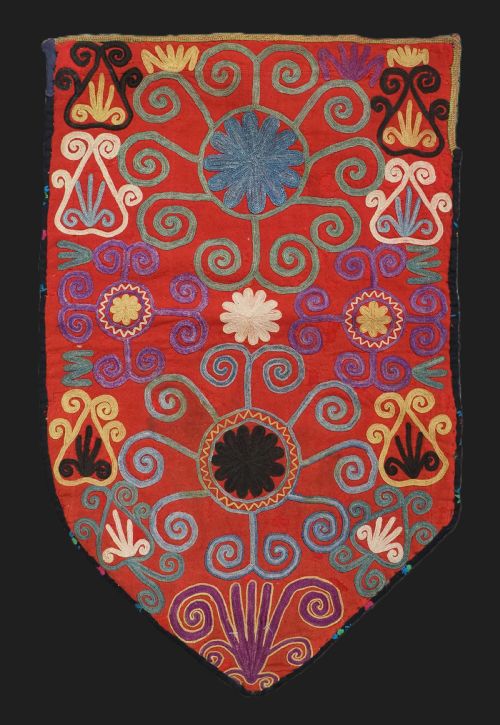
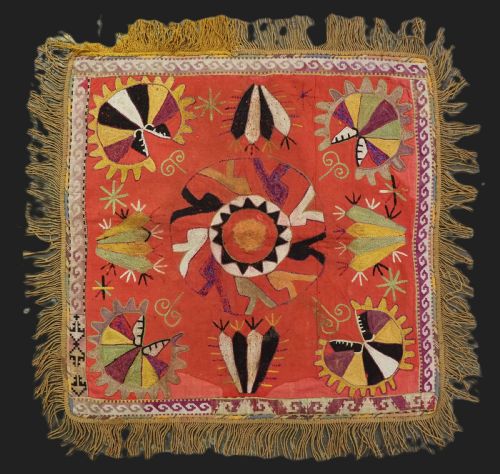
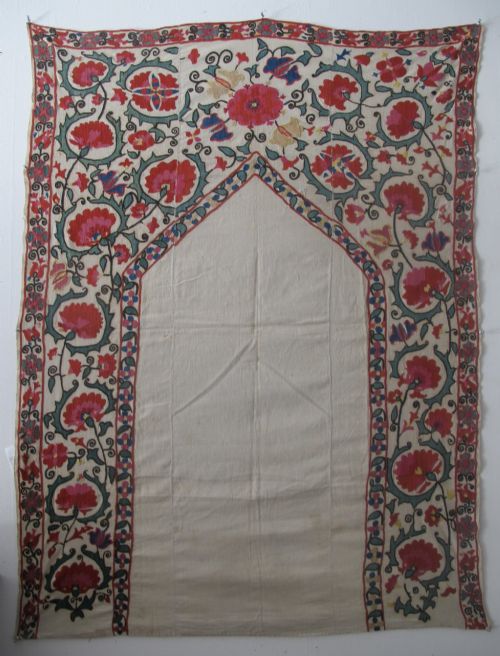
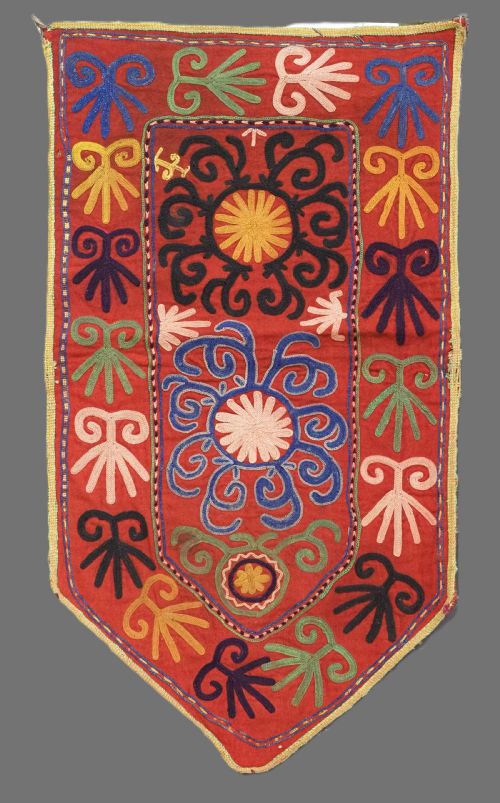
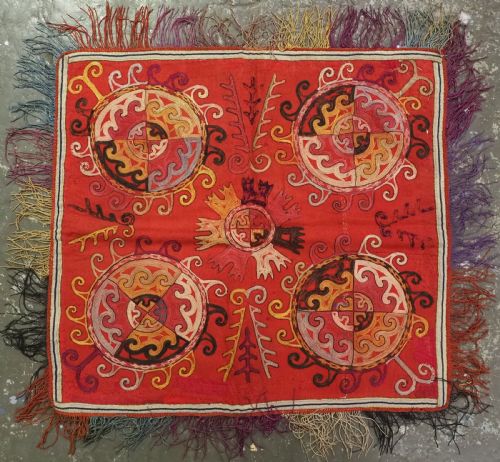
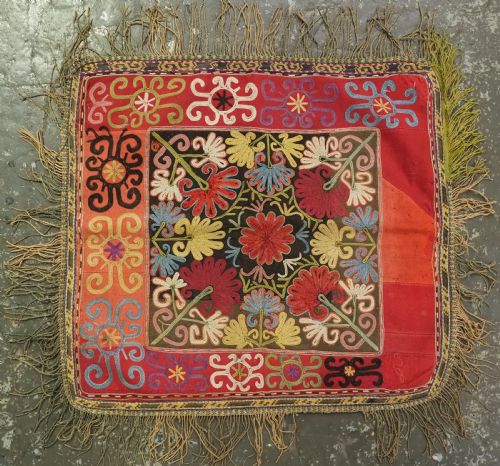
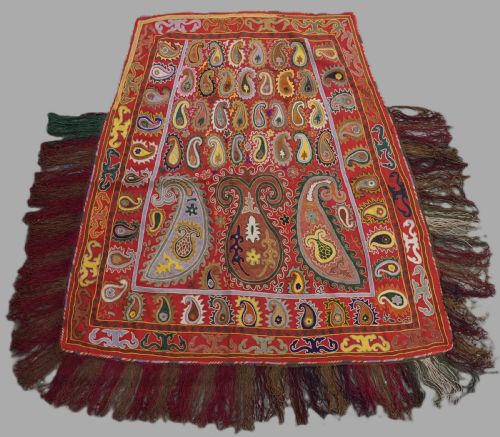
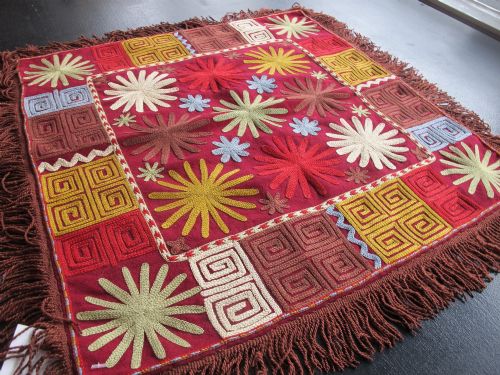
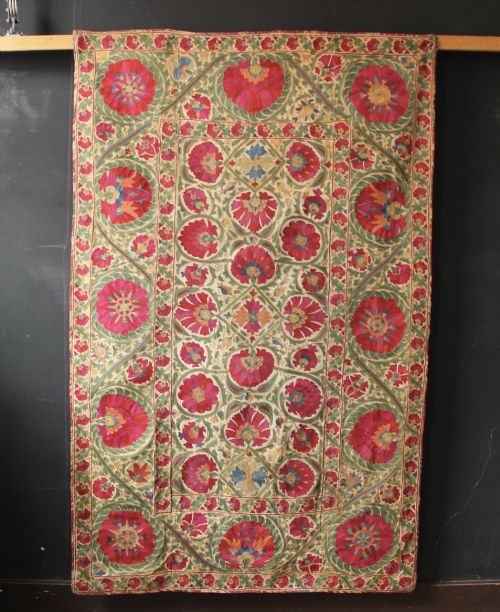
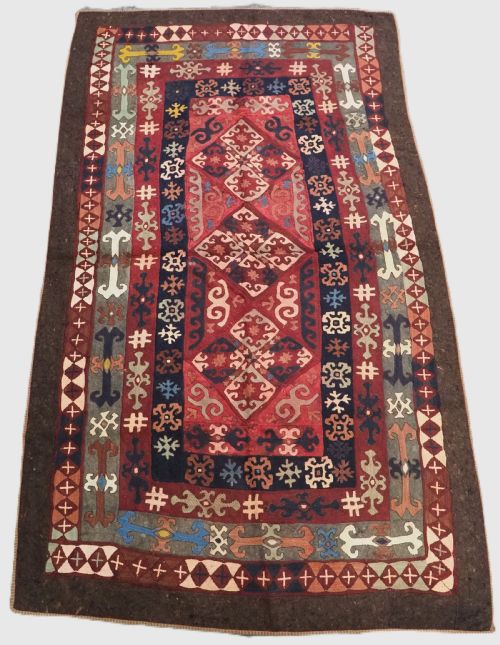
When you examine a red embroidered asian textile, you encounter works originating largely from nineteenth and early twentieth century Central Asia, including Uzbekistan, Turkmenistan, and Kyrgyzstan. The selection focuses on tribal and regional formats such as Suzani wall hangings, Lakai ilgich dowry pieces, ceremonial horse covers, and yurt decorations. These items reflect the nomadic and village traditions of groups like the Lakai, Yomut, and Kirghiz tribes.
The most common items on this page are Uzbek Lakai tribal embroideries and Suzani panels dating from around 1850 to 1930. You will frequently find domestic furnishings, wedding hangings, and ceremonial trappings designed for communal and personal life. Each format preserves specific regional motifs executed in bold local palettes dominated by red grounds.
What varies in quality
Quality in these textiles rests upon the density of the stitchwork and the precision of the tribal design execution. Pieces featuring fine, tightly packed silk threads display superior handcraft compared to loosely stitched examples. The complexity of the composition, such as architectural elements in Suzanis or intricate geometric asymmetry in Lakai work, distinguishes exceptional pieces from standard regional production.
The condition of the ground fabric and the vibrancy of the dyed threads also separate examples across the range. Intact structural integrity, minimal fading of the red wool or cotton grounds, and original applied borders or fringes indicate a better-preserved survival. Master artisans achieved harmonious colour saturation and balanced proportions that elevate certain tribal panels above ordinary domestic pieces.
Nomadic horse blankets doubled as portable art, ensuring that even a tribal steed arrived at the ceremony dressed in fine red embroidery.
The Red Embroidered Asian Textile Glossary
- Suzani
- An embroidered tribal wall hanging originating from Uzbekistan and Tajikistan, traditionally stitched with silk threads on a cotton or linen ground. These large panels formed central parts of a bride's dowry.
- Ilgich
- A small embroidered hanging produced by the Lakai tribe of Uzbekistan, frequently used as a dowry item or wall decoration. They display energetic geometric and figurative motifs.
- Torba
- A small tent-bag or wall hanging used by Turkmen tribes for domestic storage and household decoration. They typically showcase precise goul patterns and skilled border work.
- Chyrpy
- A women's ceremonial sleeveless coat from Turkmenistan, heavily embroidered with silk around the collar and upper back. These garments served as status items during festive community gatherings.
Red Embroidered Asian Textile: Frequently Asked Questions
What is a Suzani?
A Suzani is a large embroidered textile created in regions like Uzbekistan, traditionally worked in silk thread on cotton grounds. Families commissioned these panels as dowry items for weddings.
Historically, makers stitched them in sections before joining the panels together into large wall hangings or bed covers. They bring vibrant floral and geometric motifs into modern interiors.
How were yurt hangings used?
Nomadic communities in Central Asia utilised specialised embroideries like Tush Kyiz and Uut Kap inside their portable round dwellings called yurts. These textiles decorated the interior lattice walls and provided storage solutions.
They functioned as practical household items while simultaneously displaying the needlework skills of the family. Today, collectors mount them on walls as textile art.
How do I date these textiles?
Dating relies on identifying natural dye palettes, textile grounds, and traditional tribal design styles typical of the nineteenth and early twentieth centuries. Earlier pieces from the mid-nineteenth century often feature expansive compositions and specific regional dye signatures.
Examining the wear on the silk threads and the composition of the base cotton or wool helps establish the historical period. Comparing motifs against documented tribal archives confirms the era of production.
How do I care for antique embroidery?
Protect antique textiles by hanging them away from direct sunlight to prevent natural silk and cotton threads from fading. Avoid hanging them in damp environments where wool felt and cotton grounds might attract moisture.
Dust them gently with a soft brush or consult a professional textile conservator for cleaning. Proper framing behind UV-filtering glass ensures safe long-term display.