


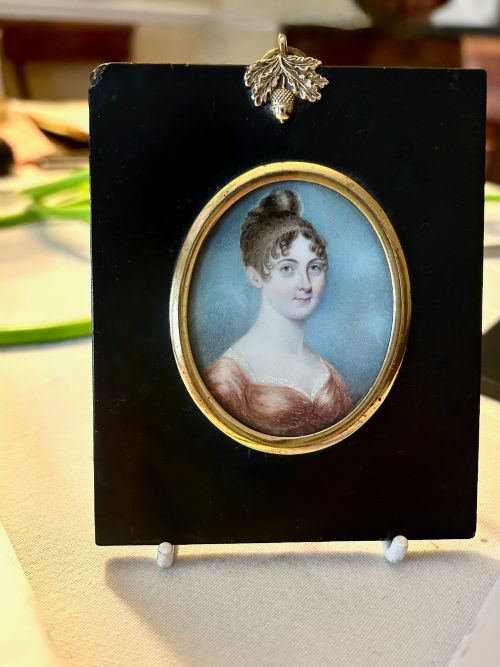
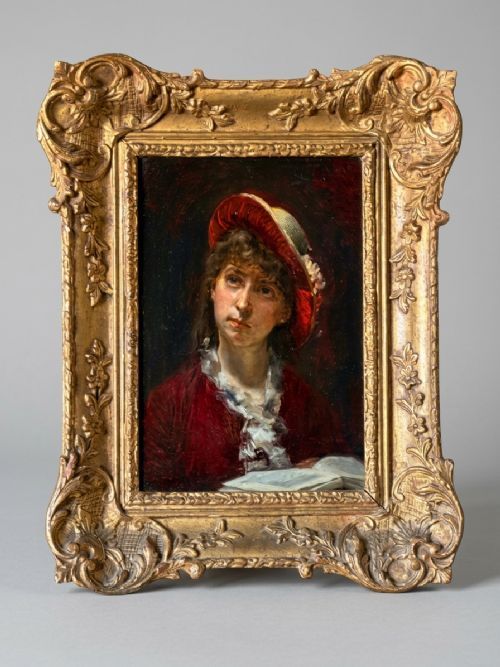
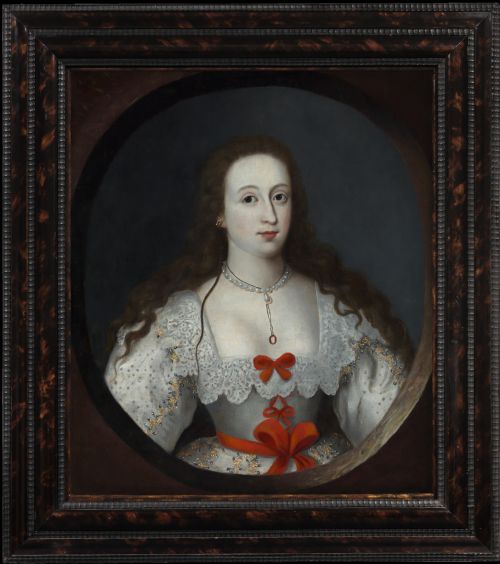
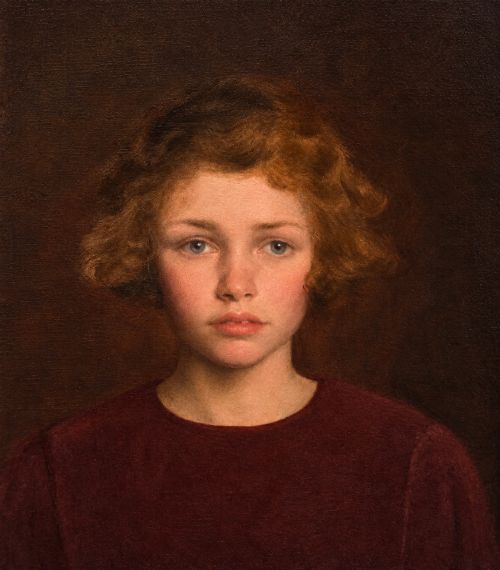
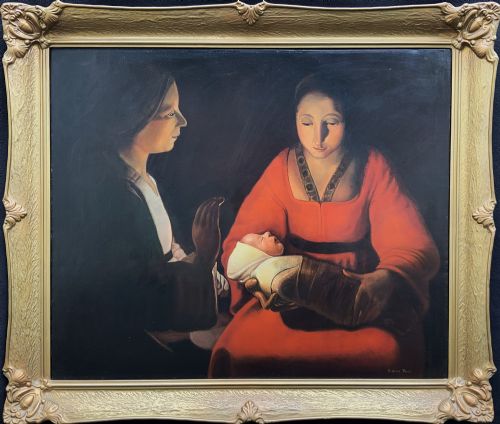

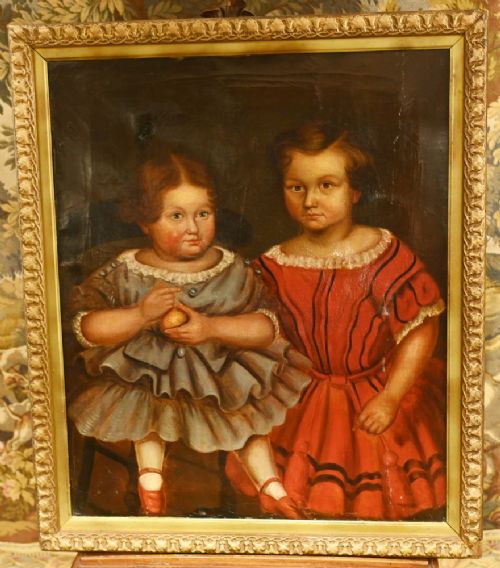
Red Dress Painting
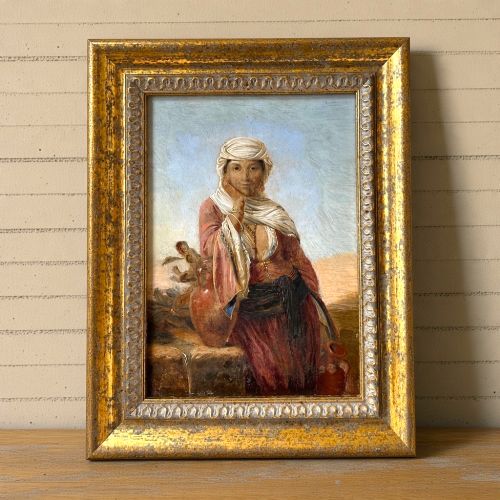
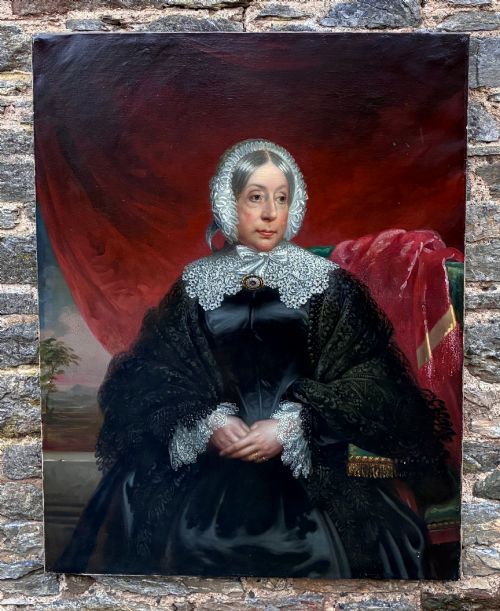
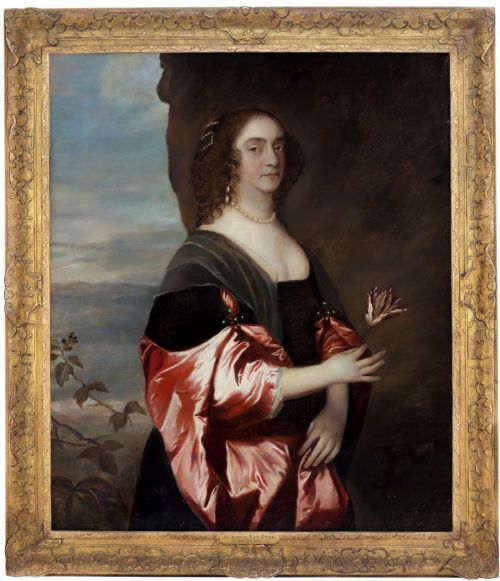
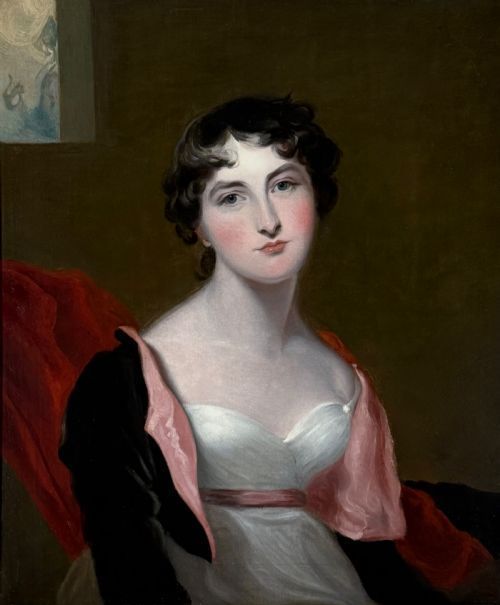
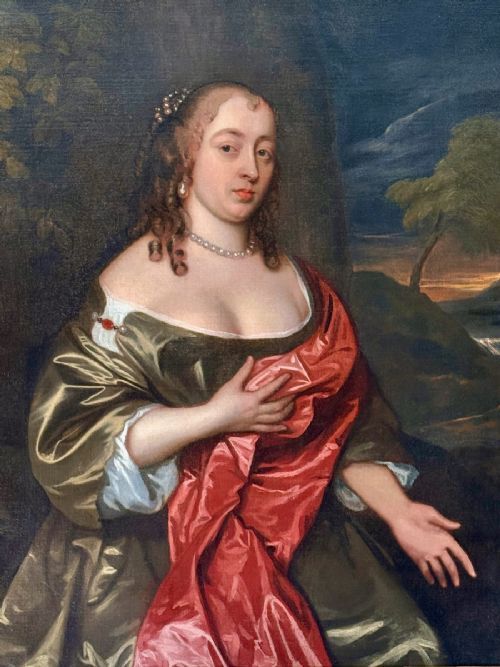
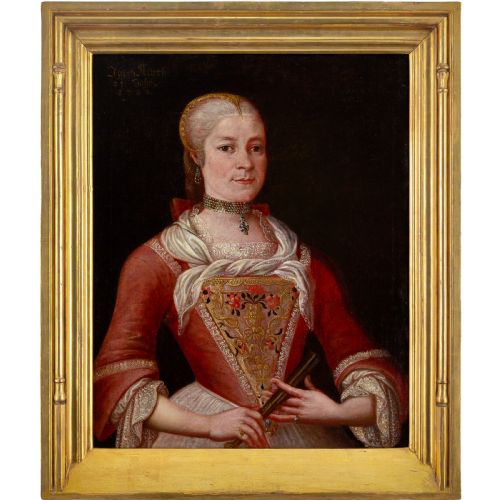
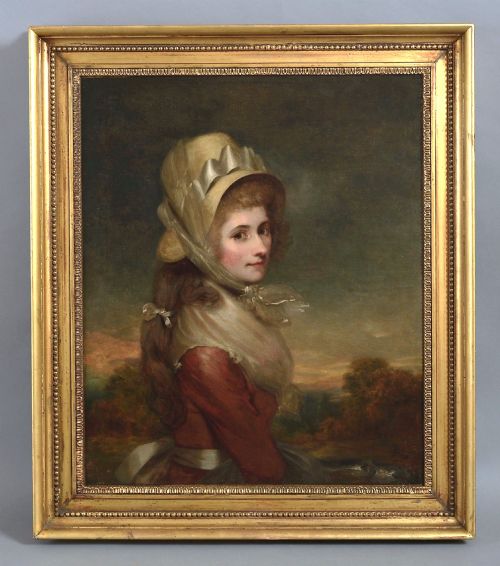
When you search for a red dress painting, you are looking at centuries of portraiture where crimson, scarlet and vermilion garments command the canvas.
Red Dress Painting
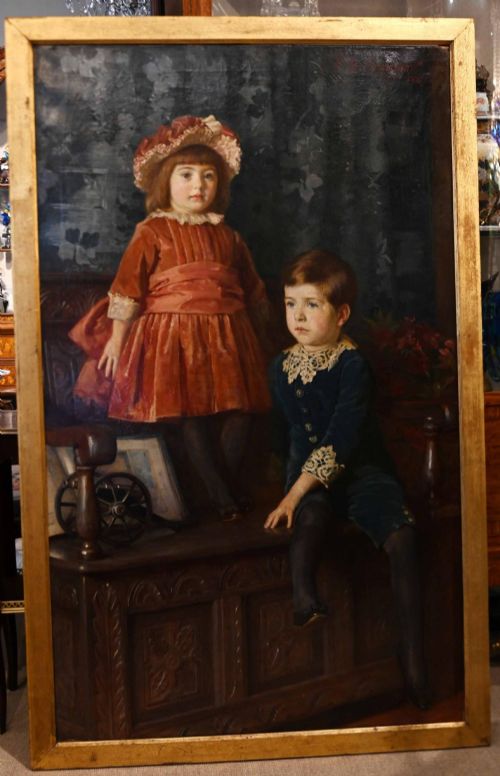
A red dress painting encompasses historic oil portraits and genre scenes originating from the seventeenth century through to the mid-twentieth century. The subjects range from formal depictions of nobility in court dress and military tunics to intimate studies of children and young ladies in vibrant attire.
Most examples found here take the form of oil on canvas paintings, though panel paintings, watercolours and portrait miniatures also appear. The stylistic traditions span from Baroque and Jacobean portraiture to nineteenth-century realism, Impressionism and early twentieth-century modernist schools.
Materials and construction
The physical foundation typically consists of oil paint applied to stretched canvas or wooden panels, framed in period giltwood, gesso or moulded wood. Pigments like vermilion and red lake created the rich crimson textiles seen in aristocratic gowns and ceremonial robes.
Supporting elements such as stretchers, brass hardware and canvas weaves reveal the age of each piece, while secondary materials like lacquer and giltwood appear on related furniture items within the broader selection.
Red Dress Painting Retail Price Guide 2026
Typical asking prices for red dress painting among the pieces listed under this phrase on Sellingantiques today, from the lower quarter to the upper quarter. They describe what is for sale here now, not the wider market.
Several sitters share the frame with unexpected companions, including king charles spaniels, exotic birds, and occasionally a startled-looking child holding a playing card.
Judging quality in these works
The distinction between ordinary and exceptional works rests upon the confidence of the brushwork and the anatomical precision of the sitter. Master painters achieved depth in drapery through subtle layering of red pigments rather than flat washes of colour.
Condition and originality dictate the integrity of a painting, with untouched original surfaces and period frames carrying greater historical weight than later restorations or replacement stretchers.
Cornelius Johnson·Pierre Mignard·John Hayls·Sir Martin Archer Shee·Michael Dahl·Pieter Nason
The Red Dress Painting Glossary
- Oil on canvas
- A painting technique where pigments suspended in drying oils are applied to a woven fabric support. This method allowed artists to achieve rich tonal gradations in heavy fabrics.
- Portrait miniature
- A small, highly detailed painting, usually executed on ivory, vellum or card. These intimate works were often created as personal tokens during the eighteenth and nineteenth centuries.
- Giltwood frame
- A wooden picture frame coated with gold leaf over a prepared gesso ground. These frames often reflect the specific decorative style of the period in which the artwork was created.
- Provenance
- The documented history of ownership of an artwork. A clear provenance helps verify the authenticity and age of historic portraits.
- Impressionism
- A nineteenth-century art movement characterised by relatively small, thin yet visible brush strokes and an emphasis on accurate depiction of light. Works in this style capture transient moments in domestic or outdoor settings.
Red Dress Painting: Frequently Asked Questions
How do I date an old portrait?
Dating relies on examining the sitter's costume, hairstyle and collar shape, which changed rapidly across decades. Canvas construction, stretcher types and framing styles provide additional chronological clues.
Signatures, inscriptions on the reverse and recorded exhibition labels can further narrow down the exact decade of creation.
What is the difference between oil on canvas and panel?
Oil on canvas involves stretched fabric that responds to humidity shifts and requires careful handling of the rear support. Panel paintings use solid wood boards, which offer a rigid surface but remain susceptible to splitting if environmental conditions fluctuate.
Both supports were used across centuries, with panels more common in earlier works and canvas predominating from the seventeenth century onward.
How should I care for an antique painting?
Historic paintings require stable indoor humidity and temperature to prevent the canvas from slackening or the wooden panel from warping. Direct sunlight should be avoided to protect sensitive red pigments from fading over time.
Dusting should be performed gently with a soft, dry brush, avoiding any moisture or commercial cleaning solutions on the painted surface.
What does attribution to a school or circle mean?
Attribution to a specific school indicates that an anonymous artist worked within the geographical region and artistic style of that tradition during the stated era. A work from the circle of a master suggests an artist trained by or working closely alongside that named figure.
These designations help classify historic works when direct signatures are absent.