


Red Art Glass
Red art glass captures light in deep crimson and ruby tones, offering striking visual presence through pieces designed across the Victorian, Art Nouveau and Art Deco periods.
Red Art Glass
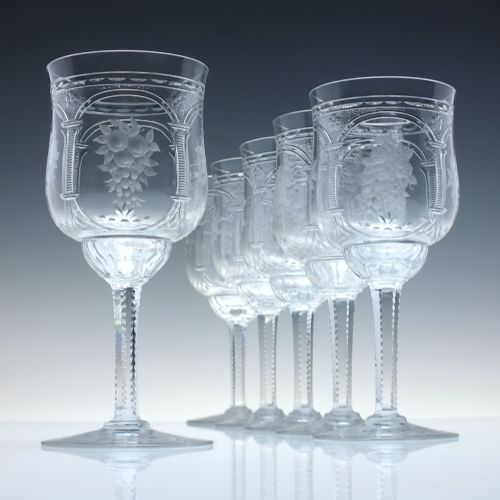
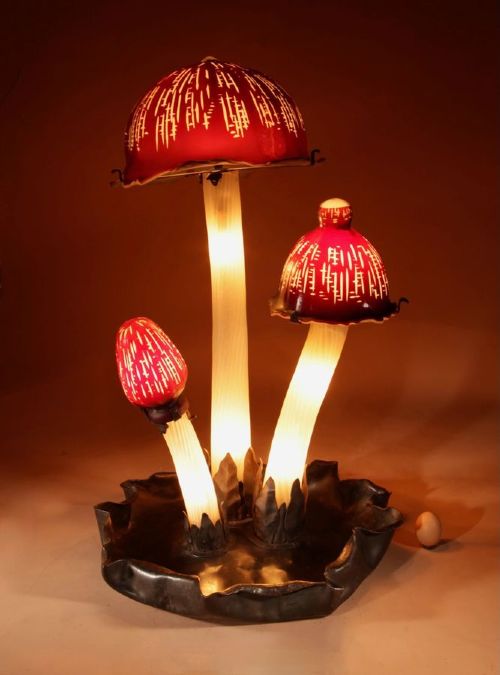
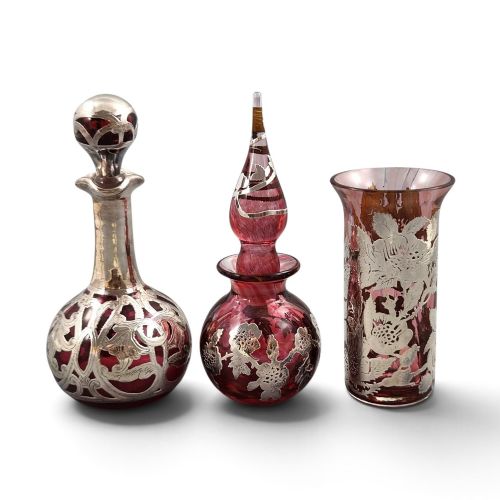
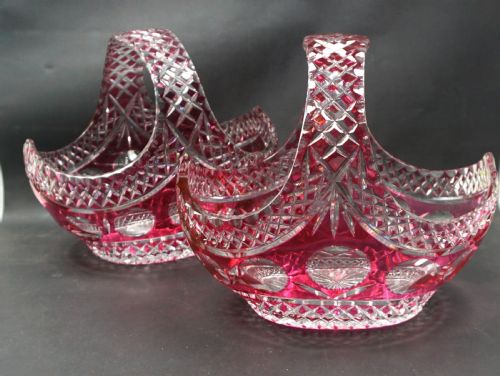
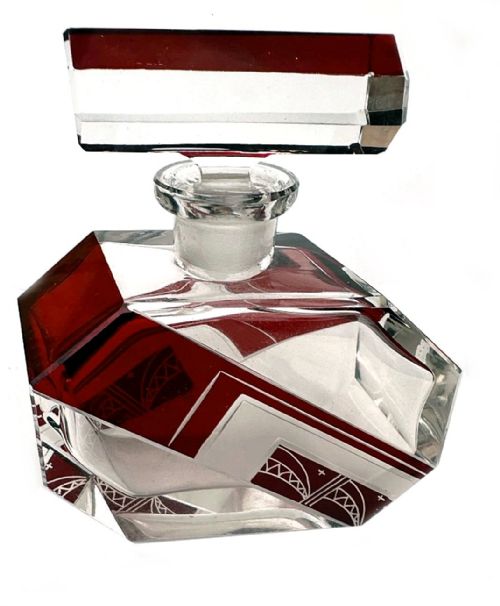
Red art glass encompasses vases, perfume bottles, wine goblets and decorative bowls originating from European and British makers active during the late nineteenth and early twentieth centuries. These objects take many forms, from trumpet vases and baskets to geometric vessels, utilising rich coloured matrices that catch daylight and interior illumination alike.
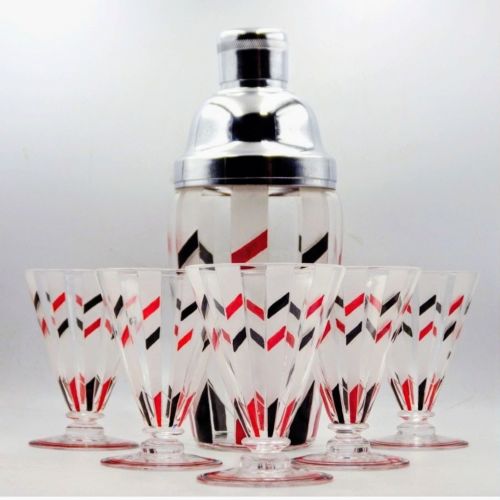
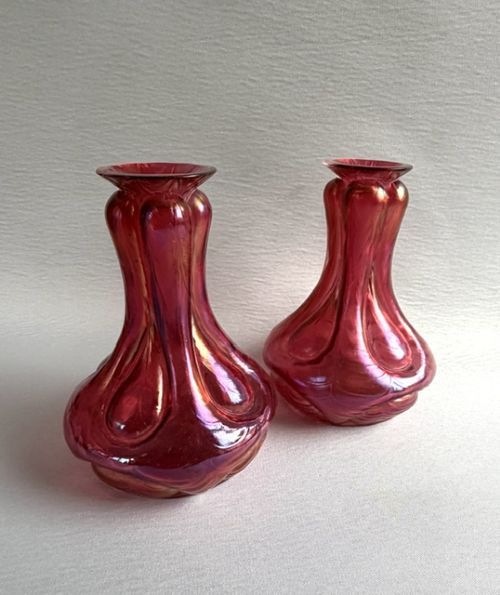
The versions most frequently encountered on this page belong to the Art Nouveau and Art Deco movements, alongside Victorian cranberry glass pieces. Makers produced these items using specialised glassblowing, overlay and cameo techniques to achieve intense hues and patterned surfaces.
How they were made
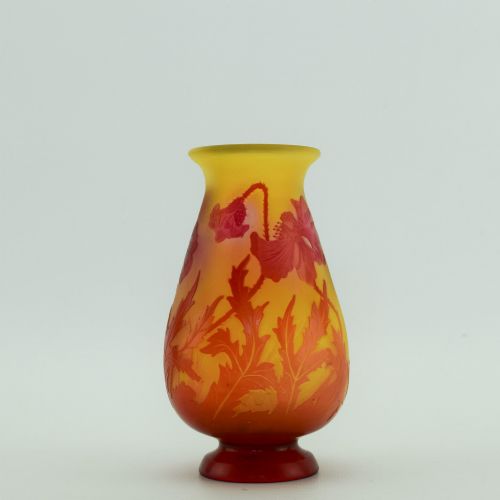
Glassmakers created these objects using lead crystal, cameo glass and layered over-crystal techniques, combining molten materials while hot to form distinct coloured strata. Acid-etching and enamelling were then applied to cut through layers or add surface decoration such as floral motifs and geometric designs.
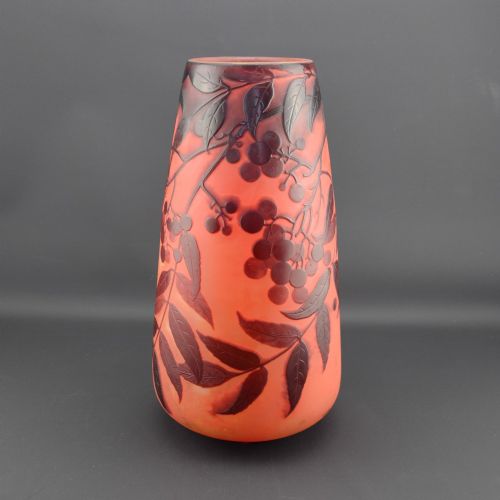
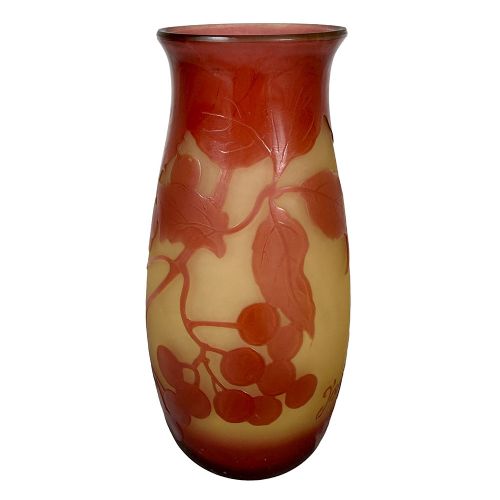
Techniques like cameo carving required skilled artisans to work down through overlapping layers of glass of different colours, revealing striking contrast between the red design and a lighter background. Enamel decoration and gold detailing were subsequently fired onto the surface to finish specific vases and bottles.
Red Art Glass Retail Price Guide 2026
Typical asking prices for red art glass among the pieces listed under this phrase on Sellingantiques today, from the lower quarter to the upper quarter. They describe what is for sale here now, not the wider market.
Current listings feature glass from the 1880s to the 1930s, encompassing Victorian cranberry wares alongside Art Nouveau cameo pieces and Art Deco perfume bottles.
What varies in quality
Quality in these objects rests upon the depth of the glass colour, the precision of the cameo carving or acid etching, and the hand-applied enamel or gold details. Master workshops achieved sharper definition in layered glass and greater tonal resonance in the red matrix compared to standard production pieces.
The reputation of the designer and the studio dictates distinction, with signed works from established glasshouses demonstrating superior execution in form and surface finish. Balance in proportions and crispness in executed motifs separate exceptional examples from simpler decorative wares.
Val St Lambert·D Argental·Baccarat·Karl Palda·Galle·Thomas Webb And Sons·Daum Freres
The Red Art Glass Glossary
- Cameo glass
- A form of art glass created by fusing layers of different coloured glass together before carving or acid-etching away portions to reveal a contrasting design. This technique allows intricate multi-layered relief patterns to stand proud of the background.
- Cranberry glass
- A type of transparent red glass produced by adding gold chloride to the molten batch during the Victorian era. It ranges in shade from pale pink to deep ruby.
- Lead crystal
- A high-clarity glass containing metal oxide that increases weight, brilliance and refractive index. It provides a solid foundation for deep cutting and vibrant colour saturation.
- Acid-etched glass
- Glass treated with hydrofluoric acid to eat away exposed surfaces, creating frosted textures or recessed patterns. This method enabled makers to achieve complex designs without manual wheel-engraving.
Red Art Glass: Frequently Asked Questions
How do I clean red art glass?
Wash pieces gently by hand using lukewarm water and a mild detergent. Avoid harsh scrubbers and extreme temperature changes to protect the delicate surface and any enamel or gilt details.
Dry the glass carefully with a soft lint-free cloth to maintain its polished sheen and prevent water spots from forming on the coloured surface.
What is cranberry glass?
Cranberry glass is a transparent red material coloured with gold, popular during the Victorian period for tableware and decorative items like vases and rolling pins. Its distinct hue ranges from soft pink to rich crimson depending on the concentration of gold.
Victorian makers often shaped this glass into fluted or trumpet forms, letting the natural warmth of the colour dominate the display.
How is cameo glass made?
Cameo glass involves blowing a vessel with two or more distinct layers of contrasting colours, typically a red body beneath a lighter outer casing. Artisans then carve or acid-etch away the outer layer to expose the red design underneath.
This labor-intensive process demands exceptional skill to ensure consistent depth and sharp contrast across the entire surface of the vase or bowl.
Where were these pieces produced?
These decorative objects originated primarily in European glassmaking centres, with prominent workshops operating in France, Belgium and Bohemia throughout the nineteenth and early twentieth centuries. Notable makers included Gallé, Daum Frères and Val St. Lambert.
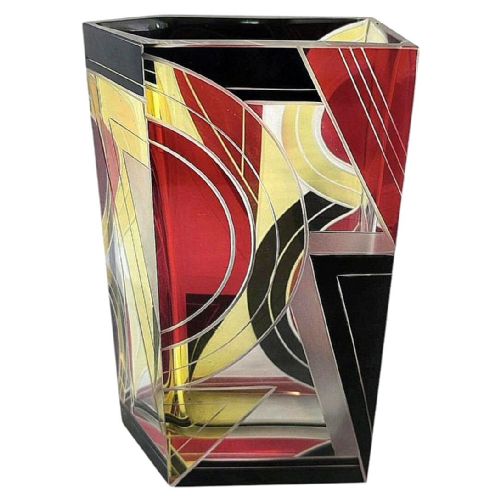
Each region developed distinct stylistic traits, ranging from the naturalistic floral motifs of Art Nouveau to the clean geometric lines favoured by Art Deco designers.