


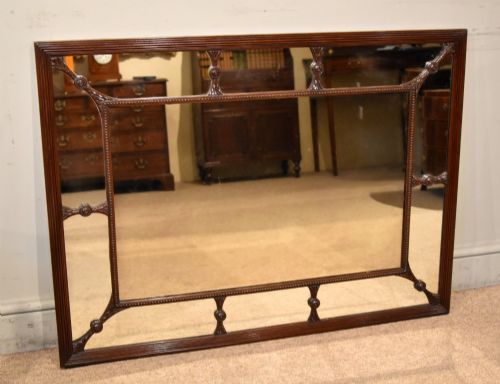
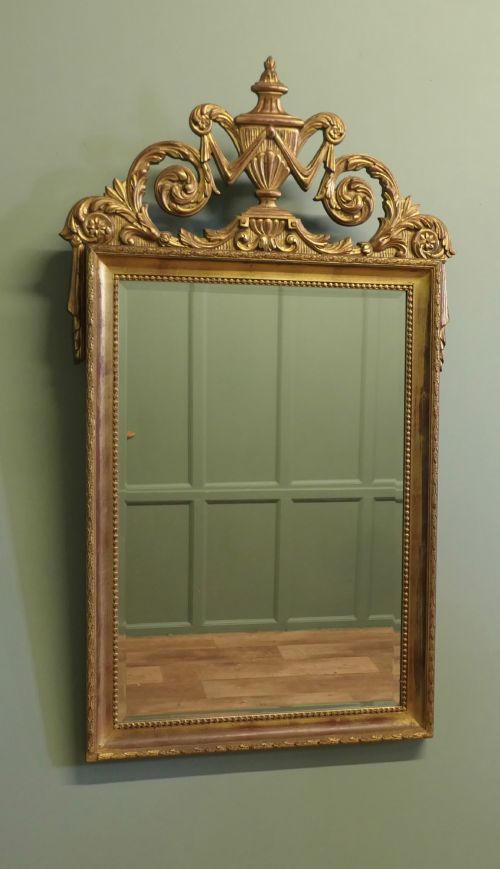

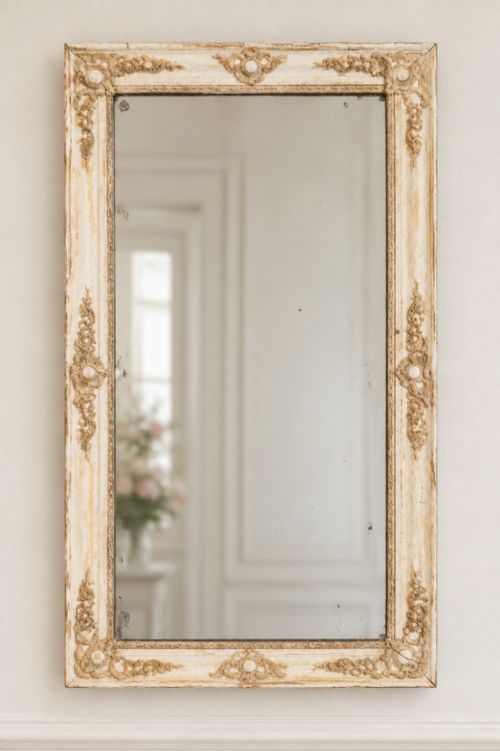
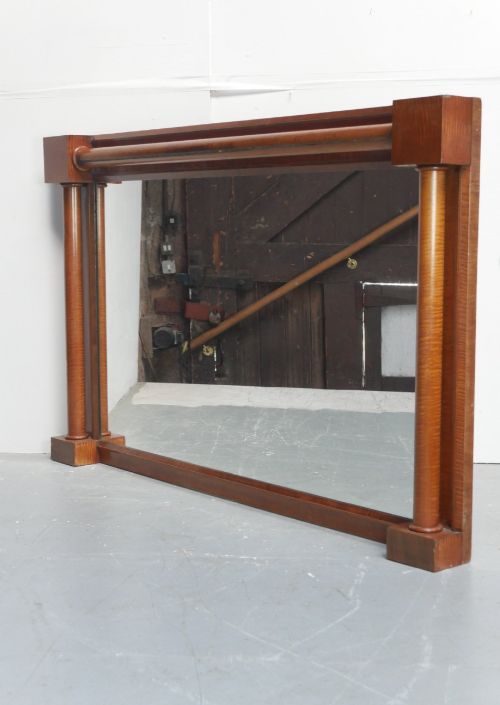
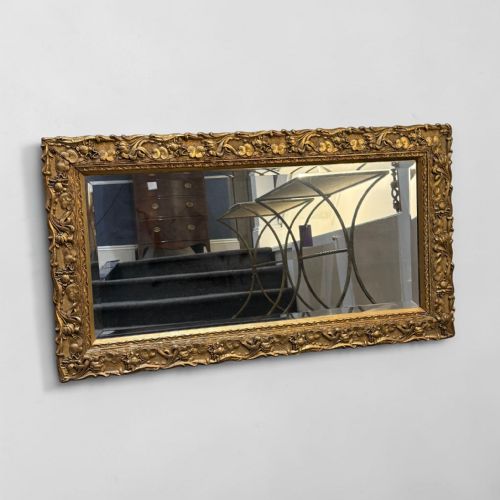
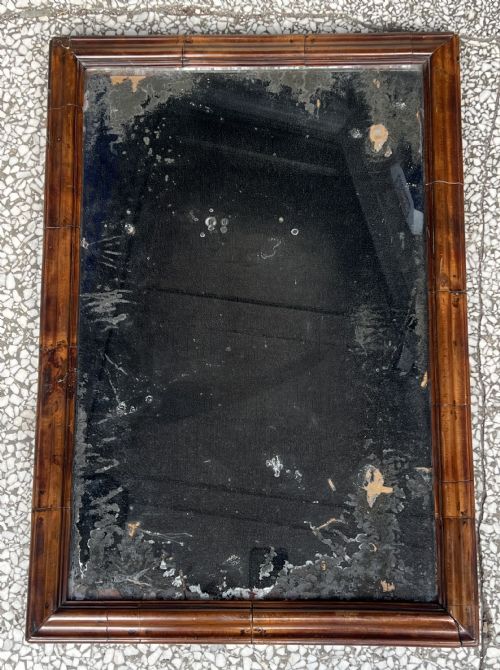
Rectangular Wood Mirror
These rectangular wood mirror pieces bring architectural weight and bright reflection into a room, drawn mostly from nineteenth-century European workshops.
Rectangular Wood Mirror
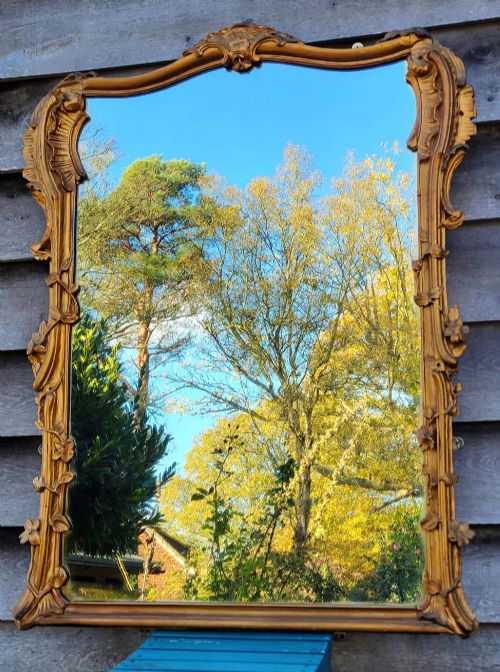
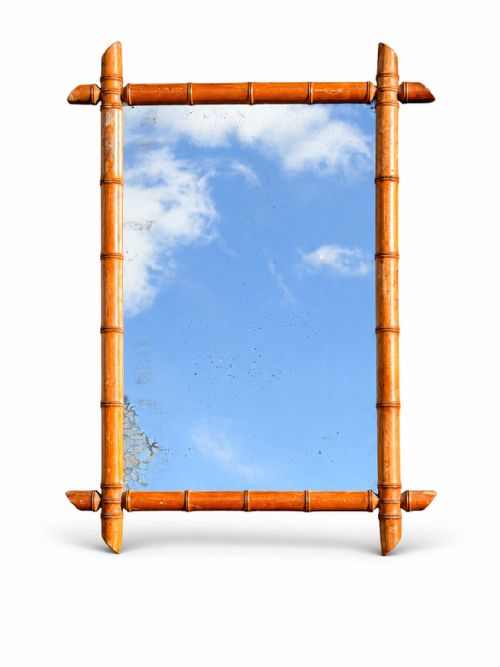
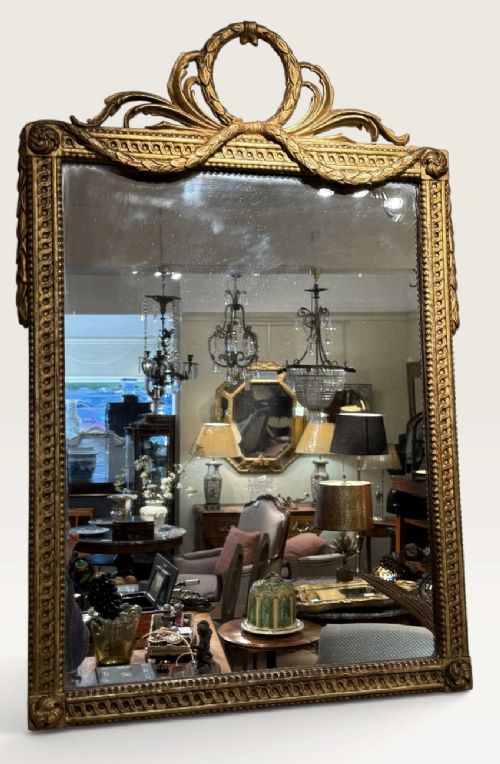
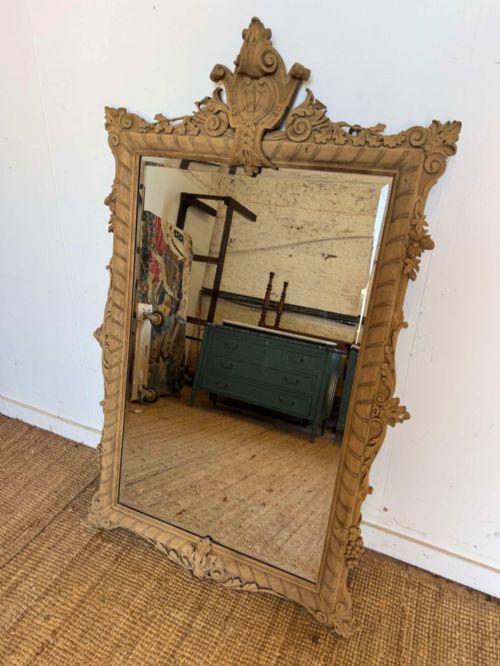
A rectangular wood mirror is a functional and decorative wall furnishing designed to bounce light and anchor an interior scheme. The form appears across multiple European traditions, ranging from heavy French chateau leaners and overmantels to smaller Italian box frames.
Most examples encountered on this page date from the nineteenth century, including Victorian English pieces and French neoclassical designs. Makers also worked within specific regional idioms, producing items shaped from oak, walnut, maple, and satin birch.
The format serves different domestic roles, operating as a tall pier glass between windows, a landscape overmantel above a fireplace, or a simple wall hanging in a hallway. Scale varies significantly, from compact dressing mirrors to monumental full-length frames.
Materials and construction methods
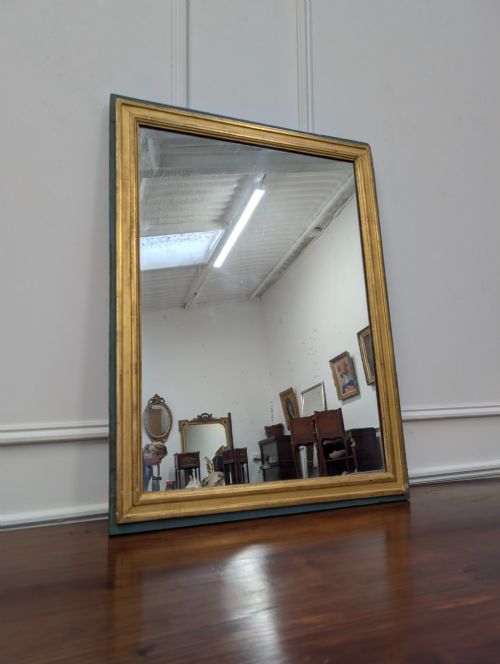
Carpenters built the foundational frames using solid timbers such as oak, walnut, satin birch, and maple, often applying gesso to smooth the surface before ornamentation. Gilders then added gold leaf or silver gilt directly onto the prepared wooden substrate.
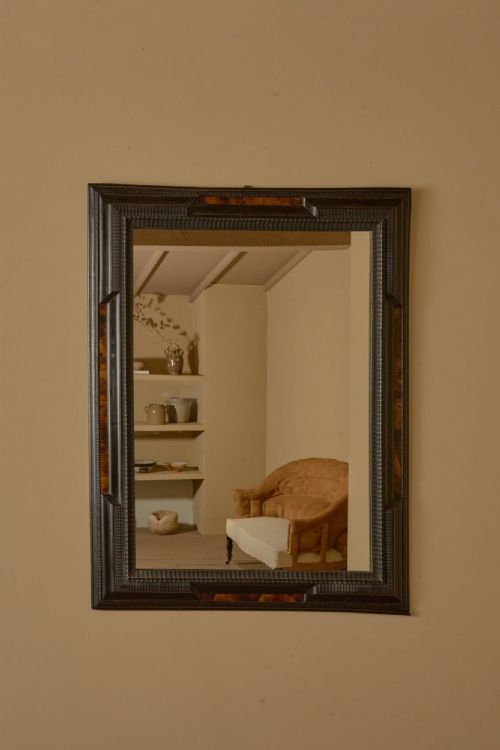
Decorative finishes frequently involved paint, ebonising, or imitation effects like faux marble and faux tortoiseshell. Mirror glass of the period was housed securely within the timber rebate, sometimes accompanied by original brass mounts or iron hanging hardware.
Rectangular Wood Mirror Retail Price Guide 2026
Typical asking prices for rectangular wood mirror among the pieces listed under this phrase on Sellingantiques today, from the lower quarter to the upper quarter. They describe what is for sale here now, not the wider market.
Several pieces arrive bearing Kashmiri origins from around nineteen hundred, bringing distant craftsmanship into traditional European framing.
Evaluating craftsmanship and execution
Quality rests upon the depth and precision of the hand-carved wood elements, particularly where floral or neoclassical motifs adorn the corners and crests. Crisp detailing in the moulding separates standard production frames from more ambitious artisan work.
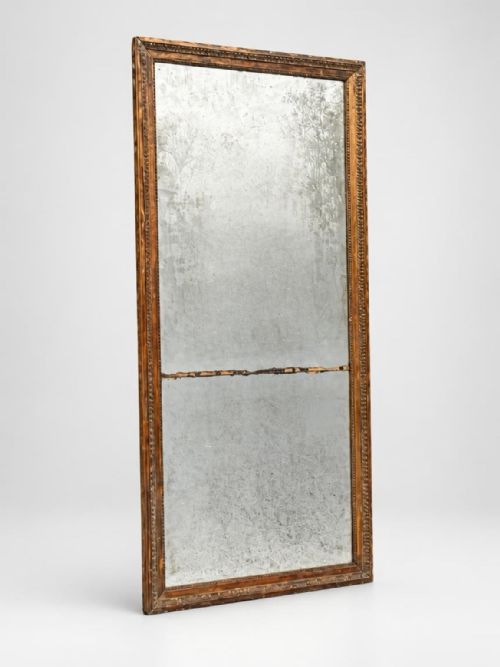
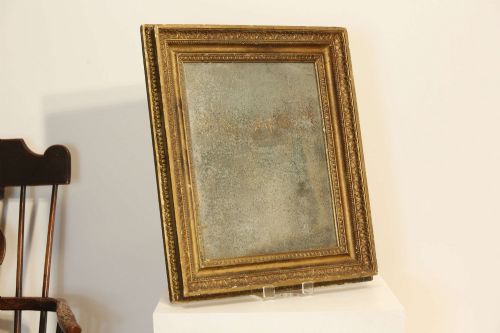
The integrity of the surface treatment defines the upper tier of pieces, whether through the fine application of gold leaf, controlled ebonising, or hand-painted faux finishes. Original mirror glass exhibiting natural foxing also influences the character of the object.
The Rectangular Wood Mirror Glossary
- Giltwood
- Wood that has been coated with a thin layer of gold leaf or gold paint. This technique creates a luminous finish characteristic of formal nineteenth-century interiors.
- Gesso
- A plaster-like mixture applied to wood frames to create a smooth base for gilding and carving. It allows artisans to shape intricate relief ornamentation.
- Trumeau
- A decorative mirror paired with a painted panel or oil painting within a single frame. These tall pieces were traditionally hung between windows in French rooms.
- Overmantel mirror
- A wide horizontal glass designed specifically to hang above a fireplace mantelpiece. They often feature extended wooden frames that match the proportions of the hearth.
- Ebonised wood
- Timber treated with a chemical stain or black finish to imitate expensive ebony. The dark, polished surface was popular in Italian and Victorian design.
Rectangular Wood Mirror: Frequently Asked Questions
How do I hang a heavy wooden mirror safely?
Heavy wooden frames require secure wall fixings screwed directly into structural studs or masonry rather than standard plasterboard anchors. Professional mirror hangers usually employ heavy-duty steel brackets or mirror plates attached to the solid timber backing.
Ensuring the hanging wire or integrated D-rings match the total weight of the glass prevents structural strain. Positioning the piece at eye level balances the visual mass within the room.
Where should I place a large overmantel mirror?
An overmantel mirror sits naturally above a fireplace mantelpiece, reflecting light from opposing windows across the room. This placement expands the visual volume of smaller spaces and creates a traditional architectural focal point.
Alternatively, hanging the piece vertically in a hallway or leaning it against a living room wall alters the proportions of the interior. The heavy wooden frame anchors the vertical plane against neutral walls.
How do I clean antique mirror glass?
Antique glass requires gentle cleaning using a soft microfiber cloth and a mild, ammonia-free cleaning solution sprayed onto the cloth rather than the glass. This prevents moisture from seeping behind the plate and damaging the silvering or the wooden rebate.
Preserving the natural foxing and age spots on older mirror plates maintains the historical character of the piece. Vigorous scrubbing should be avoided to protect both the glass and the surrounding frame finish.
How can I tell a nineteenth-century mirror from a modern reproduction?
Nineteenth-century mirrors typically feature hand-beveled or hand-blown glass plates showing minor imperfections, bubbles, and natural foxing. The wooden backs often consist of aged boards secured with old hand-cut or early machine-made screws.
Modern reproductions frequently use uniform, flawless glass and machine-milled backboards with contemporary fixings. Examining the joinery and the composition of the gesso or gilding reveals the age of the materials.