






Reclining Nude Art
Reclining nude art captures the human form at rest, offering enduring elegance through bronze figures and oil paintings.
Reclining Nude Art
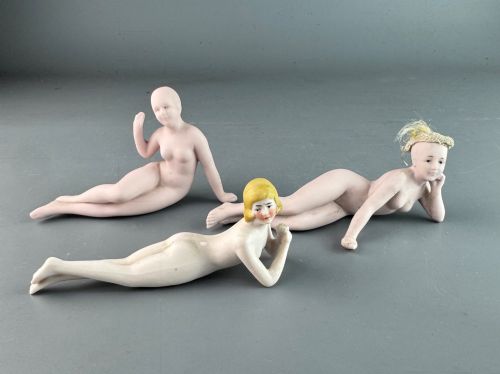
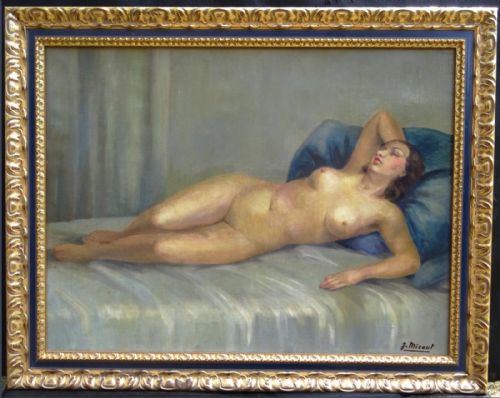
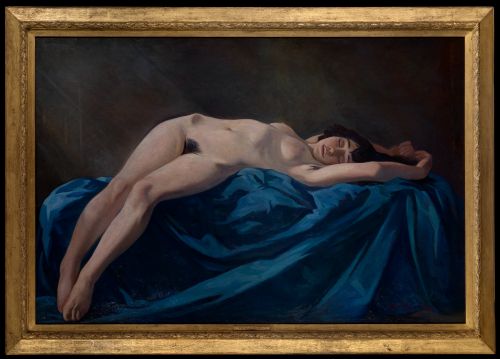
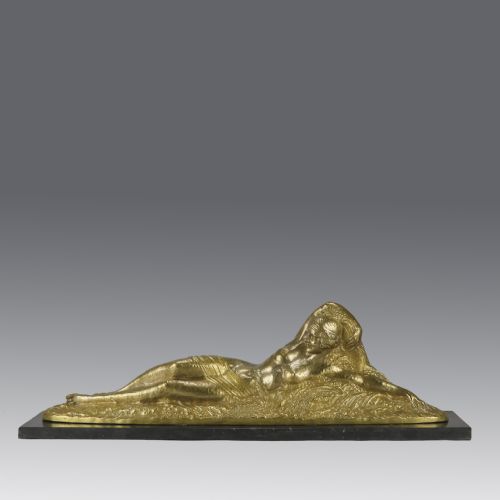
Reclining nude art encompasses sculptures and paintings created across the nineteenth and twentieth centuries. These pieces portray the female figure at rest, drawing on classical traditions and modernist sensibilities alike.
The selections available range from French bronze sculptures and nineteenth-century canvas works to Art Deco figures and mid-century charcoal studies. Buyers encounter diverse interpretations spanning Neoclassical, Belle Epoque, and Modern British styles.
Sculptural forms often incorporate materials such as marble, onyx, and giltwood alongside bronze and spelter. Paintings are represented through oil on canvas and charcoal drawings on paper.
Materials and construction methods
Sculptural works utilise traditional casting methods in bronze and spelter, frequently mounted upon heavy stone bases like marble and onyx. Surface patination techniques give these metals varied tones, from deep patinas to gilt finishes.
Painted works employ oil paint on canvas, sometimes laid onto board, capturing texture and depth through layered brushwork. Drawings utilise charcoal and chalk on paper, focusing on tonal contrast and line work for life studies.
Reclining Nude Art Retail Price Guide 2026
Typical asking prices for reclining nude art among the pieces listed under this phrase on Sellingantiques today, from the lower quarter to the upper quarter. They describe what is for sale here now, not the wider market.
Listings feature works in bronze, canvas, marble, and charcoal spanning the nineteenth and twentieth centuries.
Distinctions in quality
Quality rests upon the precision of the casting or the surety of the brushwork, where finer pieces demonstrate anatomical conviction and expressive character. Master sculptors and established painters achieve fluid lines and balanced proportions that lesser works miss.
The integrity of the materials, from the grade of the cast bronze to the stability of the canvas support, determines longevity and presence. Original patination and signed compositions carry greater weight than later or unsigned reproductions.
Demetre Chiparus·Josef Lorenzl·Sibylle May·James Pradier·Ugo Cipriani
The Reclining Nude Art Glossary
- Bronze
- A copper and tin alloy prized for durability and fine detail in sculpture. It allows artists to capture subtle musculature and smooth contours.
- Spelter
- A zinc alloy commonly utilised as a less costly alternative to bronze for decorative figurines. It frequently receives a bronze-coloured surface finish.
- Patina
- The surface coloration and sheen developed naturally over time or applied chemically to metal. It enhances visual depth and highlights sculptural details.
- Oil Paint
- Pigment mixed with a drying oil, typically linseed, used on canvas or board. This medium allows for rich colour blending and textured applications.
- Art Deco
- A design style from the early twentieth century characterised by stylised forms and geometric symmetry. It heavily influenced European sculpture and painting.
Reclining Nude Art: Frequently Asked Questions
How do I date a bronze sculpture?
Dating relies on stylistic markers, foundry marks, and the quality of the surface patination. Examining the casting technique provides further clues regarding the era of production.
Early twentieth-century pieces often reflect Art Deco geometry, while nineteenth-century works lean towards classical or romantic forms.
Where should I display a reclining figure?
Sculptures require stable surfaces like sideboards or mantelpieces where the three-dimensional form can be viewed from multiple angles. Adequate lighting enhances the metallic patinas and stone bases.
Paintings and drawings benefit from wall spaces away from direct sunlight to protect canvas and paper from fading.
Are these works original pieces?
The listings comprise original paintings, drawings, and period sculptures created by listed artists and makers. Each medium carries distinct evidence of the artist's hand and period manufacturing methods.
Signatures, foundry stamps, and material tests help confirm the authenticity of individual works.
What is the difference between bronze and spelter?
Bronze is a robust copper alloy capable of holding sharp sculptural details and ageing with a stable patina. Spelter is a softer zinc-based alternative that feels lighter and requires careful handling.
Art Deco figurines frequently utilised both metals depending on the intended market value.