



Reclaimed Pine Furniture
Reclaimed pine furniture brings utilitarian strength and salvaged character into modern interiors through repurposed timber.
Reclaimed Pine Furniture
Reclaimed pine furniture encompasses robust seating, storage, and architectural salvage repurposed from institutional, maritime, and industrial settings. Buyers searching for reclaimed pine furniture will encounter items originating primarily from the nineteenth and early twentieth centuries.
The selection on this page leans heavily toward church pews, workbenches, and chests of drawers. Pieces like chapel pews and industrial benches dominate the offerings, reflecting a strong emphasis on utilitarian timber objects.
Origins span British and Scandinavian country traditions alongside maritime and industrial contexts. This variety ensures that forms range from simple domestic storage to heavy workshop benches and architectural screens.
Materials and construction
Construction relies primarily on solid pine and pitch pine, often paired with iron and metal hardware for structural integrity. Timber surfaces receive protective finishes such as wax to preserve the grain and historical patination.
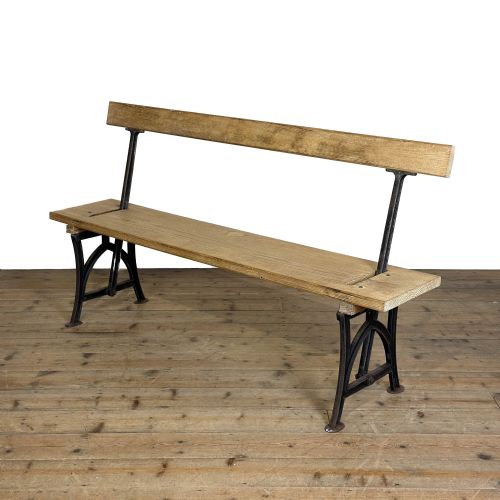
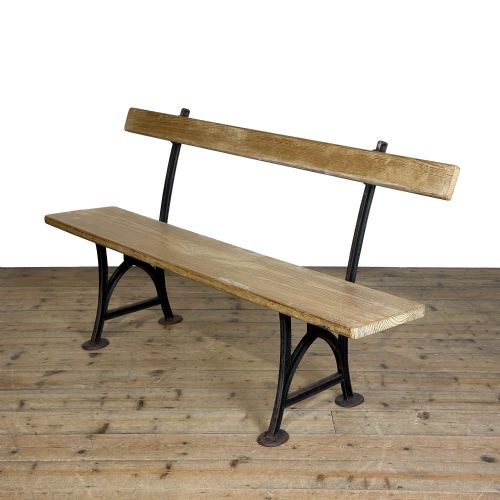
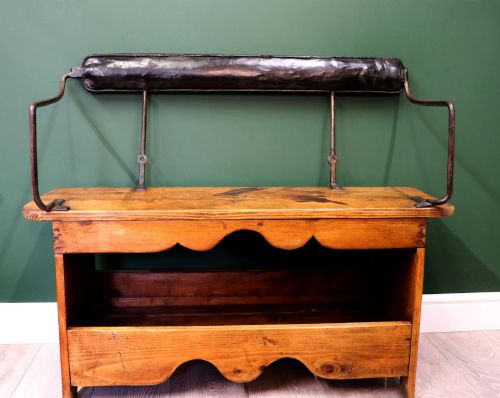
Makers utilised durable joinery suitable for heavy daily use in ecclesiastical and industrial environments. Secondary materials like leather appear alongside cast iron components in tables and garden furniture.
Reclaimed Pine Furniture Retail Price Guide 2026
Typical asking prices for reclaimed pine furniture among the pieces listed under this phrase on Sellingantiques today, from the lower quarter to the upper quarter. They describe what is for sale here now, not the wider market.
Listings feature items from the 19th Century, Victorian period, Edwardian era, 1920, and 1930, constructed from pine, pitch pine, and iron.
Assessing quality and character
Quality in these pieces is dictated by the integrity of the salvaged timber and the honesty of its wear. Grain depth, untouched surface patination, and the retention of original hardware separate exceptional examples from ordinary utility items.
The proportion and scale of the piece matter significantly, particularly when dealing with architectural salvage or pews altered for domestic spaces. Pieces that retain their original function and context command greater appreciation.
The Reclaimed Pine Furniture Glossary
- Pitch pine
- A dense, resinous variety of pine known for its durability and strong grain pattern. It was frequently used in maritime and Victorian church construction.
- Architectural salvage
- Building elements and fixtures rescued from demolition or alteration. This category includes entrance screens and structural timbers.
- Pew
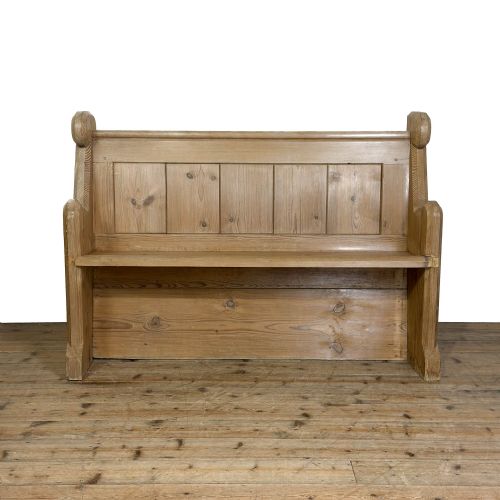
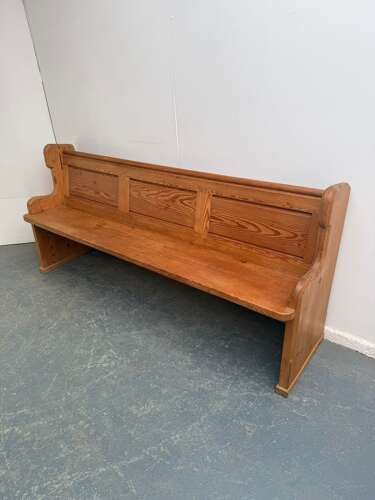
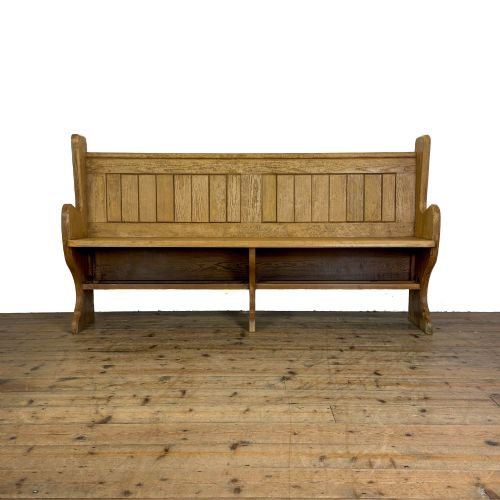
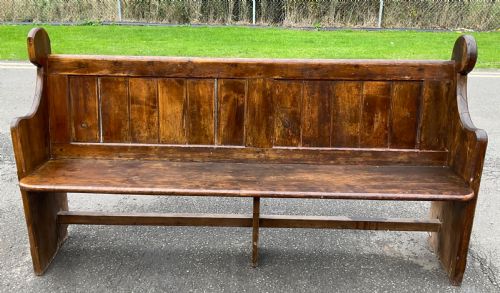
- A long wooden bench with a back, traditionally found in churches and chapels. They are constructed from solid pine and pitch pine.
- Workbench
- A heavy sturdy table used by artisans and carpenters. These items often feature integrated vices and robust wooden construction.
- Patina
- The surface appearance altered by age, wear, and polishing. In pine furniture, this develops through decades of handling and wax application.
Reclaimed Pine Furniture: Frequently Asked Questions
What periods do these pieces come from?
The inventory spans the nineteenth and early twentieth centuries, with dates ranging from the Victorian era into the 1930s. Pieces frequently reflect specific historical contexts such as Victorian Gothic or Edwardian design.
Production methods during these periods prioritised functional longevity over mass manufacture, utilising mature timber that differs significantly from modern softwoods.
How were church pews used originally?
Church and chapel pews provided communal seating in ecclesiastical spaces before being salvaged for domestic and commercial interiors. Their length and sturdy construction made them practical for large gatherings.
Today, these benches are commonly repurposed as hallway seating or dining benches, retaining their original architectural presence.
How do I care for waxed pine?
Waxed pine surfaces require occasional re-waxing to nourish the timber and maintain a protective barrier against moisture. Avoid placing these pieces in direct sunlight or near heat sources to prevent the wood from drying out.
Routine dusting with a soft cloth preserves the historic patination without stripping the surface oils built up over decades.
What is the difference between pine and pitch pine?
Pitch pine contains a higher resin content than standard pine, making it notably heavier, harder, and more resistant to wear. This resin gives the wood a distinctive reddish hue and a pronounced grain.
It was frequently chosen for demanding environments like ships and churches where durability was paramount.