





Reclaimed Door Furniture
Reclaimed door furniture brings character back to a home through period brass, iron, bronze, and timber fixtures.
Reclaimed Door Furniture
Reclaimed door furniture comprises salvaged architectural elements such as door handles, knobs, finger plates, pulls, and entire doors or screens. These items range from Victorian brass and bronze pieces to Edwardian and Arts and Crafts designs.
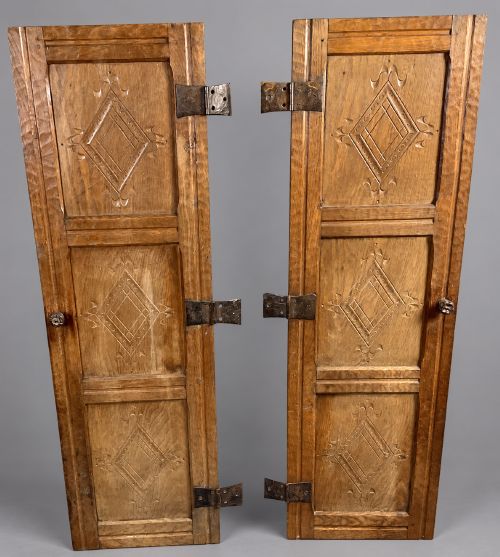
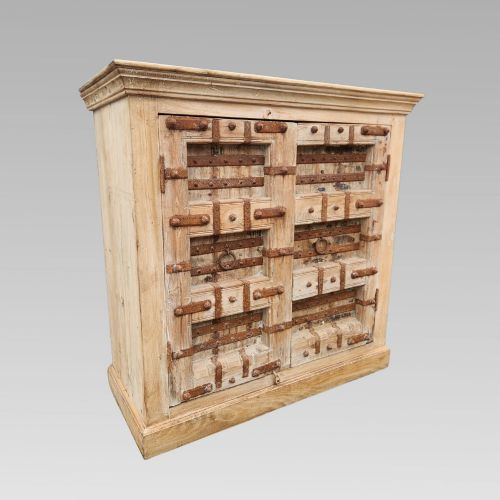
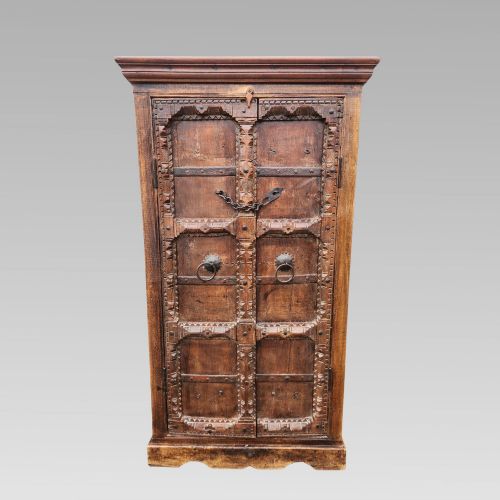
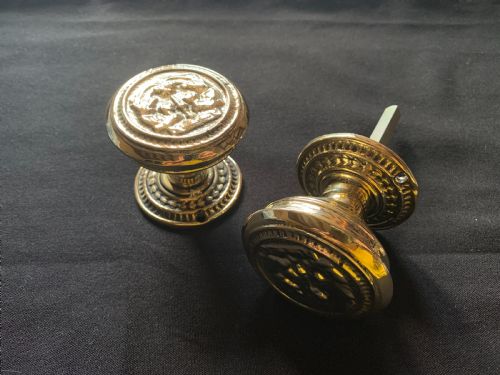
Buyers encountering this selection will most frequently find pairs of brass and bronze door knobs from the Victorian era, alongside occasional wooden doors and Indian teak cupboards. The inventory spans the nineteenth century up through the nineteen-forties.
The assortment includes specialised fittings like entrance vestibule screens, ceramic-centred pulls, and ebony wood centre door knobs. Each piece carries the marks of its previous architectural context and long use.
Materials and construction
Metal components rely on traditional foundry methods, utilising cast brass, iron, and bronze to produce durable handles, plates, and pulls. Nickel finishes and black china inserts appear alongside these metal elements for contrasting visual texture.
Woodwork utilises sturdy timbers including oak, teak, and ebony, shaped into doors, storage cupboards, and decorative knobs. Selected items incorporate hand-carved detailing consistent with regional traditions and period workshops.
Reclaimed Door Furniture Retail Price Guide 2026
Typical asking prices for reclaimed door furniture among the pieces listed under this phrase on Sellingantiques today, from the lower quarter to the upper quarter. They describe what is for sale here now, not the wider market.
One oak door set carries the suspected signature of the mouseman, hiding a quiet legacy in the grain.
Distinguishing quality in salvage
Quality rests in the weight of the metal casting and the crispness of the decorative detailing on plates and knobs. Substantial bronze and brass pieces demonstrate superior durability compared to lighter contemporary reproductions.
The integrity of the original material, whether dense teak, seasoned oak, or uncompromised ceramic inserts, defines the better examples. Complete matching pairs and sets hold greater architectural utility than solitary items.
The Reclaimed Door Furniture Glossary
- Architectural salvage
- Building elements rescued from older structures for reuse in new settings. These items preserve historical craftsmanship and materials.
- Finger plate
- A protective metal or ceramic plate mounted on a door near the handle to prevent hand marks on the paint or wood. They often feature matching designs.
- Centre door knob
- A large stationary handle placed in the middle of an exterior door rather than the edge. These serve an ornamental function and assist in pulling heavy doors closed.
- Door pull
- A handle designed to be grasped for opening or closing a door without a turning mechanism. Single pulls frequently appear on heavy entrance doors.
Reclaimed Door Furniture: Frequently Asked Questions
How do I match antique handles to modern doors?
Check the spindle thickness and fixing hole alignments against standard contemporary joinery before committing to a purchase. Many period items require minor adjustments to fit modern mortice depths.
Consider the scale of the backplate relative to the door panel width to ensure proportional balance in the room.
Can I use brass door furniture outdoors?
Solid cast brass and bronze naturally withstand exterior conditions by developing a protective patina over decades of exposure. Unlacquered metals will darken gradually in open air.
Sheltered vestibules and porches preserve the polished finish much longer than exposed coastal locations.
What is the difference between Victorian and Edwardian styles?
Victorian door furniture tends to be heavier, highly ornate, and frequently utilises dark woods, cast bronze, or polished brass with deep relief moulding. Edwardian designs lean towards lighter, cleaner forms with simplified geometric or floral motifs.
Both periods emphasise robust metal casting, but the silhouette reflects the changing aesthetic of the decades.
How should I clean antique metal hardware?
Wash the surface gently with warm soapy water and a soft brush to remove accumulated dirt without stripping the historical patina. Avoid harsh chemical dips that remove the aged character.
Microcrystalline wax can be applied sparingly to seal the metal and prevent further oxidation.