





Reclaimed Architectural Wood
Reclaimed architectural wood brings structural history indoors, offering salvaged panels, doors, and timber elements with distinct character and genuine age.
Reclaimed Architectural Wood
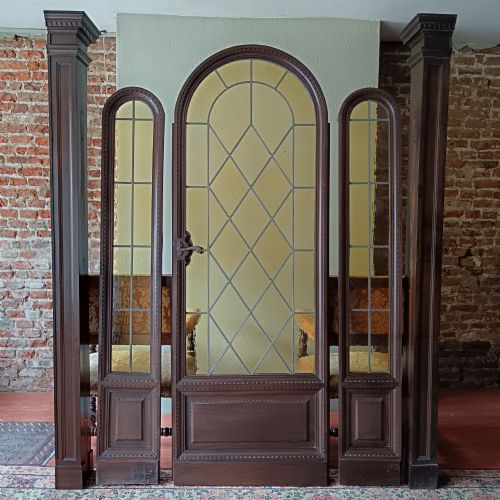
When you search for reclaimed architectural wood, you are looking at salvage gathered from historic buildings, ranging from carved oak panels to substantial doorways and structural columns. These pieces carry the marks of past craftsmanship, preserved through centuries of use and adaptation.
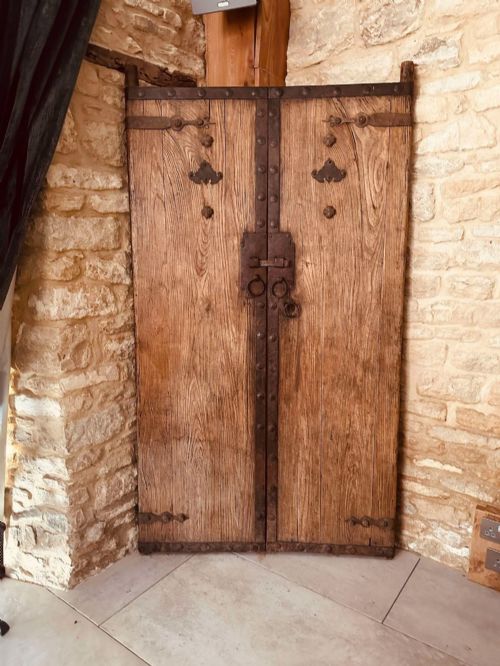
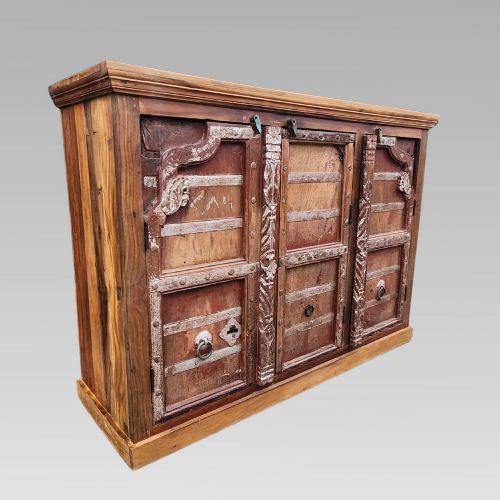
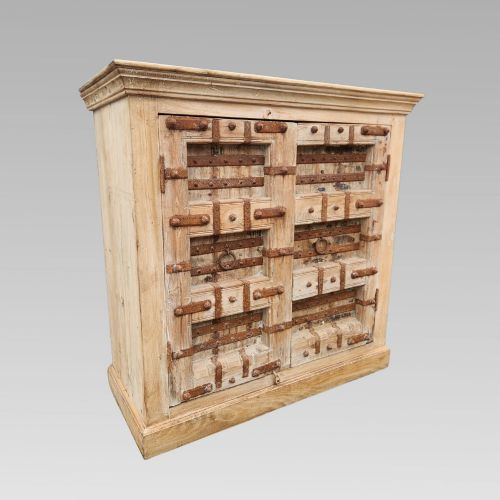
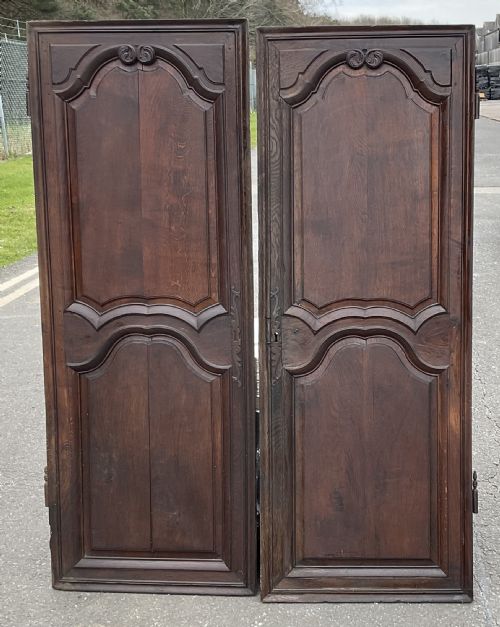
On this page, you are most likely to meet pieces spanning the eighteenth, nineteenth, and early twentieth centuries, rendered in oak, teak, and mahogany. Common forms include carved wall panels, storage cupboard doors, bed posts, and architectural screens.
The origins of these items stretch across English, French, Italian, and Indian traditions, reflecting varied regional aesthetics from Gothic Revival to Traditional Indian. Each piece offers a tangible fragment of historic architecture ready for modern integration.
Materials and construction
Timbers like oak, teak, and mahogany form the structural backbone of these pieces, selected for their density and durability in architectural settings. Iron, brass, and lead hardware frequently accompany the wood, adding functional joints and decorative mounts.
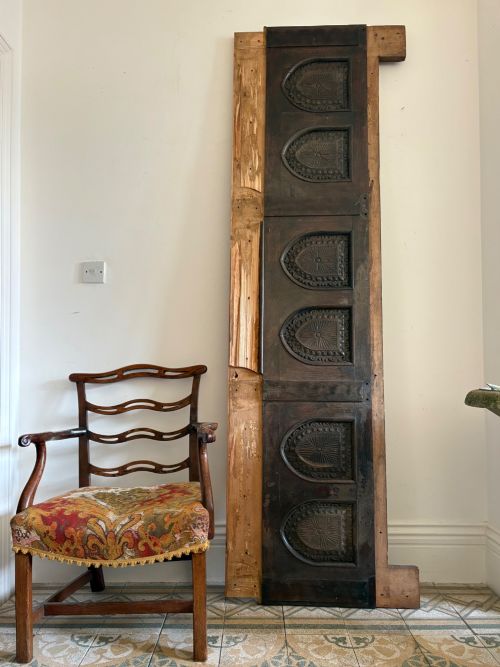
Carpenters and joiners employed traditional hand-carving techniques, producing intricate details such as Gothic tracery, linenfold patterns, and carved friezes. Construction methods rely on solid wood joinery, heavy framing, and pegged joints designed to withstand heavy structural loads.
Reclaimed Architectural Wood Retail Price Guide 2026
Typical asking prices for reclaimed architectural wood among the pieces listed under this phrase on Sellingantiques today, from the lower quarter to the upper quarter. They describe what is for sale here now, not the wider market.
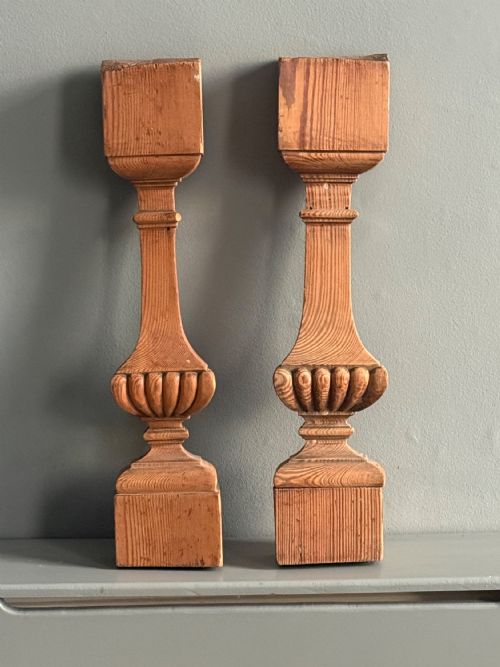
Several bed posts on offer have quietly retired from supporting four-poster beds to find new life as decorative architectural columns.
Assessing quality and craftsmanship
The distinction between ordinary salvage and superior pieces lies in the depth and crispness of the hand-carving. Sharp architectural mouldings and well-defined figurative details indicate skilled execution by period artisans rather than mass production.
The integrity of the original timber and the survival of surface patination dictate the overall worth. Pieces retaining their original finish, uncompromised structural density, and authentic period hardware stand apart from heavily altered examples.
The Reclaimed Architectural Wood Glossary
- Gothic Revival
- An architectural and decorative style drawing inspiration from medieval Gothic forms. It appears frequently in pointed arches and tracery panels.
- Linenfold
- A style of wood carving intended to imitate folded linen cloth. This technique is commonly found on fifteenth to nineteenth-century panels.
- Corbel
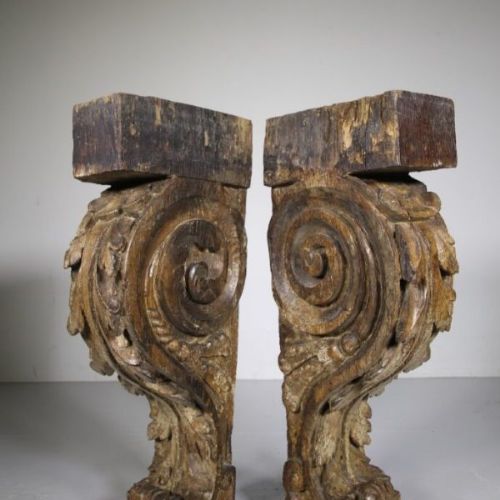
- A structural piece of stone or wood projecting from a wall to carry a weight. These supports often feature decorative carving.
- Parchemin
- A type of panel decoration resembling parchment or rolled paper. It is typically executed in low relief on oak furniture and architectural woodwork.
- Tracery
- Ornamental stonework or woodwork forming patterns in the upper part of a Gothic window or screen. It requires precise hand-carving.
Reclaimed Architectural Wood: Frequently Asked Questions
What is reclaimed architectural wood?
It comprises salvaged elements from historic structures, including carved panels, doors, columns, and structural timbers repurposed for interior design.
These items preserve historical building techniques and materials no longer common in modern construction.
How were these wooden elements used?
Historic buildings utilised these components for structural support, room division, security, and decorative wall ornamentation.
Panels lined rooms for insulation, while doorways and screens defined interior spaces in grand buildings.
How do I live with architectural salvage?
Large pieces like doors and panels work best mounted securely to interior walls or utilised as functional room dividers.
Ensure the supporting wall can bear the weight of dense hardwoods such as oak and teak.
How can I tell periods apart?
Stylistic indicators such as Gothic tracery, Georgian proportions, or Victorian massing help date the woodworking.
Tool marks, joinery methods, and wood species further assist in determining the era of manufacture.