




Reclaimed Architectural Timber
These reclaimed architectural timber pieces carry the grain and marks of past centuries straight into modern rooms.
Reclaimed Architectural Timber
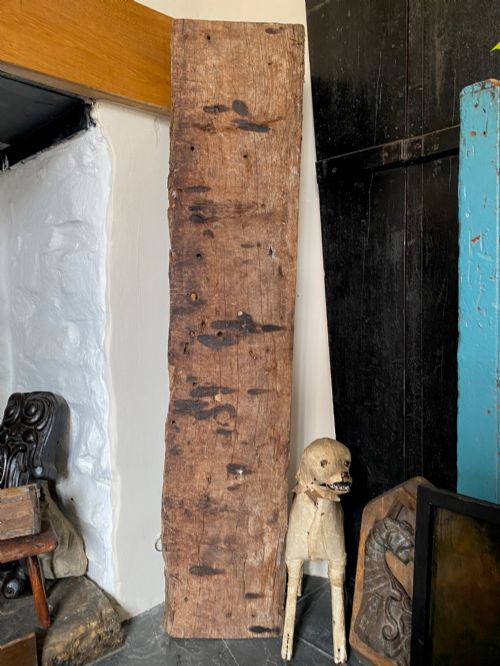
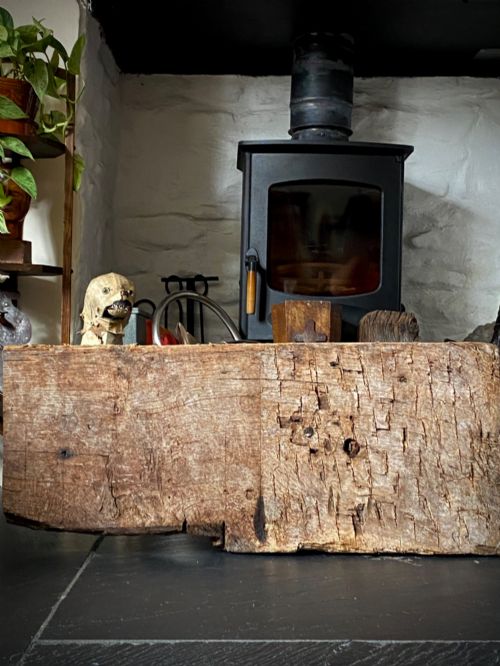
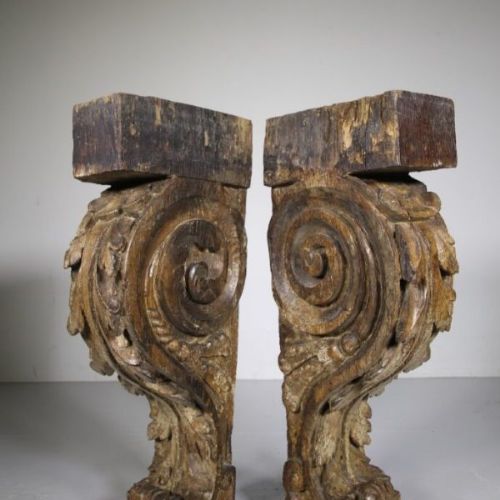
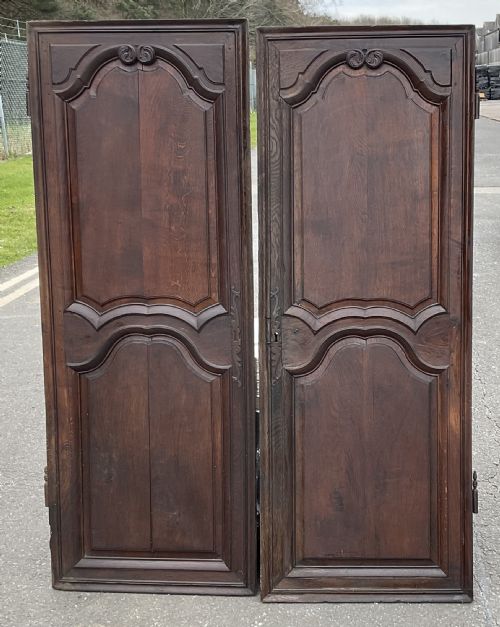
Reclaimed architectural timber encompasses solid oak inglenook beams, carved panels, doors, and columns drawn from historical buildings.
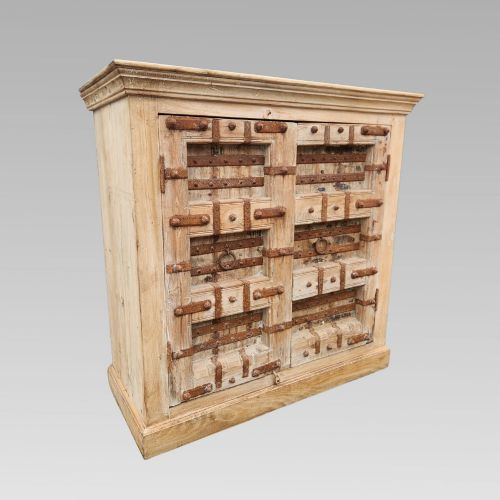
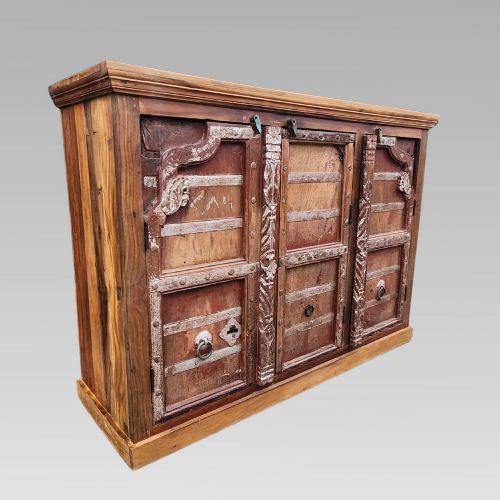
The selections span from seventeenth-century vernacular friezes and beams to Georgian corbels, Victorian chapel doors, and Indian teak storage pieces.
Buyers seek these elements to anchor contemporary interiors with genuine structural age and distinct historical character.
Materials and Construction
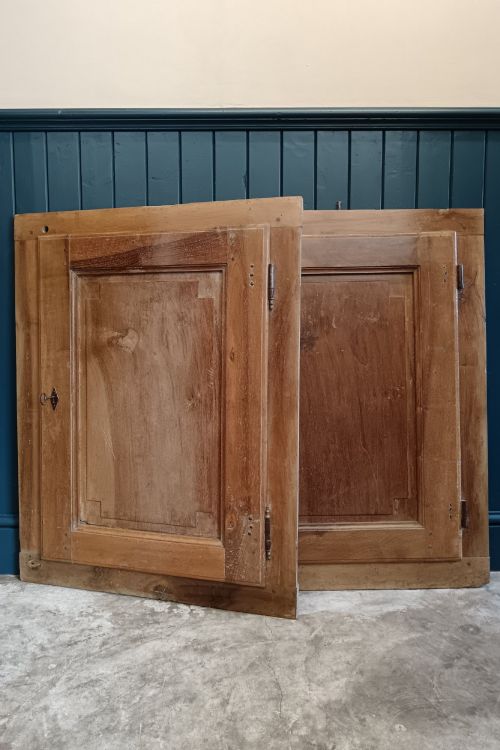
Solid oak, pine, walnut, and teak form the core material palette, often shaped by hand with traditional joinery methods.
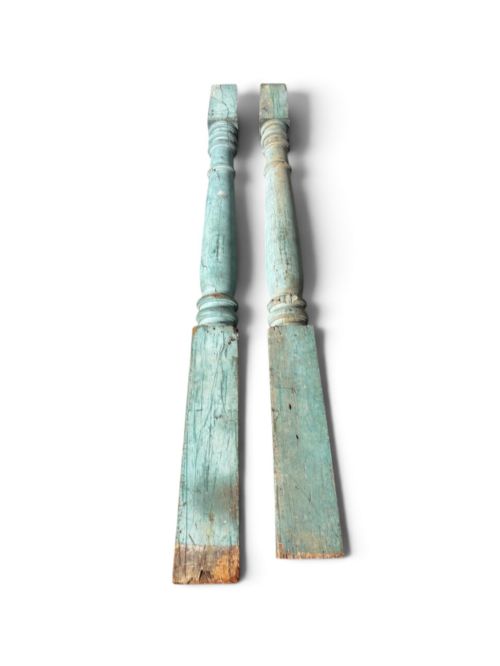
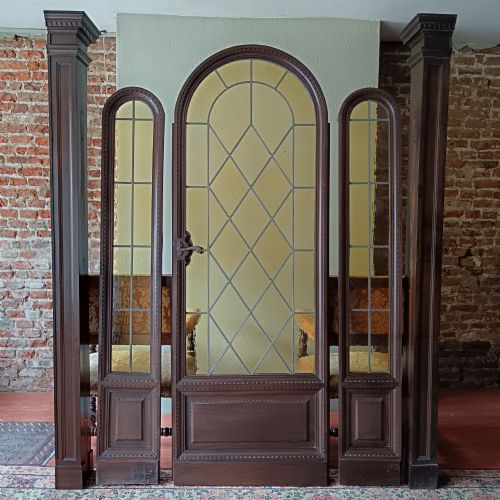
Iron and lead hardware, alongside historic painted finishes, appear integrated directly into doors, columns, and architectural fragments.
Reclaimed Architectural Timber Retail Price Guide 2026
Typical asking prices for reclaimed architectural timber among the pieces listed under this phrase on Sellingantiques today, from the lower quarter to the upper quarter. They describe what is for sale here now, not the wider market.
Listings feature structural elements and decorative fragments spanning the seventeenth century through to the early twentieth century.
Assessing Quality and Character
Quality rests in the depth of hand-carved detail, such as Gothic tracery or parchemin panels, and the preservation of original surfaces.
Structural integrity and the natural patina accumulated over centuries distinguish finer architectural fragments from simpler utilitarian salvage.
The Reclaimed Architectural Timber Glossary
- Apotropaic mark
- Protective symbols, such as taper burns, carved into historic wood to ward off evil spirits.
- Corbel
- A structural piece of stone or timber projecting from a wall to support a weight inside a room.
- Parchemin
- A flat wood panel carved in relief to resemble a folded parchment scroll, popular in medieval and later joinery.
- Tracery
- Ornamental stonework or timber framing pattern associated with Gothic architecture and window designs.
- Inglenook beam
- A heavy timber spanning the top of a large traditional fireplace opening.
Reclaimed Architectural Timber: Frequently Asked Questions
What are architectural timber fragments used for?
These pieces function as striking focal points in modern room design, serving as structural lintels, decorative wall panels, or statement doorways.
They bring historical depth and tactile presence directly into domestic spaces.
How do I identify seventeenth-century oak timber?
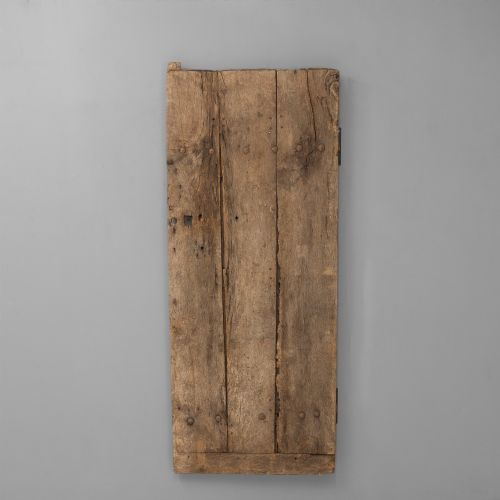
Seventeenth-century oak pieces display deep grain weathering, hand-hewn tool marks, and traditional joinery without modern machine intervention.
Evidence of historical use, such as apotropaic burn marks or original fixings, often accompanies these early items.
Can antique pine chapel doors be fitted today?
Large antique doors require careful measurement of the opening and often need professional carpentry to adapt historic frames safely.
Their substantial dimensions make them ideal as interior dividers or feature entryways in larger properties.
How should I care for painted historic timber?
Original painted surfaces benefit from gentle dusting with dry cloths and protection from direct sunlight and excessive humidity.
Preserving the existing finish maintains the historical integrity and visual character of the piece.