



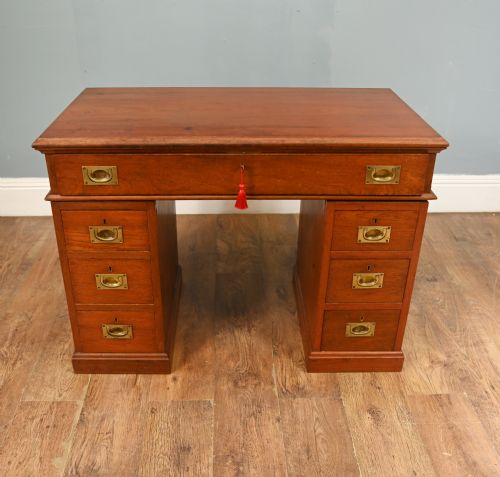


Recessed Brass Handles
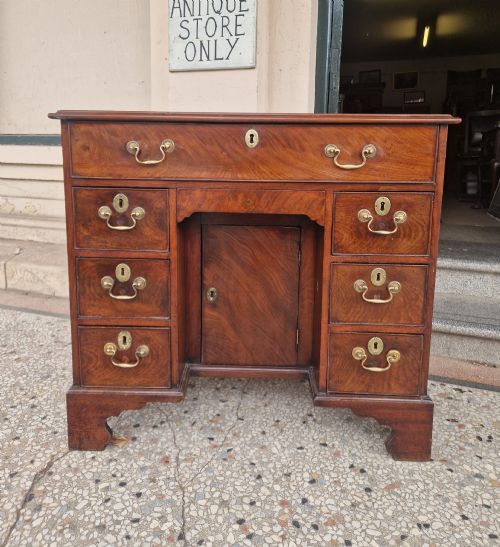
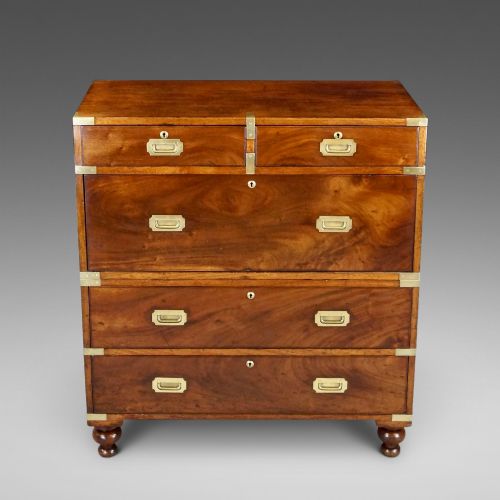
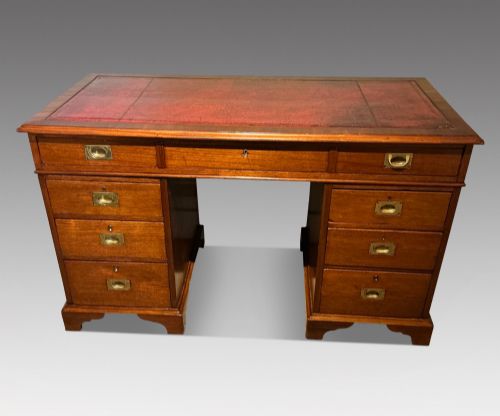
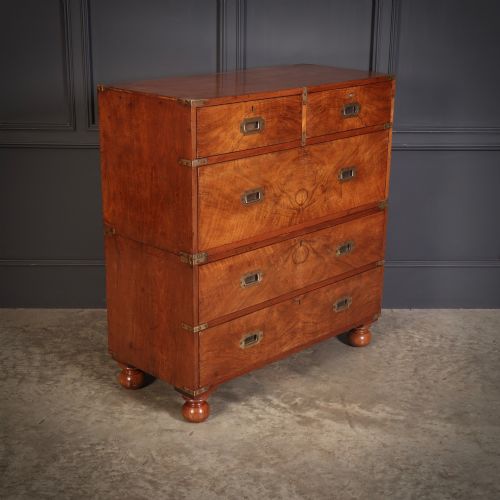
Recessed brass handles belong to campaign chests and military desks built to travel, offering flush surfaces that withstand rigorous transit.
Recessed Brass Handles
Recessed brass handles appear primarily on campaign furniture, military chests, and travel desks designed during the Georgian, Regency, and Victorian periods. These fittings sit flush within the drawer fronts to prevent snagging during transport across colonies and campaigns.
Originating from the practical demands of military officers and travellers, these items combine cabinetry with brass reinforcement corners and carrying hardware. Each piece reflects a utilitarian requirement transformed into an enduring domestic style.
Materials and construction methods
Cabinet makers built these items using durable hardwoods including mahogany, teak, oak, and camphor wood to withstand shifting climates during long journeys. Brass plates and flush pull rings were hand-inlaid into the timber surface and secured with small screws.
Chests were typically constructed in two separate stacking sections to ease movement on ships and pack animals, fitted with iron or brass carrying handles on the sides. Dovetail joints secured the drawer construction while inset brass hardware maintained completely flat drawer faces.
Camphor wood chests retain their distinctive aromatic scent after two centuries, serving as a natural deterrent against moths and insects.
Distinctions in quality and execution
The fineness of the timber grain and the weight of the brass fittings determine the grade of a piece, with figured walnut and dense teak representing superior construction. Quality makers ensured the brass pulls sat perfectly flush within their housings without wobble or uneven gaps in the surrounding wood.
Internal arrangement also divides standard chests from exceptional secretaire models fitted with pigeonholes, leather writing surfaces, and secret compartments. Original backboards, matching brass locks, and intact carrying hardware separate untouched examples from later adaptations.
Army & Navy·H Mower & Stephenson
The Recessed Brass Handles Glossary
- Campaign chest
- A modular set of drawers designed to split into two or more stacking sections for military transport. These pieces often feature brass binding and recessed handles.
- Secretaire chest
- A chest of drawers featuring a fitted top drawer that drops down to reveal a writing desk with small drawers and pigeonholes. Many examples include a baize or leather writing surface.
- Flush mount
- A method of fitting hardware level with the surrounding timber surface so nothing protrudes. This technique protects the handles and drawer fronts from impact during transit.
- Padouk
- A dense exotic hardwood with a reddish brown tone utilised in Anglo Indian furniture production. It provides exceptional stability and strength for travelling pieces.
- Dovetail joint
- A method of joining drawer corners using interlocking wedge shaped fingers. This construction technique offers high resistance to tension and pulls.
Recessed Brass Handles: Frequently Asked Questions
What is a campaign chest?
A campaign chest is a portable set of drawers made in sections so officers could pack their belongings for military travel. They feature protective brass corners and flush handles.
These chests were built to withstand rough journeys while maintaining a refined appearance inside officers' tents or quarters.
Why do these drawers have flush handles?
Flush handles prevent the hardware from catching on ropes, packing cases, or tent canvas during transit. Sinking the brass into the wood keeps the exterior completely flat.
This design protects both the handle and the surrounding timber from impact damage when moving heavy furniture.
How do I care for teak and mahogany?
Keep these hardwoods away from direct heat sources and sudden humidity changes to prevent the timber from splitting. Dust regularly with a dry cloth and apply a traditional wax sparingly.
Avoid commercial silicone sprays which can damage the antique finish and attract dust to the brass insets.
Are all campaign chests from the Victorian era?
While the majority of surviving pieces date from the Victorian period, the style originated during the Georgian era and continued into the twentieth century. Earlier examples often feature simpler lines and dense mahogany.
Makers utilised teak increasingly by the mid-nineteenth century for its resistance to tropical conditions and moisture.