



Reception Desk Vintage
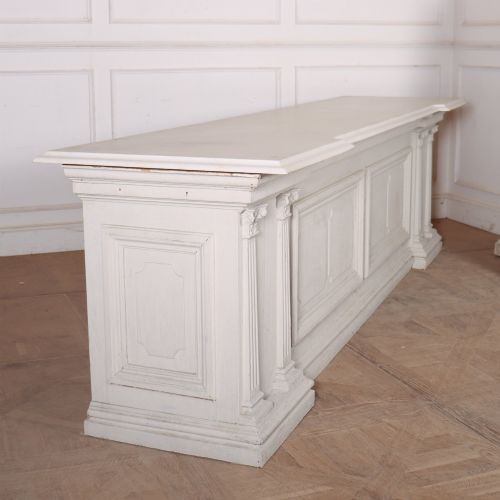
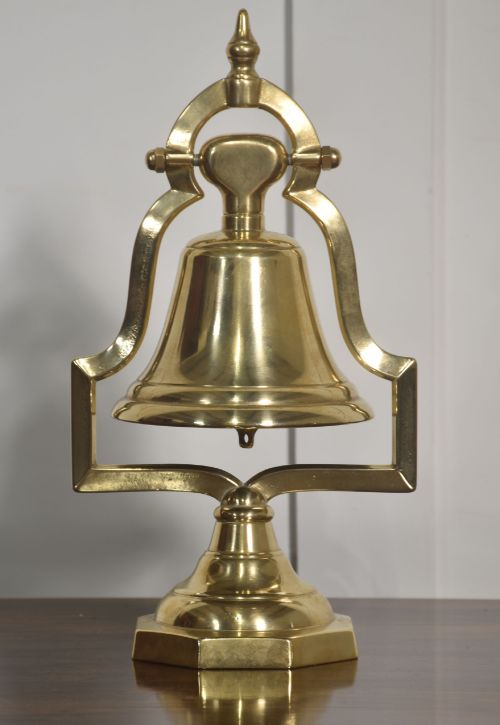
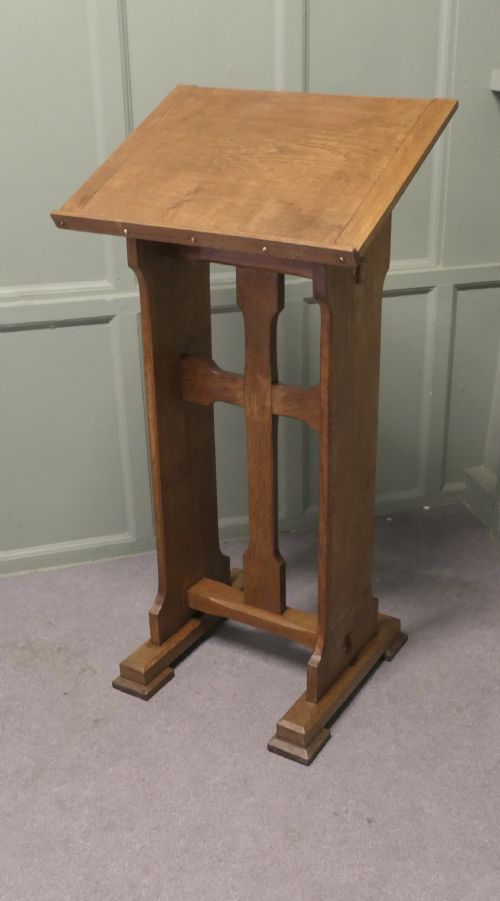
A reception desk vintage setup welcomes guests with solid timber presence, bringing shop counters, pulpits, and brass bells together.
Reception Desk Vintage
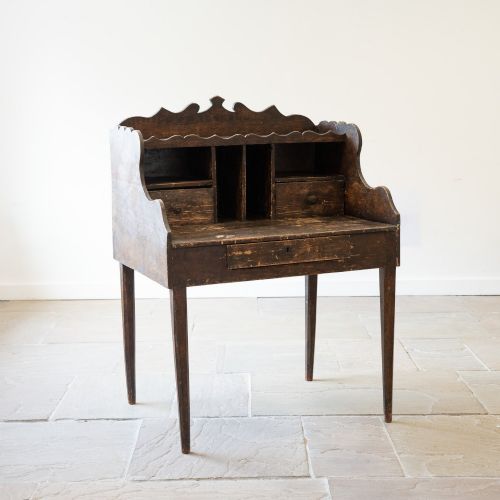
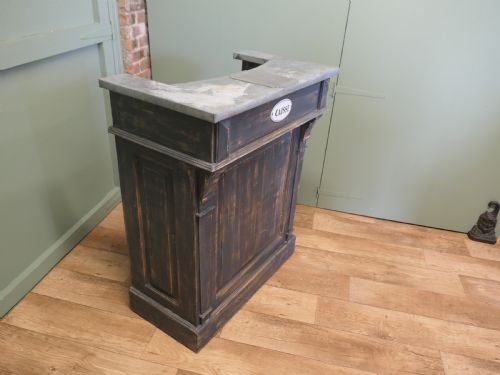
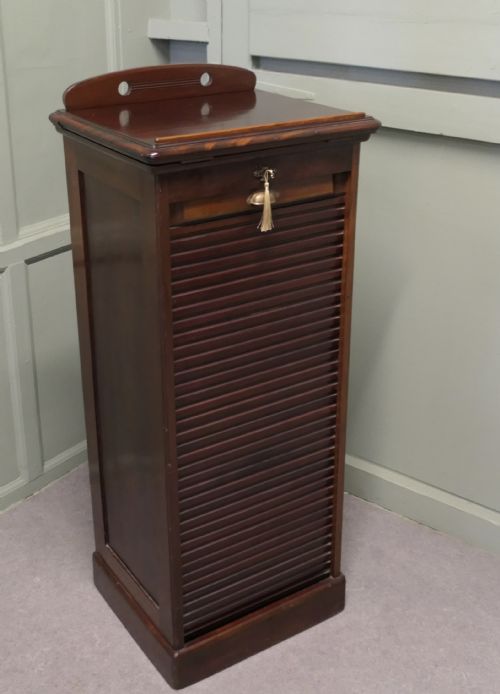
A reception desk vintage search uncovers a practical mix of commercial shop counters, hotel greeting stations, and small hall tables suited for hospitality or entrance use. These pieces bridge the gap between commercial utility and domestic display.
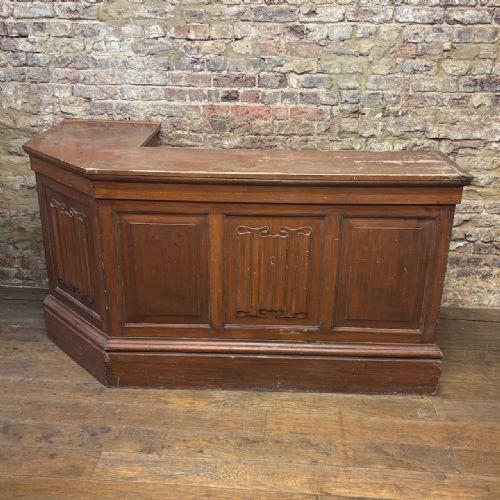
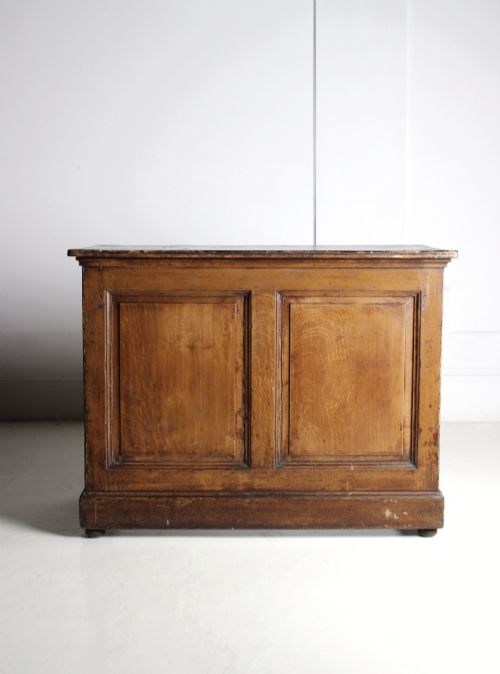
The selection on this page relies heavily on nineteenth-century oak and pine forms, featuring Arts and Crafts podiums, French panelled counters, and Victorian pedestals. Each piece serves to organise a greeting space with period character.
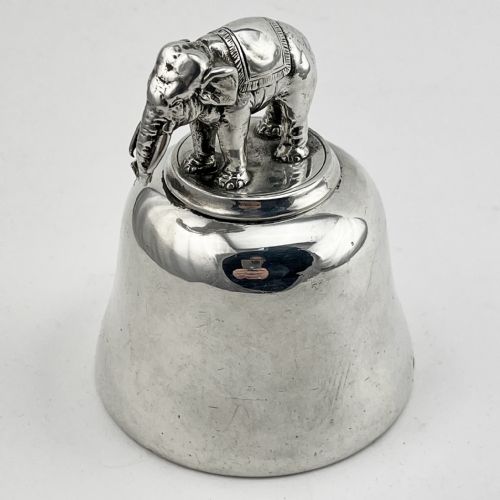
Buyers also encounter smaller accessories like brass table bells on stands and sterling silver desk bells designed for counter service. These functional items complete the setup of a vintage reception area.
Materials and construction
The larger furniture relies on solid timber construction, primarily oak, mahogany, and pine, occasionally finished with painted surfaces or faux oak treatments. Carpenters utilised traditional panelled methods and carved details to build durable counters and stations.
Metalwork plays a key role in the smaller items, utilising brass, bronze, and sterling silver for bells mounted on wood or metal stands. These components show period casting and engraving techniques standard to the nineteenth and early twentieth centuries.
Reception Desk Vintage Retail Price Guide 2026
Typical asking prices for reception desk vintage among the pieces listed under this phrase on Sellingantiques today, from the lower quarter to the upper quarter. They describe what is for sale here now, not the wider market.
Listings feature items spanning the 1800s through the 1920s, utilising oak, pine, mahogany, and brass.
Distinguishing quality
Quality rests in the integrity of the timber and the depth of period joinery, separating simple utility items from finely carved Arts and Crafts or French provincial pieces. Original painted finishes and authentic panel work elevate the standing of a counter or station.
In smaller accessories, the weight of the metal and the clarity of the bell's chime indicate the standard of production. Sterling silver or heavy brass designs on substantial stands represent the higher end of the desk bell range.
The Reception Desk Vintage Glossary
- Shop counter
- A large commercial fixture designed for retail transactions, frequently utilised today as a reception desk. These pieces often feature panelled fronts and substantial timber tops.
- Arts and Crafts
- A design style focused on utilitarian simplicity and visible craftsmanship, seen here in golden oak podiums and greeting stations. This movement valued honest materials over excessive ornamentation.
- Gothic Revival
- An architectural and decorative style drawing on medieval forms, occasionally observed in the carved details of pulpits and counters. Pointed arches and rich mouldings are typical hallmarks.
- Lowboy
- A small English table with drawers, dating from the eighteenth century and commonly employed as a compact reception table or hall desk. Their petite proportions suit smaller entryways.
Reception Desk Vintage: Frequently Asked Questions
What defines a reception desk vintage piece?
These items encompass nineteenth and early twentieth-century shop counters, hotel greeting stations, and hall tables adapted for modern entryways. They combine commercial utility with period aesthetic values.
Buyers often select them to anchor a workspace or hospitality area with genuine historical timber and functional presence.
Where do desk bells fit into the setup?
Counter bells provided an audible signal to summon hotel staff, shop assistants, or household servants. Mounted on brass or oak stands, they sat directly upon the reception surface.
Today they function as tactile desk accessories that complement larger vintage furniture.
How do I distinguish Victorian pieces from later styles?
Victorian items often showcase rich mahogany or oak timbers alongside heavier mouldings and traditional joinery methods. Later pieces from the Edwardian era or the 1920s tend to reflect simpler lines or specific revival movements.
Examining the underlying wood and construction hardware helps clarify the period of manufacture.