



Reception Desk Counter
A reception desk counter greets visitors and manages arrivals, offering a practical workspace for commercial or hospitality spaces.
Reception Desk Counter
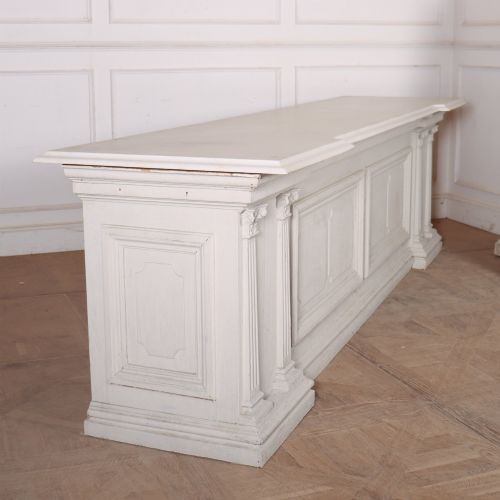
A reception desk counter serves as the primary greeting point for guests in commercial, hospitality, and domestic spaces. When searching for a reception desk counter, buyers encounter furniture designed to manage arrivals, alongside associated desk bells used for service.
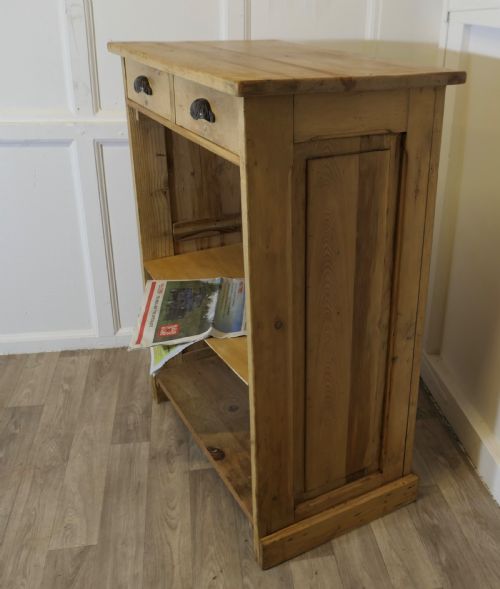
The pieces listed span the nineteenth century through the nineteen-thirties, incorporating Victorian, Edwardian, Neoclassical, and rustic farmhouse styles. Formats range from large shop counters and greeting stations to small brass table bells.
How they were made
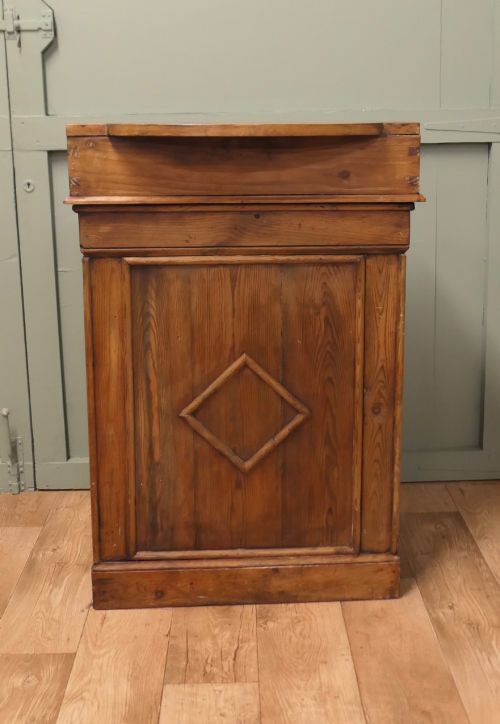
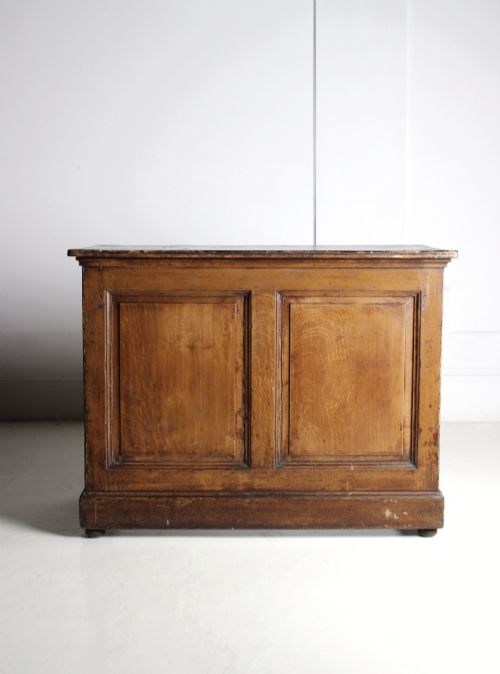
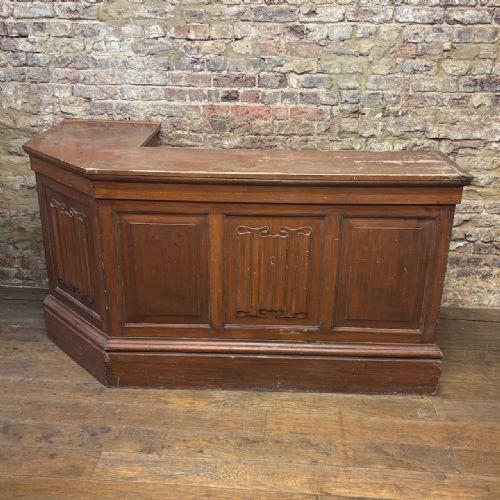
Timbers such as oak, pine, and mahogany are utilised for construction, often finished with paint, faux oak effects, or polish. Panel work and adjustable feet appear on larger shop counters and greeting stations.
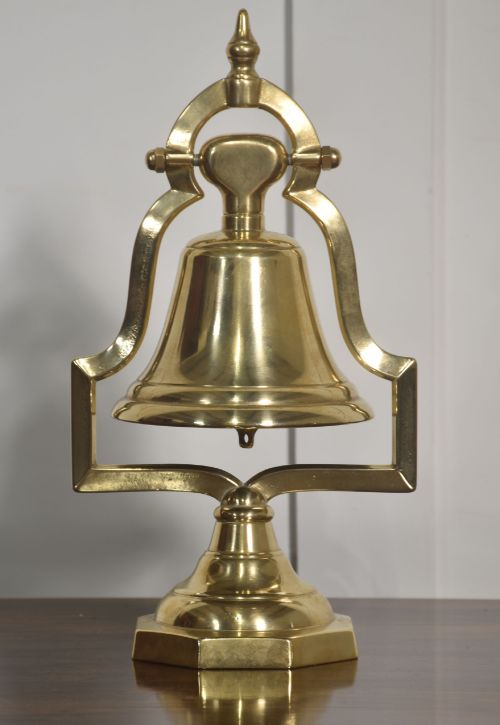
Desk and table bells combine cast brass, bronze, or silver-plated elements mounted on stands or bases. Ornate detailing characterises the Victorian metalwork examples.
Reception Desk Counter Retail Price Guide 2026
Typical asking prices for reception desk counter among the pieces listed under this phrase on Sellingantiques today, from the lower quarter to the upper quarter. They describe what is for sale here now, not the wider market.
Listings feature items spanning the nineteenth century, Victorian era, nineteen-tens, and nineteen-thirties, constructed from pine, oak, mahogany, brass, and bronze.
What varies in quality
Construction methods and material selection define the standard of a reception desk counter. Solid timber framing and panelled detailing separate robust commercial examples from lighter decorative pieces.
The weight and metal composition of brass and bronze bells dictate their finish and acoustic resonance. Patina and original surface treatments also influence the character of each piece.
The Reception Desk Counter Glossary
- Shop counter
- A large retail or commercial furnishing designed for serving customers and displaying goods. These often feature panelled timber construction and substantial top surfaces.
- Desk bell
- A small percussion instrument placed on a counter to summon assistance. They are commonly forged from brass or bronze with mounted stands.
- Faux oak
- A painted or finished surface technique designed to imitate the grain and appearance of solid oak timber. This finish appears on nineteenth and twentieth-century pine furniture.
- Victorian
- A design period spanning the reign of Queen Victoria, characterised by diverse revivals and ornate detailing. Pieces from this era often display heavy timber or cast brass work.
Reception Desk Counter: Frequently Asked Questions
What is a reception desk counter used for?
A reception desk counter functions as a dedicated station for greeting visitors, managing guests, and conducting initial business transactions in commercial or domestic settings.
Smaller variants on this page include desk bells, which were traditionally placed upon the counter to summon staff or service.
How do I identify a Victorian piece?
Victorian items often display specific stylistic markers such as ornate cast brass bases, heavy panelled timber, and traditional joinery methods. The evidence on this page includes pieces from the eighteen-eighties and eighteen-nineties.
Examining the materials, such as polished brass, mahogany, and pine, helps place an item within its nineteenth-century manufacturing context.
Where were greeting stations placed?
Greeting stations were positioned in the entryways of hotels, restaurants, country houses, and commercial premises to manage arrivals. They provided a focal point for hosts and receptionists to meet guests.
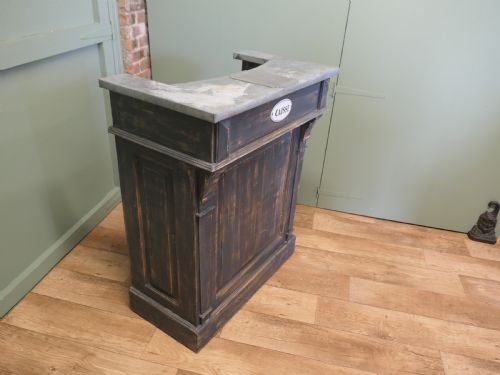
These pieces range from painted French restaurant stations to rustic farmhouse bars.
What materials are common?
Timber forms the primary material for the larger furniture pieces, with pine, oak, and mahogany appearing across various styles. Painted wood and faux oak finishes are also utilised.
Metal elements feature predominantly in the desk bells, which utilise brass, bronze, silver-plate, and zinc.