

Reading Lamp with Table
A reading lamp with table brings together direct task lighting and surface space, making it a clever choice for compact seating areas.
Reading Lamp with Table
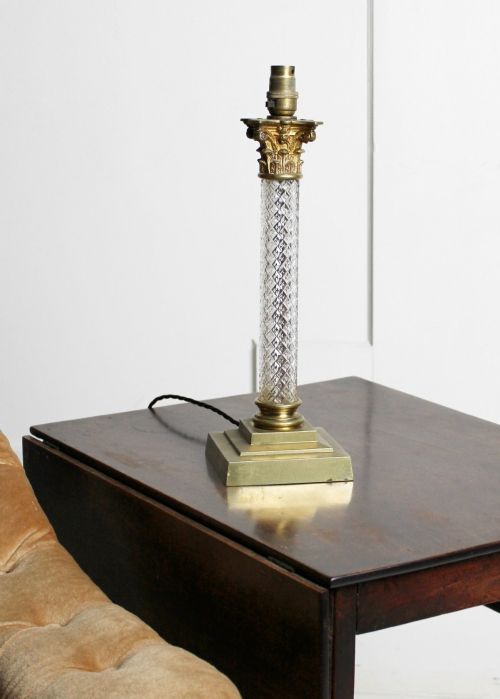
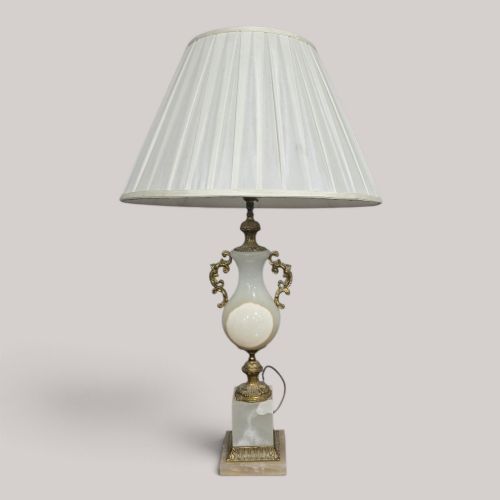
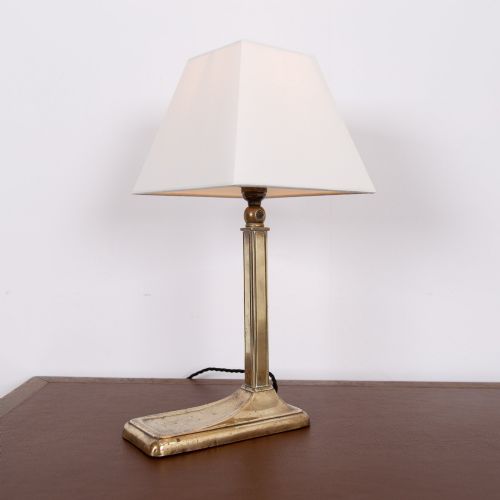
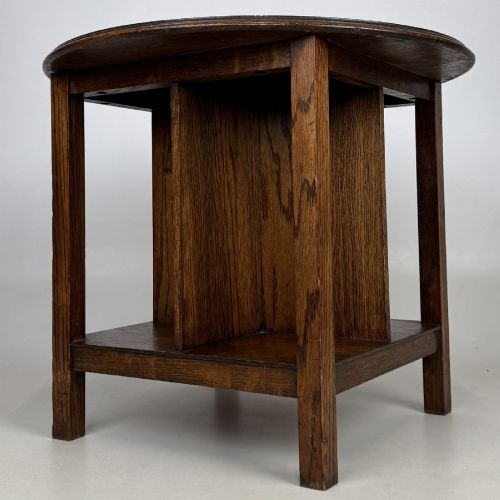
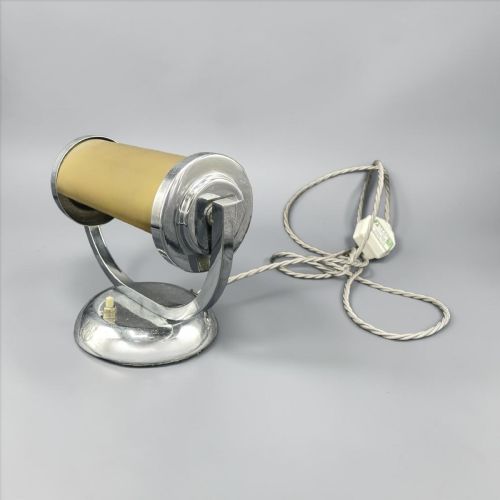
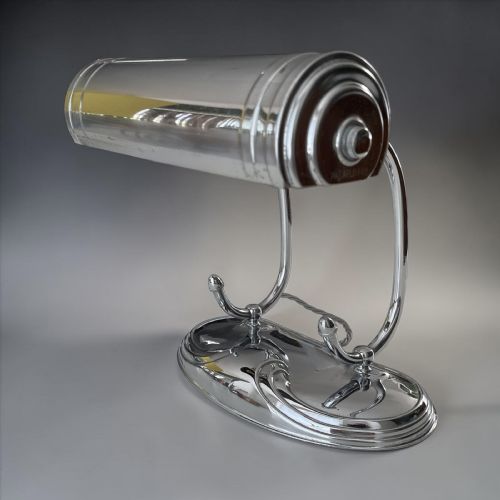
A reading lamp with table combines a lighting fixture and a built-in stand, offering a practical solution for books and small items next to a chair. The selections on this page span the Victorian period, the Edwardian era, and the 1930s Art Deco movement, showing how lighting designs evolved to serve domestic comfort.
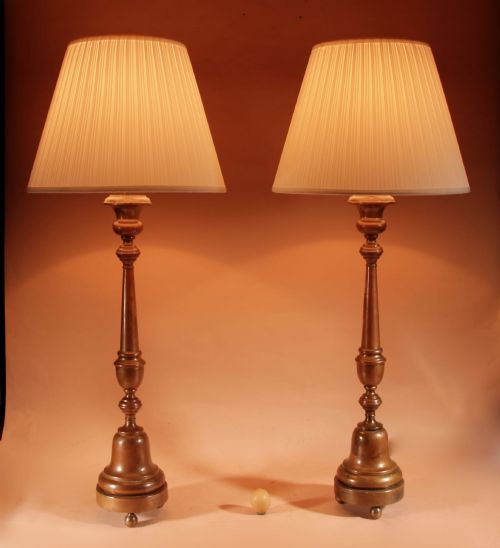
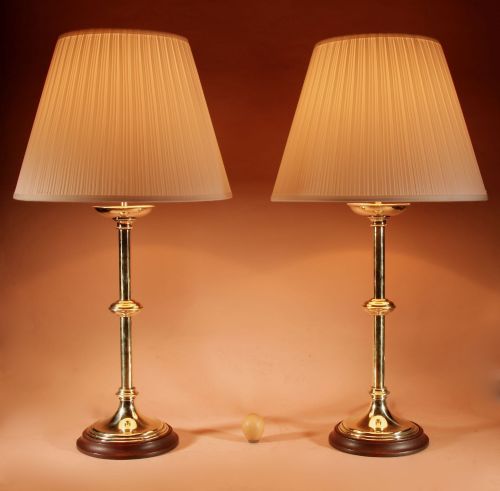
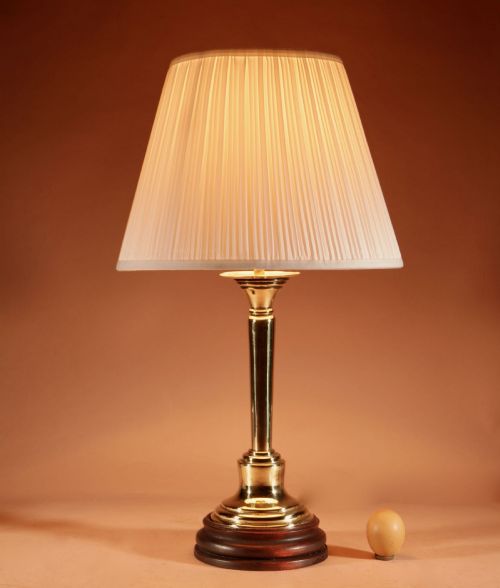
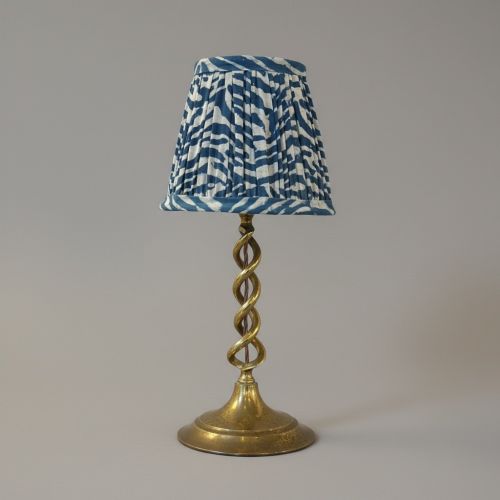
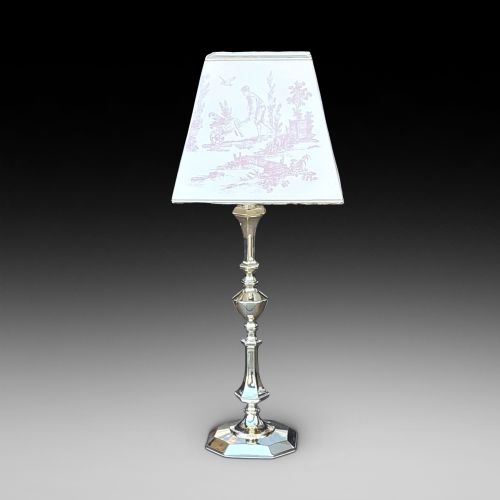
The forms vary from floor-standing standard lamps with tiered wooden shelves to smaller desk or table models with integrated surfaces. Brass and walnut form the backbone of these constructions, paired with fabric, metal, stained glass, or shell-shaped shades.
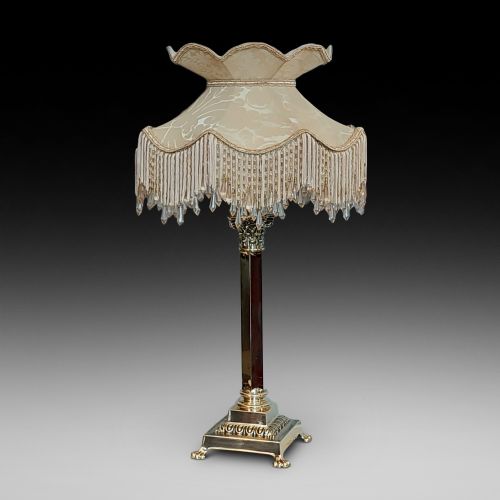
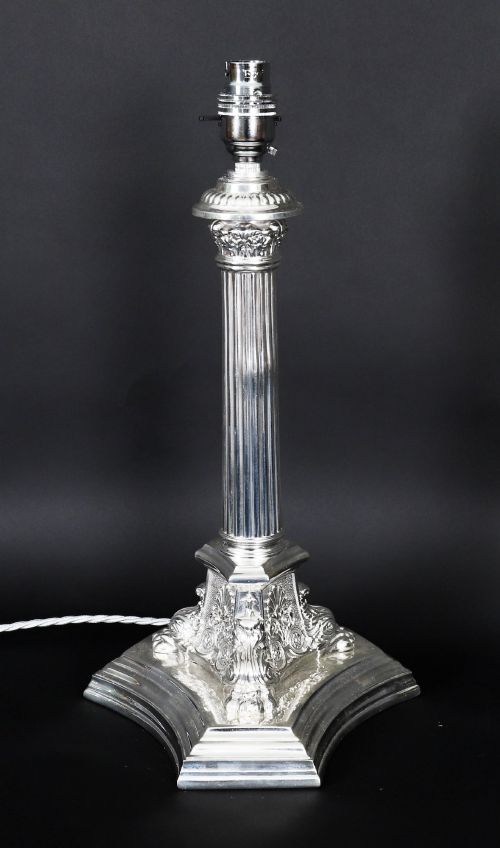
Origins range across English and continental styles, embracing Neoclassical Revival, Empire, and Art Nouveau aesthetics. Buyers encounter everything from Corinthian column standards to flexible lamps with original shades.
How they were made
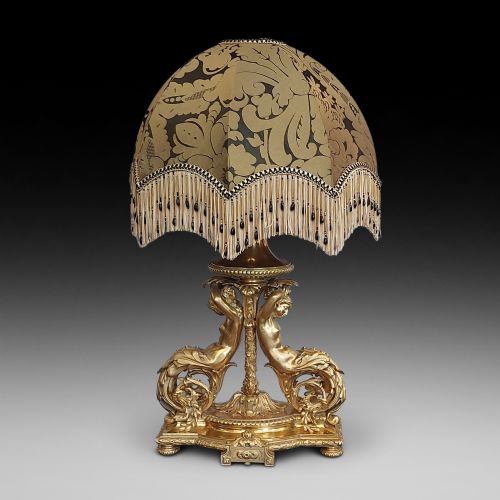
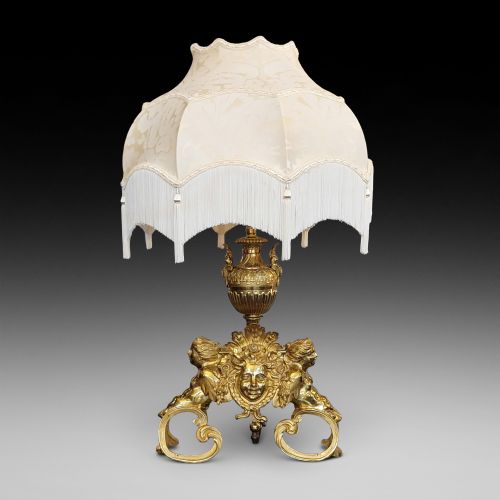
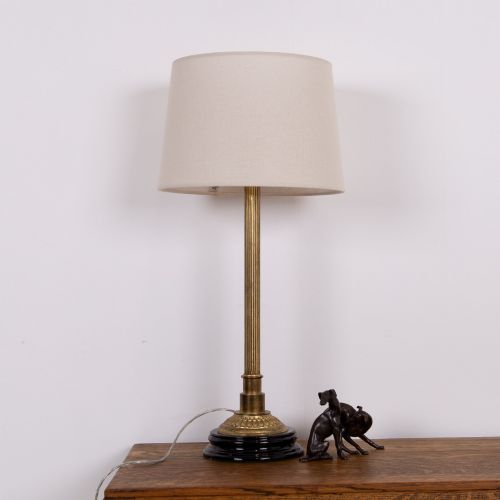
Brass is the dominant metal across these pieces, cast or turned into columns, twist stems, and bases, sometimes accented with Italian classical masks, stags, or bronze finishes. Walnut provides the wooden tiers and table sections on the floor-standing examples.
Shades utilise a variety of materials, including textured fabrics, leaded stained glass in the Tiffany manner, shaped metal, and glass cabochons. Bakelite and cut glass reservoirs appear as finer functional and decorative components.
Reading Lamp with Table Retail Price Guide 2026
Typical asking prices for reading lamp with table among the pieces listed under this phrase on Sellingantiques today, from the lower quarter to the upper quarter. They describe what is for sale here now, not the wider market.
Listings feature brass as the primary metal, alongside walnut, chrome, glass, and Bakelite across various periods from the Victorian era to 1930.
What varies in quality
The distinction between standard production and finer execution lies in the weight of the cast brass and the fidelity of decorative mounts like classical masks or Corinthian capitals. Timber selection matters immensely on models featuring wooden tables, where figured walnut elevates the piece.
Integrity of components also dictates value, particularly whether shades, reservoirs, and adjustable fittings remain original to the base. Telescopic mechanisms and heavy solid brass bases demonstrate superior engineering compared to lighter, fixed-height alternatives.
The Reading Lamp with Table Glossary
- Bakelite
- An early form of synthetic plastic used for switches and electrical components. It is valued for its rich historical patination.
- Corinthian Column
- A classical column design featuring ornate acanthus leaves at the capital. It frequently tops formal brass floor and table lamps.
- Standard Lamp
- A tall floor-standing lamp designed to illuminate a room or seating area. These often incorporate heavy brass bases for stability.
- Student Lamp
- A nineteenth-century adjustable desk lamp designed for concentrated work. They commonly feature a single oil or electric burner alongside associated implements.
- Tiered Table
- A small piece of furniture featuring multiple levels for display or storage. In these listings, they are integrated directly into the lamp stem.
Reading Lamp with Table: Frequently Asked Questions
What is a reading lamp with table?
A reading lamp with table is a dual-purpose furnishing that combines a light source with a small surface for holding books or drinks. It is designed to sit beside a armchair or sofa for convenient access.
These pieces emerged in various forms across the nineteenth and twentieth centuries, reflecting changing domestic habits. They save floor space by merging two essential living room items into one.
How do I date a brass lamp?
Dating a brass lamp involves examining the manufacturing methods, such as casting quality, screw threads, and wiring channels. Period styles like Art Deco, Art Nouveau, or Victorian provide strong stylistic clues.
Materials like early plastics or specific shade types also help narrow down the decade of production. Examining the wear patterns on the metal helps confirm age.
Where should I place these lamps?
These lamps suit living rooms, studies, or reading corners where surface space is limited. The integrated table functions well next to low seating for resting small personal items.
Ensure the height of the lamp arm aligns properly with your seating level for comfortable reading. Floor-standing versions anchor a room corner effectively while providing targeted illumination.
Are original shades important?
Original shades significantly affect the character and integrity of vintage lighting. Fabric, metal, or stained glass shades from the period complete the aesthetic intent of the maker.
When a shade is original, it matches the age and wear of the base. Replacement shades are common, so finding a surviving period shade is notable.