

Reading Desk Stand
A reading desk stand lets you prop a book at a workable angle, and these pieces span simple pine lecterns to elaborate mahogany reading tables.
Reading Desk Stand
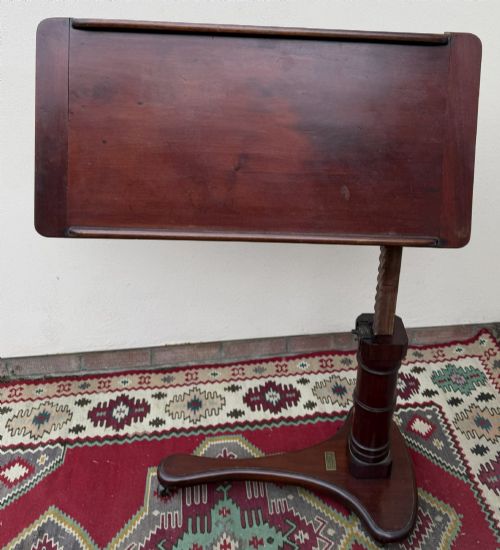
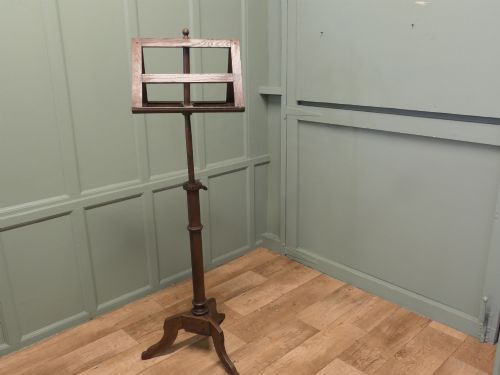
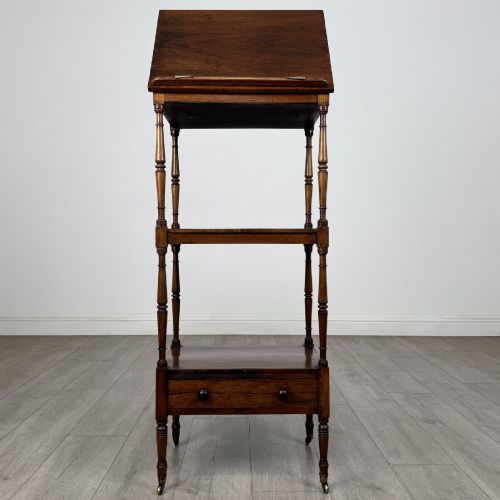
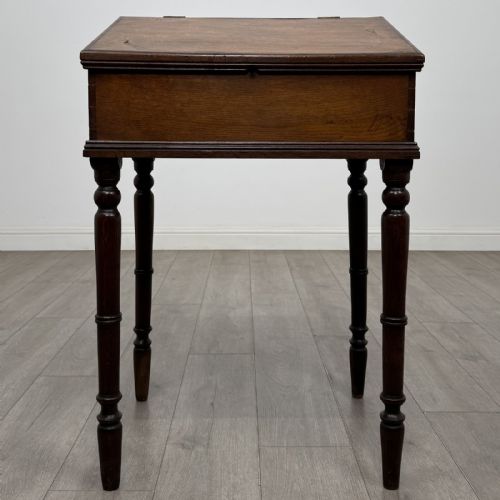
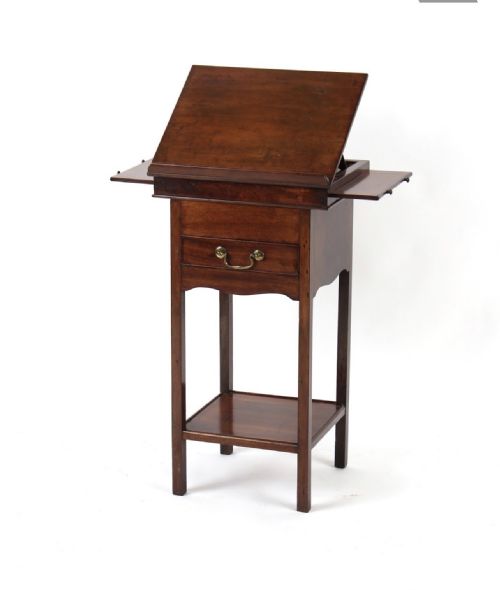
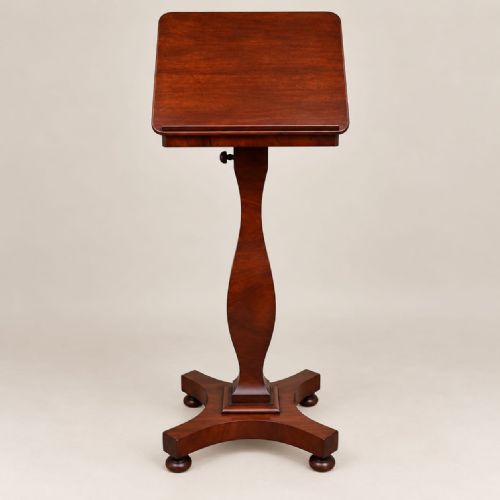
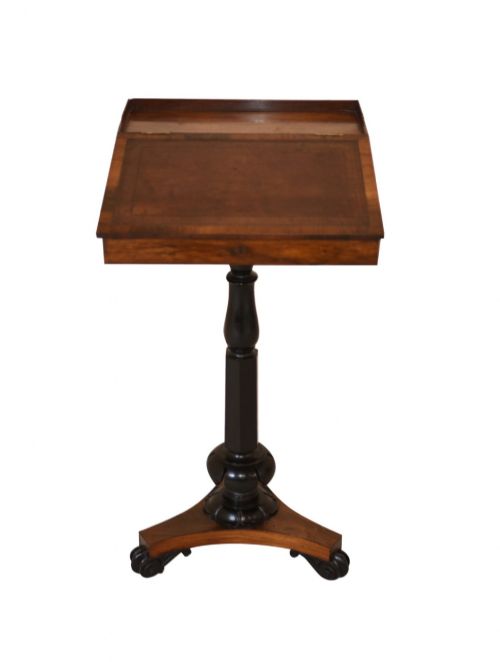
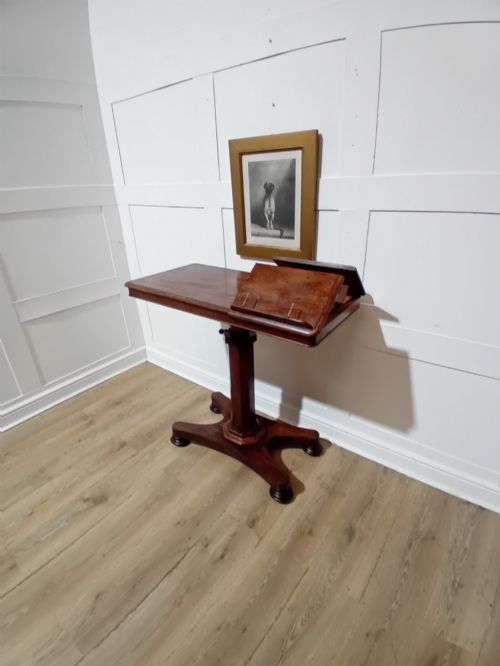
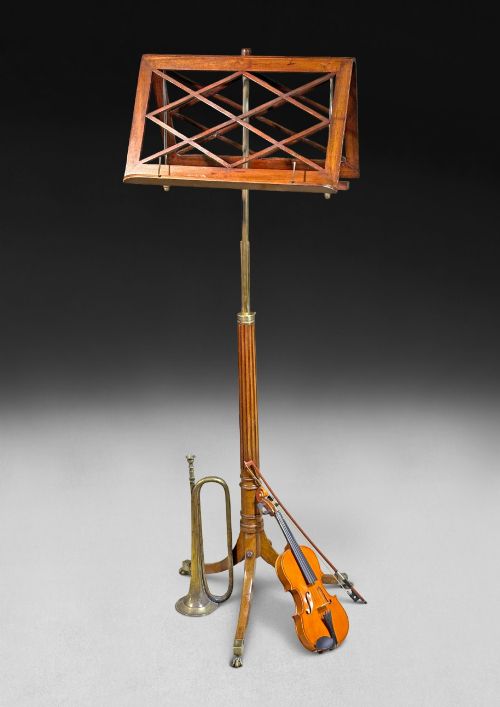
A reading desk stand encompasses adjustable library tables, tabletop book rests, music stands, and church lecterns designed to support books and documents at a readable angle. Buyers seeking this phrase encounter formats ranging from floor-standing oak podiums to compact mahogany table-top easels.
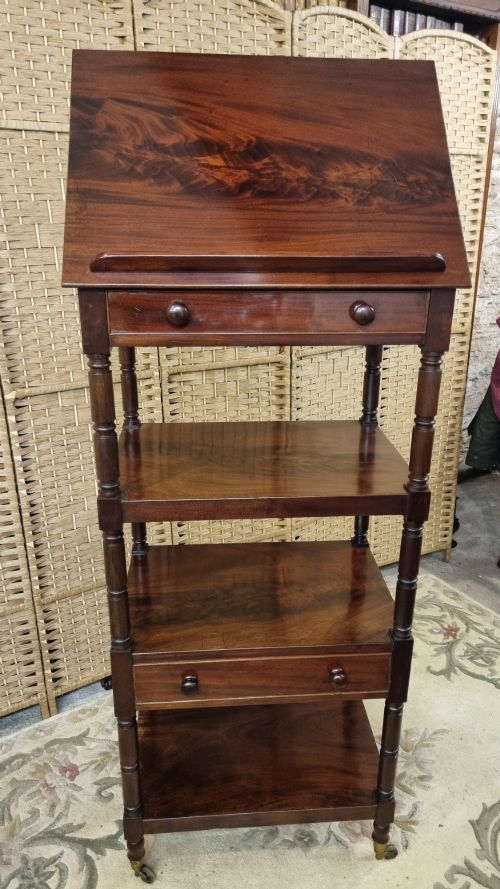
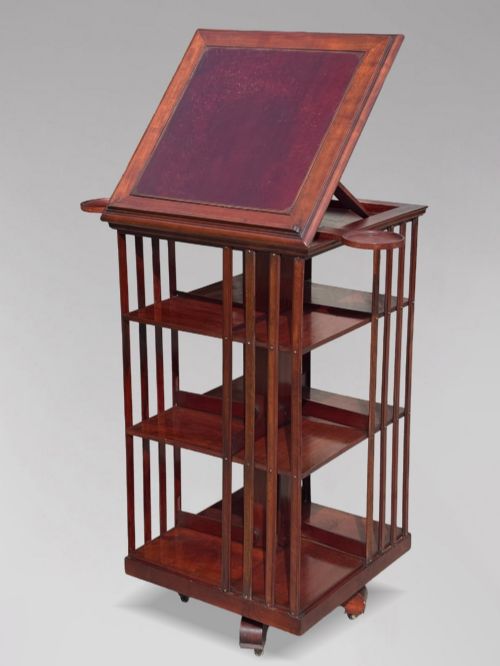
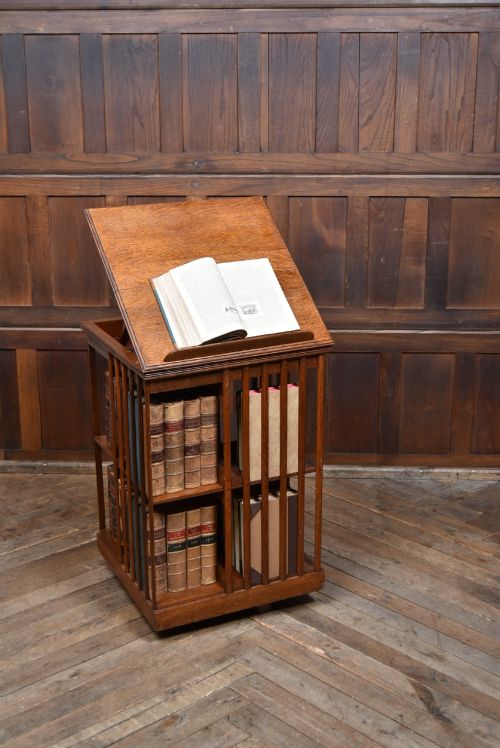
Victorian and nineteenth-century examples dominate the selection, often rendered in mahogany, oak, or rosewood with adjustable mechanisms. Pieces span specific domestic and institutional functions, including revolving bookcases, chairside tables, and campaign stands.
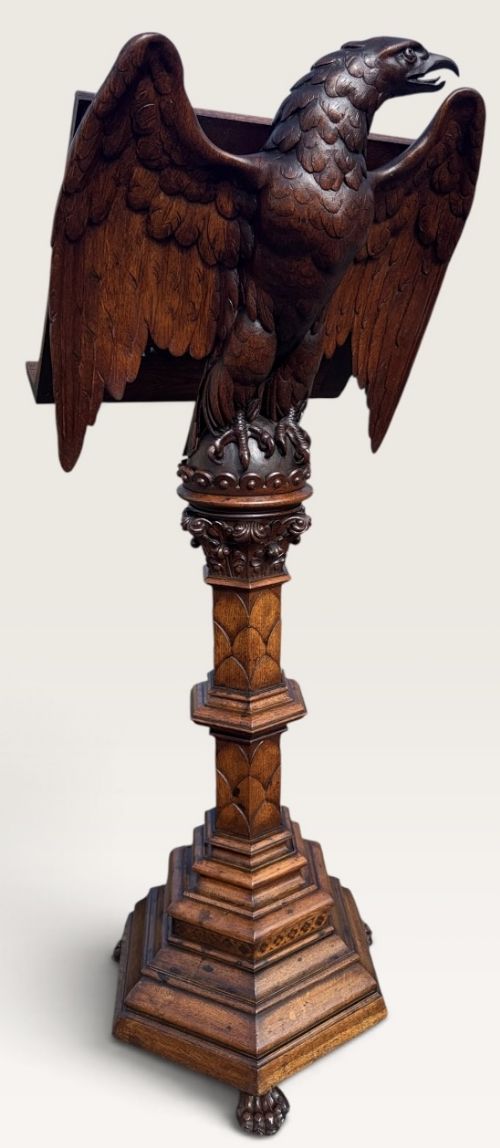
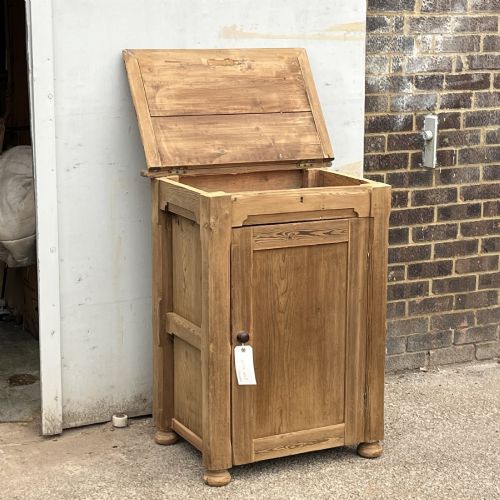
Stylistic influences vary from plain pine and arts and crafts oak to ornate gothic revival carving and regency elegance. Simpler desk-top versions sit alongside substantial floor lecterns featuring carved eagles or brass fittings.
Materials and construction
Cabinetmakers utilised hardwoods such as mahogany, oak, walnut, and rosewood alongside softer timbers like pine to build these stands. Brass hardware frequently provides the functional joints for pivoting, tilting, and height adjustment.
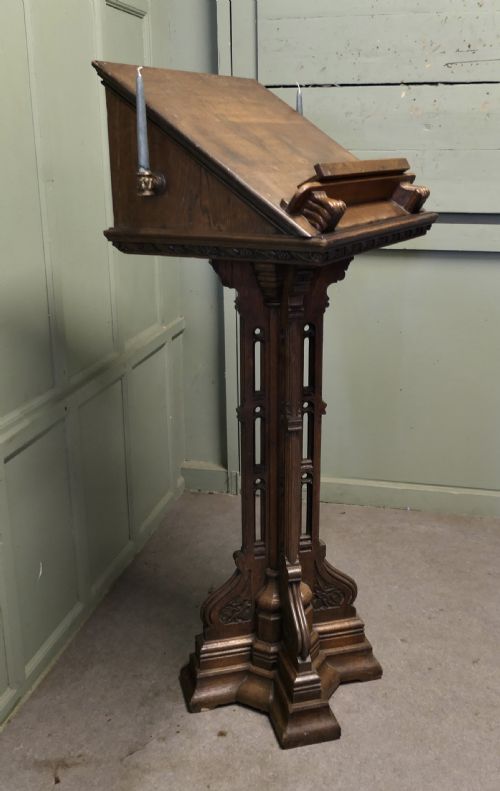
Carved decoration appears on ecclesiastical and revival pieces, utilising motifs like gothic tracery or figurative elements such as eagles. Joinery ranges from sturdy pinned framing on oak lecterns to fine mahogany framing on library tables.
Reading Desk Stand Retail Price Guide 2026
Typical asking prices for reading desk stand among the pieces listed under this phrase on Sellingantiques today, from the lower quarter to the upper quarter. They describe what is for sale here now, not the wider market.
Listings feature woods spanning mahogany, oak, walnut, rosewood, and pine, alongside brass and cast iron fittings.
Separating the ordinary from the exceptional
Construction integrity distinguishes better examples, visible in smooth sliding ratchets, robust brass pivots, and stable tripod or four-leg bases. Lesser pieces suffer from stiff or replacement adjustment mechanisms and loose joints.
Timber selection and decorative ambition elevate certain stands, such as figured rosewood, burr walnut, or crisp hand-carved oak details. Plain utility versions in pine or standard oak offer straightforward function with less decorative refinement.
Osborne Garrett And Co·Carters Of London
The Reading Desk Stand Glossary
- Lectern
- A tall stand with a sloped top designed to hold a book for reading aloud. These often appear in oak or pine for church and institutional settings.
- Ratchet support
- A notched wooden or metal bracket that holds a reading desk at various angles. It allows the user to alter the slope of the book rest.
- Revolving bookcase
- A compact shelving unit mounted on a rotating base to allow access to books from any angle. They frequently incorporate reading surfaces or display tops.
- Whatnot
- An open set of multi-tiered shelves used for displaying or storing small objects. Some period examples combine music stand functions with tier storage.
Reading Desk Stand: Frequently Asked Questions
What is a reading desk stand used for?
These stands support books, music sheets, and folios at an inclined angle to ease reading and posture. They serve in libraries, studies, and churches for consulting heavy volumes.
Domestic versions often integrate with armchairs or function as small occasional tables. Institutional variants provide tall, stable platforms for standing speakers.
How do you adjust the height?
Many nineteenth-century examples use brass ratchets, sliding columns, or screw mechanisms to alter the height and tilt. Users lift or rotate the desk surface to engage locking pins in preset notches.
Heavier floor-standing pieces rely on threaded iron or brass rods concealed within the central shaft. Care is required when operating older wooden threads to prevent stripping.
Are these stands suitable for modern books?
Most desk tops and ledges accommodate standard modern hardbacks and cookbooks without difficulty. Adjustable ledges prevent heavy volumes from sliding off the sloping surface.
Compact table-top versions suit kitchen counters or modern desks. Larger floor lecterns require dedicated floor space away from heavy foot traffic.
How do I identify a Victorian piece?
Victorian stands frequently employ dense timbers like mahogany and rosewood alongside cast iron components. Common design cues include turned columns, brass adjustment brackets, and gothic revival detailing.
Later nineteenth-century pieces often incorporate patented mechanical adjustments for reading tables. Simpler oak and pine versions reflect the concurrent arts and crafts movement.