


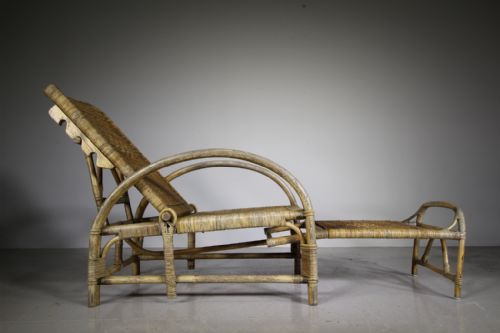


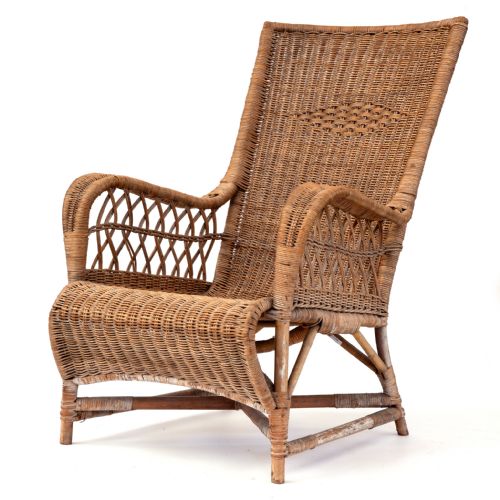
Rattan Cane Chair
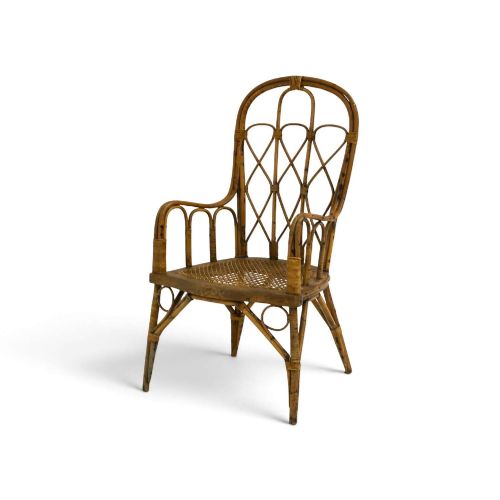
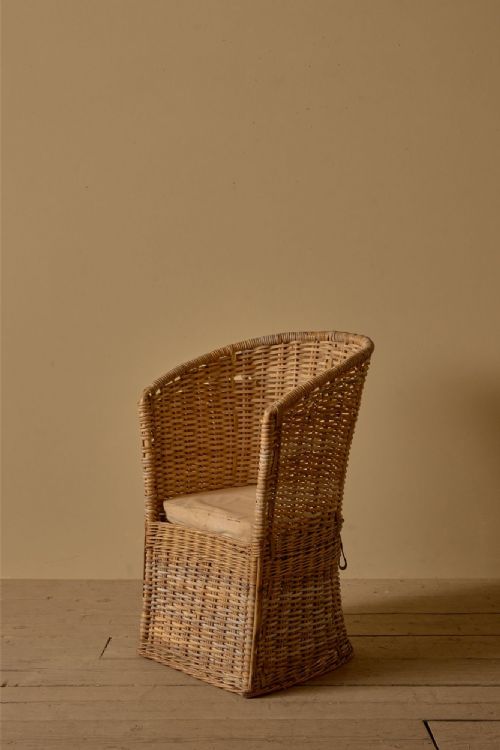
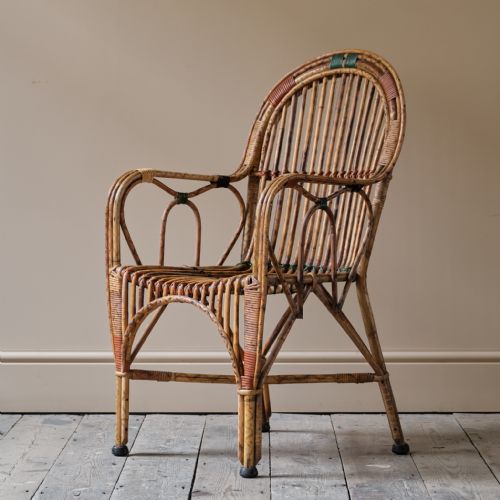
These rattan cane chairs bring together organic woven textures and structural timber frames from the nineteenth and twentieth centuries.
Rattan Cane Chair
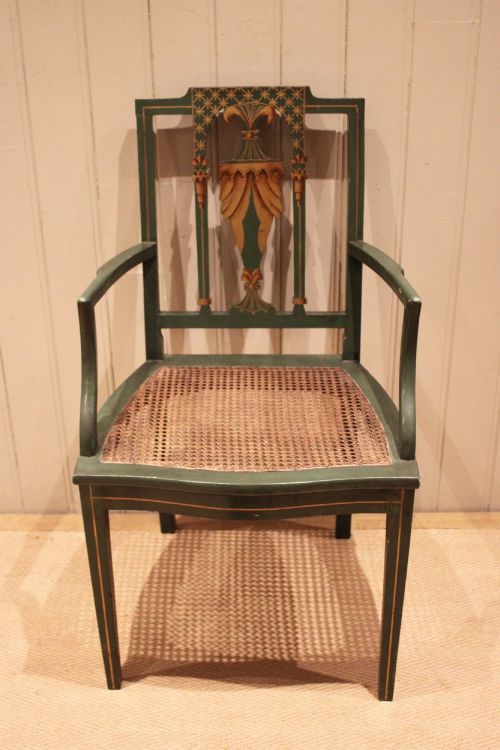
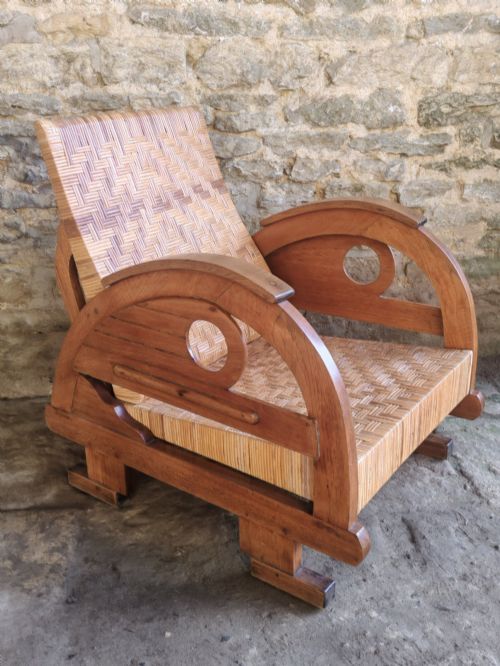
A rattan cane chair combines a sturdy wooden frame with flexible woven seating or backing. The selection on this page ranges from nineteenth century Regency and Victorian library seating to twentieth century modernist lounge designs and garden pieces.
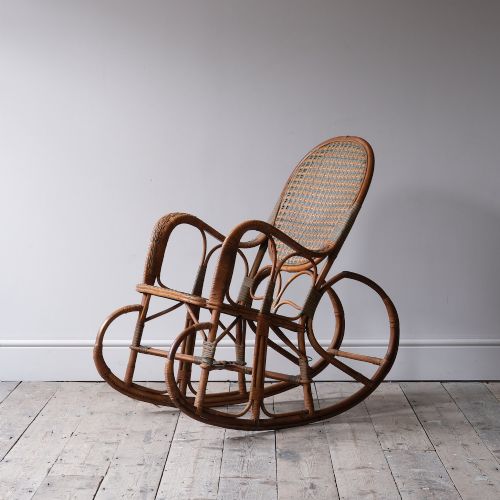
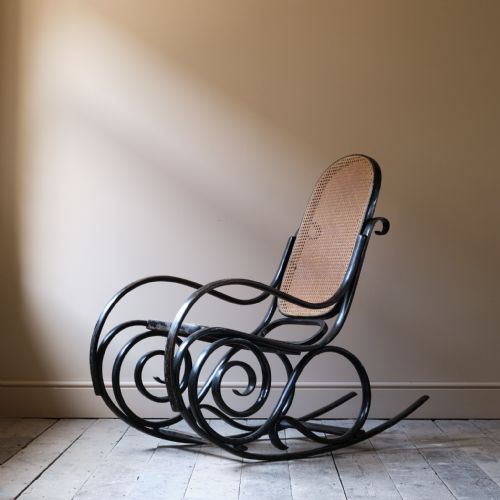
Armchairs, side chairs, rocking chairs and loungers form the primary options available. Buyers frequently encounter nineteenth century forms alongside later twentieth century iterations from distinct periods like the 1920s and 1930s.
Origins span across British workshops, colonial trade routes and continental European makers. These pieces serve functional seating needs while introducing natural tactile materials into domestic interiors.
How they were made
Construction relies on pairing woven plant materials with solid timber supports. Mahogany, oak, bamboo and teak provide the rigid framework required for structural integrity.
Cane, rattan, willow and rush are manipulated through handweaving techniques to create supportive seating surfaces and decorative backrests. Metal elements such as brass occasionally appear in framing or hardware details.
Rattan Cane Chair Retail Price Guide 2026
Typical asking prices for rattan cane chair among the pieces listed under this phrase on Sellingantiques today, from the lower quarter to the upper quarter. They describe what is for sale here now, not the wider market.
Several chairs include integrated foot extensions designed for lounging comfortably during long afternoons in colonial verandahs.
What varies in quality
The sophistication of the timber framing and the tightness of the weave dictate the overall standard of a piece. Well drawn proportions and refined joinery distinguish superior examples from simpler utilitarian seating.
The integrity of the woven material impacts longevity and tactile appeal. Tightly secured plant fibres demonstrate careful craftsmanship during production.
Angraves of Leicester·Dryad of Leicester·Thonet
The Rattan Cane Chair Glossary
- Bergere
- An upholstered armchair with enclosed sides where the wooden frame usually exposes cane webbing. This French seating form gained popularity in various periods.
- Cane
- Strips of material derived from the outer bark of the rattan palm, traditionally utilised for woven chair seats and backs. It provides a resilient yet flexible surface.
- Rattan
- A climbing palm with strong stems that are used whole for furniture framing or split for weaving. It offers natural flexibility and durability.
- Bentwood
- Wood that has been heated with steam and bent into curved structural shapes. This technique defines notable nineteenth and twentieth century seating designs.
- Plantation chair
- A wide-armed seating form designed for tropical or colonial environments, often featuring extended arms for resting legs. These chairs prioritise ventilation and comfort.
Rattan Cane Chair: Frequently Asked Questions
How do I care for cane furniture?
Keep these pieces away from direct heat sources and extreme moisture to prevent the natural plant fibres from becoming brittle. Regular dusting with a soft brush maintains the weave.
Occasionally dampening the underside of dry cane seating with a sponge helps restore moisture and tension to the fibres. Avoid placing heavy concentrated weight on unsupported woven areas.
Where should I place a rattan chair?
These chairs suit living rooms, conservatories and bedrooms where their organic texture softens heavy timber furniture. Placing them in moderate indoor climates ensures the longevity of the natural materials.
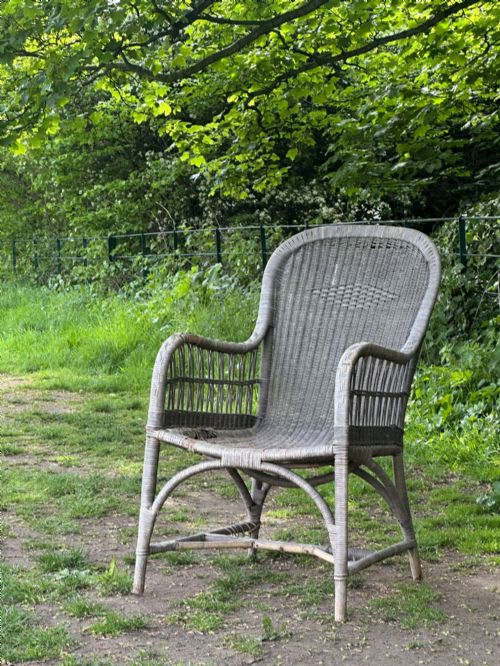
Garden variants tolerate sheltered outdoor conditions during dry weather but benefit from indoor storage during winter months. Ensure the chosen spot receives balanced indirect light.
How do I date an older cane chair?
Examine the timber framing style, joinery methods and turning details to align the piece with documented historical periods. Regency and Victorian examples typically display heavier classical framing compared to lighter twentieth century modernist lines.
Maker marks, stamps or paper labels affixed to the underside provide definitive manufacturing attribution. Construction quirks also indicate whether a piece originates from nineteenth century workshops or later decades.
What is the difference between rattan and cane?
Rattan refers to the whole solid vine or structural stem of the climbing palm used for framing furniture. It provides the rigid skeleton that supports the seating structure.