





Rattan Back Chairs
These rattan back chairs bring organic texture and relaxed seating to any room, offering historic character alongside durable woven materials.
Rattan Back Chairs
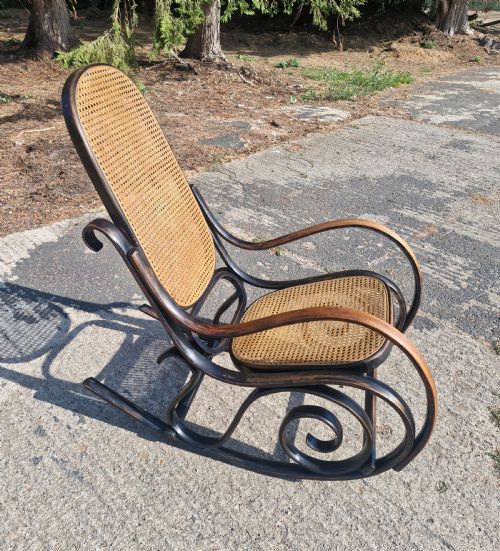
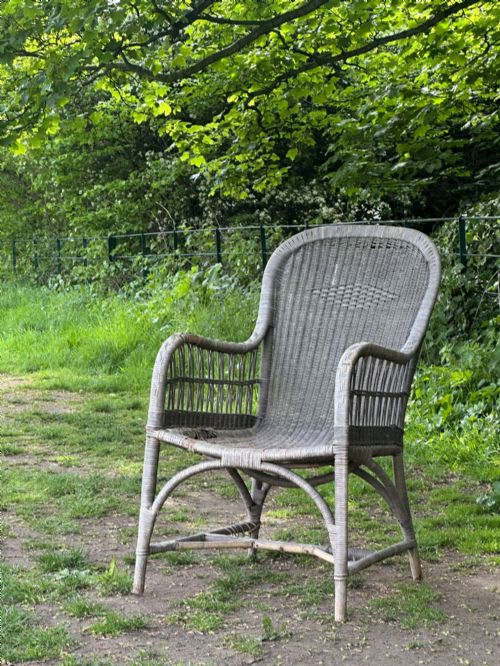
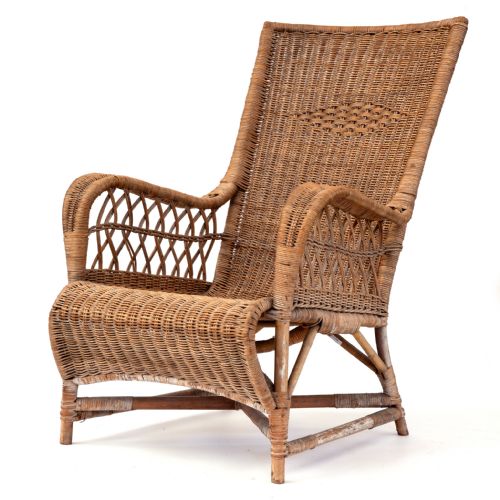
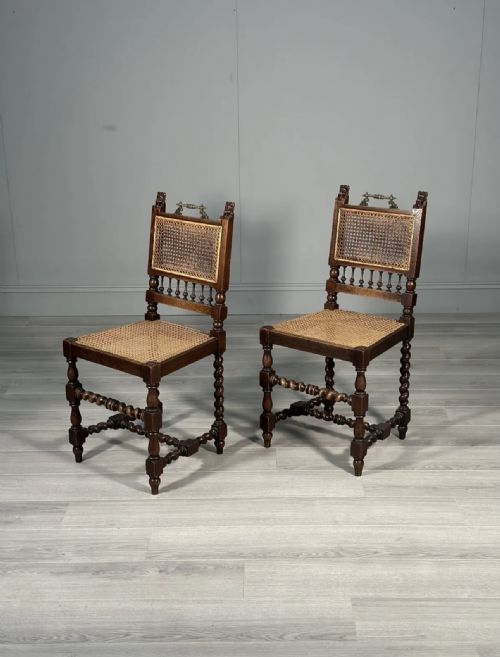
When you search for rattan back chairs, you encounter a varied selection of seating forms spanning the nineteenth and twentieth centuries. These pieces encompass dining chairs, side chairs, rocking chairs, and substantial armchairs designed for both indoor and conservatory use.
You are most likely to meet twentieth-century examples on this page, particularly pieces from the 1920s alongside Victorian and nineteenth-century forms. The selection includes styles ranging from Arts and Crafts and Carolean to Anglo-Indian Colonial and Jacobean Revival.
How they were made
Maker construction relies on natural plant materials combined with solid timber frameworks such as oak, beech wood, teak, and bentwood. Artisans shape these woods through steaming and joinery to form sturdy structural frames.
The characteristic backs and seats utilise handwoven cane, rattan, willow, and rattan cane. Makers secure these pliable vegetal strands through intricate interlacing techniques that distribute weight evenly while providing flexible support.
Rattan Back Chairs Retail Price Guide 2026
Typical asking prices for rattan back chairs among the pieces listed under this phrase on Sellingantiques today, from the lower quarter to the upper quarter. They describe what is for sale here now, not the wider market.
Listings feature items dated across the nineteenth and twentieth centuries, including Victorian, 1900, 1920, and 1930 periods.
What varies in quality
The distinction between standard utility seating and finer workshop production lies in the precision of the woven panels and the integrity of the timber frame. Superior examples demonstrate tight, uniform cane work that maintains tension across the entire backrest.
Design distinction also separates ordinary regional output from notable makers like Dryad of Leicester or Thonet. Better pieces exhibit thoughtful ergonomic proportions, balanced decorative carving, and harmonious material combinations such as brass fittings.
Dryad of Leicester·Thonet
The Rattan Back Chairs Glossary
- Bentwood
- Wood softened by steam and bent into curved structural shapes. This technique defines lightweight yet resilient chair frames.
- Cane
- Strips derived from the outer bark of rattan palms. It provides a smooth, durable surface for woven chair seats and backs.
- Plantation Chair
- A deep-seated armchair featuring extended arms designed for tropical relaxation. These pieces often incorporate local hardwoods and woven panels.
- Willow
- Flexible woody shoots utilised in basketry and seating construction. It offers a rustic alternative to imported cane.
Rattan Back Chairs: Frequently Asked Questions
How do I clean rattan back chairs?
Dust the woven panels regularly using a soft brush attachment on a vacuum cleaner.
Maintain the moisture of the natural fibres by occasionally wiping them with a damp cloth followed by thorough drying.
Can I use these chairs outdoors?
Most historic seating relies on natural plant fibres that degrade under prolonged exposure to rain and direct sunlight.
Position these chairs inside sunrooms or sheltered living spaces to preserve the integrity of the cane and wood.
How do I identify a Dryad piece?
Dryad workshop items typically display sturdy craftsmanship characteristic of the early twentieth-century Arts and Crafts movement.
Look for robust woven forms and refined proportions that distinguish them from standard commercial seating.
What is the difference between cane and rattan?
Cane refers specifically to the peeled outer skin of the rattan palm used for woven webbing.
Rattan encompasses the entire solid or core vine utilised for the structural framework of lighter chairs.