
Queen Anne Style Cupboard
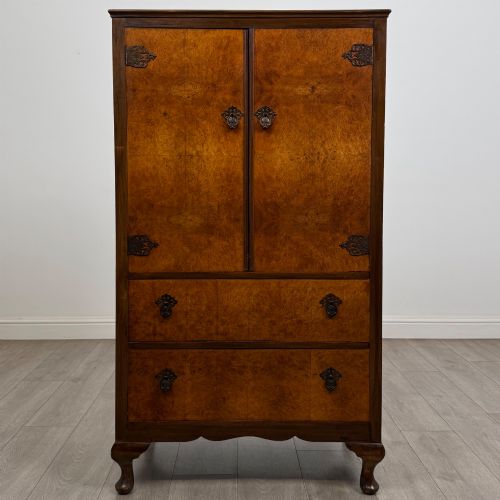
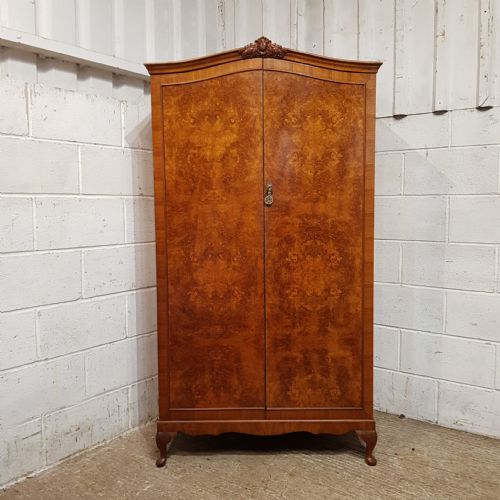
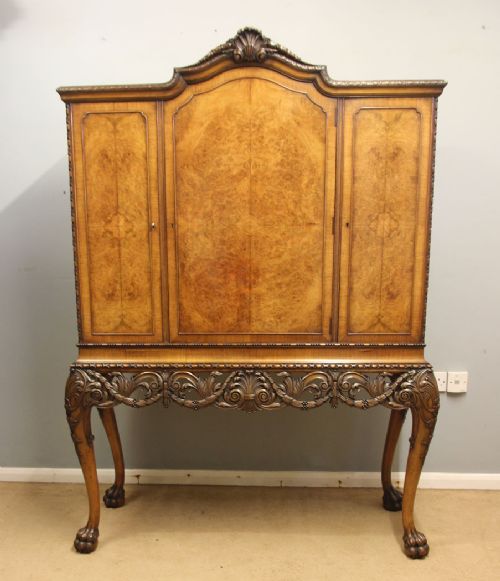
A queen anne style cupboard brings figured woods and shaped cabriole lines into a room, offering practical storage with distinct period character.
Queen Anne Style Cupboard
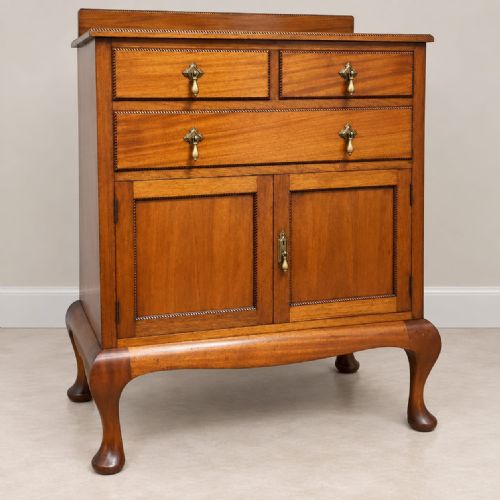
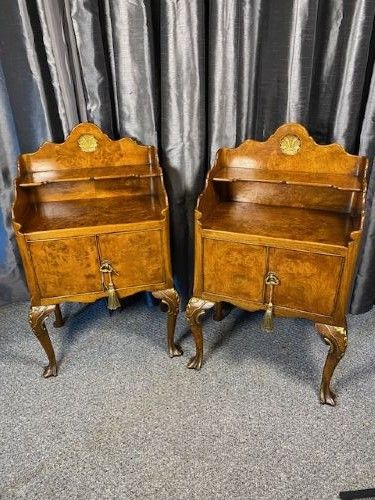
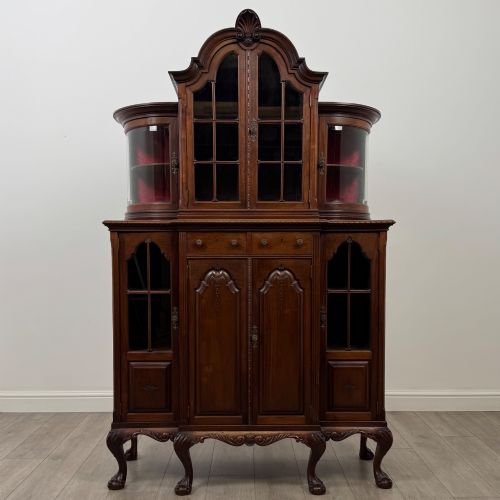
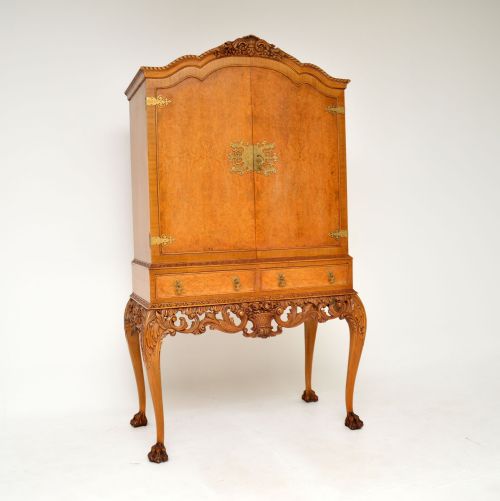
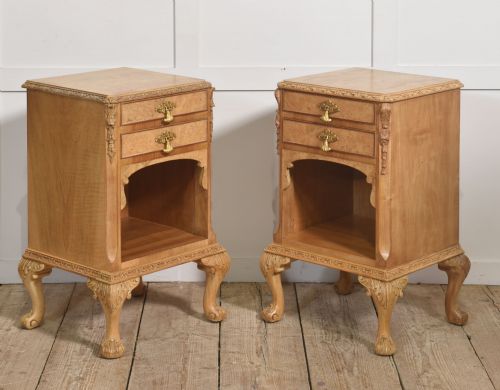
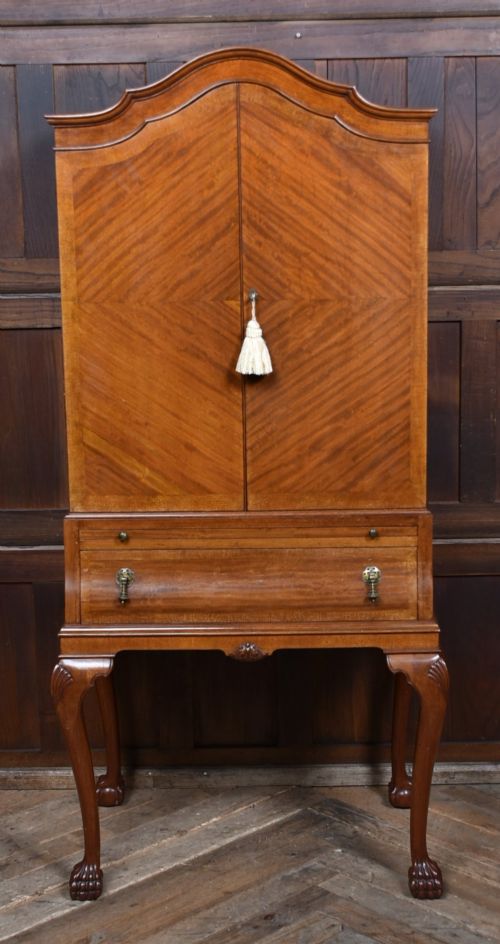
A queen anne style cupboard encompasses a range of storage forms, from bedside cabinets and cocktail units to corner cupboards and tall chests. These pieces typically follow revival aesthetics developed across the nineteenth and twentieth centuries, channeling earlier eighteenth-century proportions.
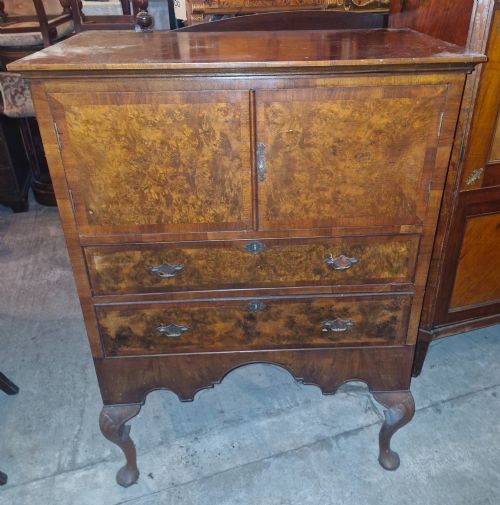
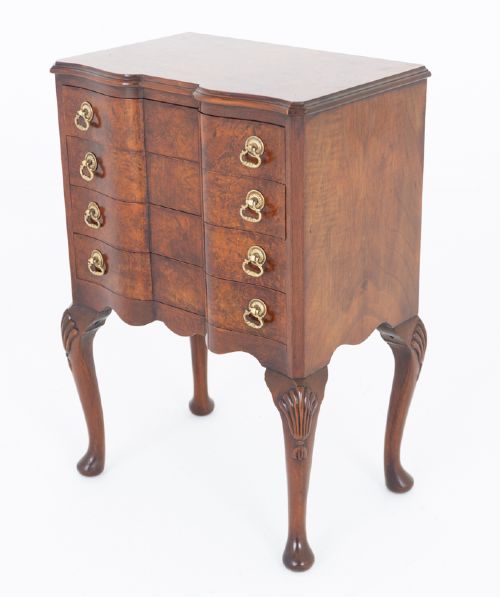
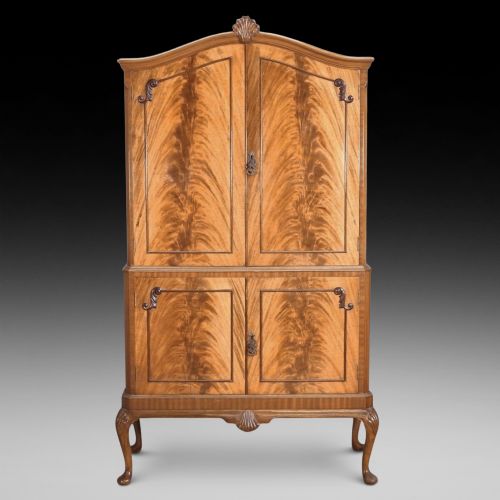
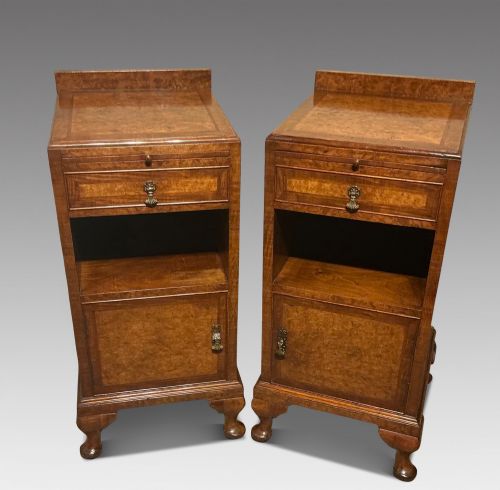
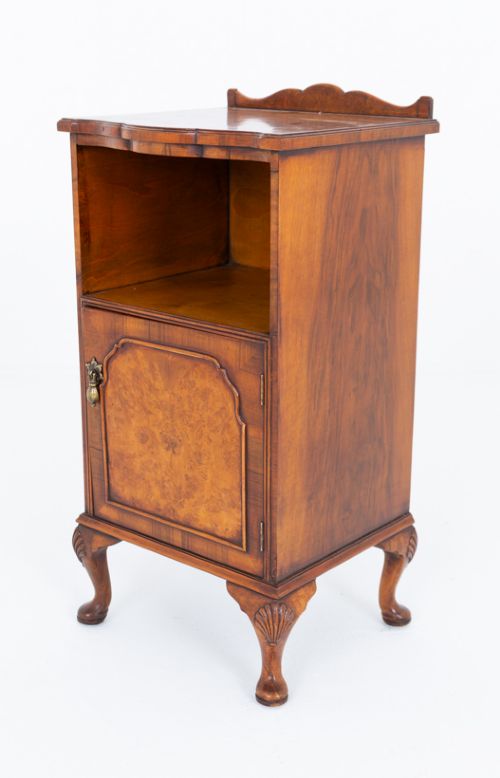
The version most commonly met on this page is the walnut or burr walnut bedside cabinet or drinks cabinet dating from the early twentieth century, particularly the 1920s and 1930s. Alongside these, occasional mahogany examples and nineteenth-century interpretations appear to provide alternative scales and finishes.
How they were made
Cabinet makers utilised solid woods like walnut and mahogany as structural carcasses, frequently applying decorative burr walnut or flame walnut veneers across prominent exterior surfaces to create striking grain patterns. Brass hardware, including hinges and key escutcheons, provides functional and decorative accents.
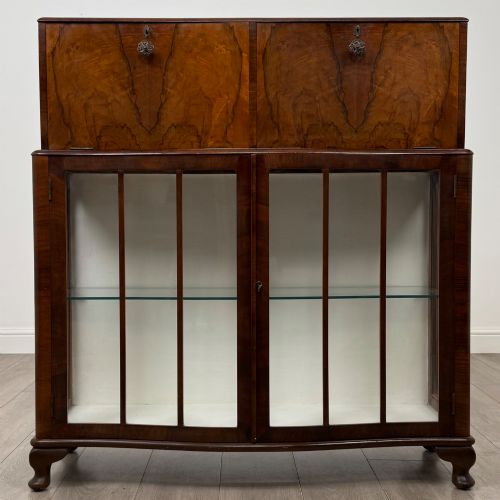
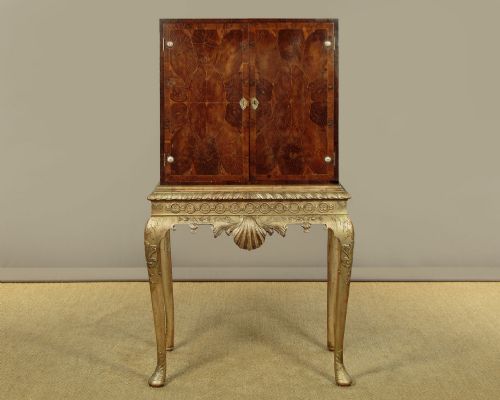
Glass panels feature in display and cocktail cabinets, while specialist finishes such as japanning or silver gilt stands appear on select forms. Joinery methods combine traditional framing with veneering techniques suited to the shaped fronts and cabriole legs characteristic of the revival period.
The selection spans the nineteenth century, Edwardian period, and 1920s and 1930s revival pieces.
What varies in quality
The selection and matching of burr walnut or flame walnut veneer across doors and drawer fronts dictate much of the visual appeal, separating standard production from exceptional examples. Timber choice extends to the solidity of secondary woods and the precision with which decorative mouldings are applied.
Proportion and the execution of characteristic details like cabriole legs or brass fittings determine the overall refinement of a piece. Finer items demonstrate careful attention to interior fittings, such as adjustable shelving or tailored storage compartments in drinks cabinets.
The Queen Anne Style Cupboard Glossary
- Burr walnut
- A figured wood veneer derived from the growths or burls of walnut trees, prized for its swirling, intricate grain patterns. It forms the primary decorative surface on many twentieth-century revival cabinets.
- Cabriole leg
- A furniture leg that curves outward in a convex arc before tapering inward in a concave sweep, often ending in a pad or claw foot. This profile is central to the design vocabulary of these pieces.
- Japanning
- A European imitation of East Asian lacquerwork, built up through layers of varnish and metallic dust. It appears on select eighteenth-century and revival storage forms.
- Kneehole desk
- A compact desk or dressing table featuring a central recess for the user's knees, flanked by banks of small drawers. This form frequently incorporates shaped walnut veneers.
- Tallboy
- A tall chest of drawers standing upon another chest or a low base, maximising vertical storage capacity. Examples in the evidence utilise mahogany and walnut.
Queen Anne Style Cupboard: Frequently Asked Questions
What rooms suit a queen anne style cupboard?
These cabinets suit living spaces, bedrooms, and dining rooms where enclosed storage is required. Bedside versions fit beside lower beds, while cocktail and corner cabinets utilise smaller wall spaces.
Their warm walnut and mahogany tones complement both traditional interiors and neutral modern backgrounds. The variety of scales allows placement in hallways or studies without overwhelming the floor plan.
How do I identify a revival piece from an original?
Twentieth-century revival pieces typically exhibit machine-cut dovetails, modern secondary timbers, and standardised internal hardware beneath their traditional exterior styling. Eighteenth-century originals display hand-cut joinery, pegged framing, and timber ageing consistent with earlier workshop practices.
Examining drawer linings, backboards, and interior construction reveals the manufacturing period. Most examples found here date from the Edwardian era through the mid-twentieth century.
Were cocktail cabinets common in the period?
Cocktail and drinks cabinets became popular during the 1920s and 1930s as entertaining habits shifted toward home-based social gatherings. Makers adapted traditional cupboard forms to house glassware, bottles, and mirrored serving surfaces.
These pieces often feature drop-down flaps or double doors opening to fitted compartments. They represent a distinct twentieth-century interpretation of classic cabinet-making styles.
How should I care for walnut veneer surfaces?
Walnut veneers benefit from minimal intervention, requiring only gentle dusting with a dry or slightly damp soft cloth. Avoid placing these cabinets in direct sunlight or near heat sources to prevent the veneer from drying or lifting.
Occasional application of appropriate wax polish maintains the lustre of the timber. Keeping indoor humidity stable preserves both the solid wood frame and the decorative surface veneers.