



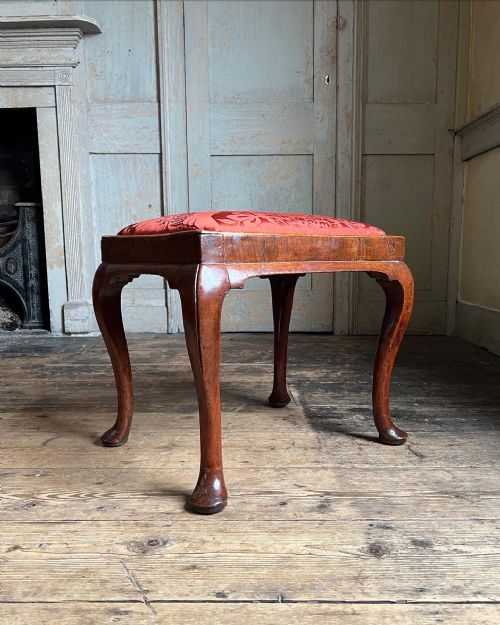


Queen Anne Dressing Seat
A queen anne dressing seat brings low, carved elegance to a vanity or bedroom, offering compact charm and upholstered comfort.
Queen Anne Dressing Seat
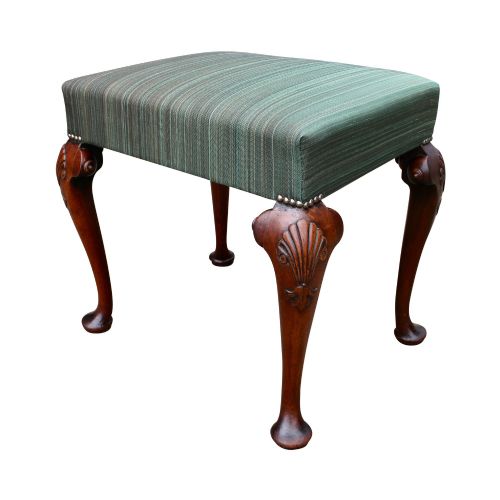
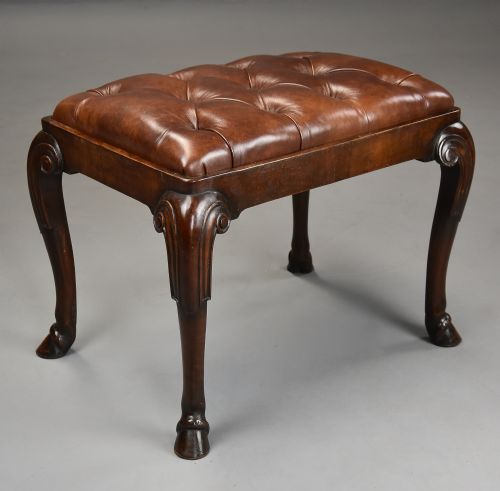
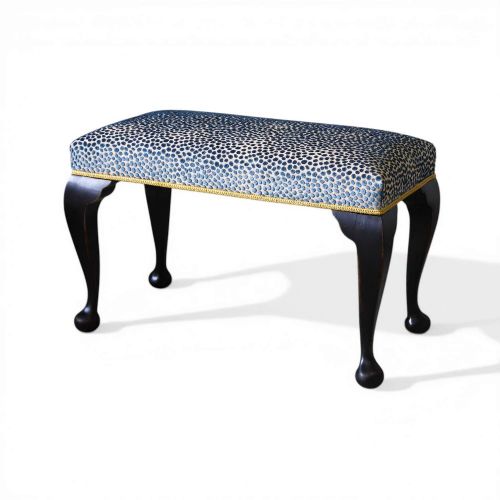
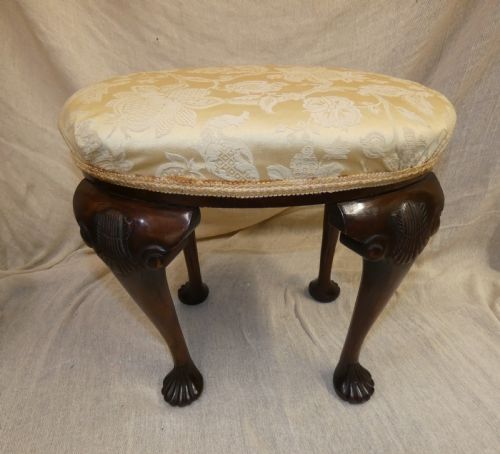
A queen anne dressing seat typically takes the form of a low stool or bench designed to sit comfortably beneath a dressing table. When exploring queen anne dressing seat examples, you will encounter pieces shaped primarily in walnut or mahogany, often bearing the characteristic cabriole leg.
The selections span from original 18th-century pieces to later revival iterations from the Victorian, Edwardian, and 19th-century periods. These seating options serve functionally as footstools, piano benches, or bedroom vanity seats while maintaining historical design lines.
Materials and construction
Makers shaped the frames predominantly from solid walnut or mahogany, employing traditional joinery to support the load. These wooden structures were frequently carved with subtle knee details on the legs.
Upholstery completed the piece, utilising materials like textile, fabric, leather, wool, and tapestry. Needlepoint tops were also common, secured over padded seats to provide everyday comfort.
Queen Anne Dressing Seat Retail Price Guide 2026
Typical asking prices for queen anne dressing seat among the pieces listed under this phrase on Sellingantiques today, from the lower quarter to the upper quarter. They describe what is for sale here now, not the wider market.
Listings span multiple eras, encompassing original Georgian craftsmanship alongside Victorian, Edwardian, and later revival interpretations in walnut and mahogany.
Evaluating craftsmanship
Quality rests in the crispness of the wood carving and the integrity of the frame construction. Superior examples display smooth, continuous lines along the cabriole legs without clumsy repairs.
The choice of primary timber and the execution of the upholstery also dictate the tier of a piece. Finer items feature dense walnut grains and hand-worked tapestry or needlepoint seat covers.
The Queen Anne Dressing Seat Glossary
- Cabriole leg
- A furniture leg that bends outward in a convex curve at the knee and tapers inward in a concave curve below. This shape resembles the front leg of an animal and defines the style.
- Walnut
- A heavy, dark timber favoured for fine cabinet making during the early 18th century and subsequent revivals. Its rich grain accepts carving well.
- Needlepoint
- A type of canvas work embroidery used historically to cover seat pads. It provides a durable and decorative surface for frequent use.
- Claw and ball
- A foot motif carved at the base of a furniture leg, depicting a bird's talon clutching a ball. This detail appears on select revival and period pieces.
- Window seat
- A long, narrow form of stool or bench intended for placement beneath a window. It shares similar structural characteristics with dressing stools.
Queen Anne Dressing Seat: Frequently Asked Questions
What distinguishes a dressing seat from a standard footstool?
A dressing seat generally stands at a slightly greater height to accommodate a person sitting upright at a vanity table. Footstools sit lower to the ground for resting feet.
Their proportions reflect their original domestic functions in the bedroom or dressing room.
How can I tell an 18th-century piece from a revival piece?
Examination of the timber, tool marks, and construction joints reveals the age of the woodwork. Period pieces show natural wear and timber oxidation consistent with centuries of handling.
Revival pieces from the Victorian or Edwardian eras often use machine-cut elements and cleaner internal framing.
Are these seats suitable for daily use in a modern home?
These sturdy wooden frames are built to withstand regular sitting when structurally sound. Their compact size makes them adaptable for dressing rooms, hallways, or living spaces.
Placing them away from direct heat sources helps preserve the antique wood and upholstery.
What upholstery materials appear most frequently on these seats?
Textiles, fabric, wool, leather, and tapestry feature prominently across the surviving examples. Many retain traditional needlepoint coverings worked by hand.
Revival and period pieces alike showcase these varied tactile surfaces.