



Qing Dynasty Seat
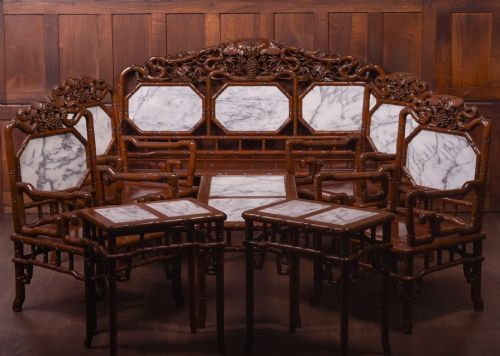
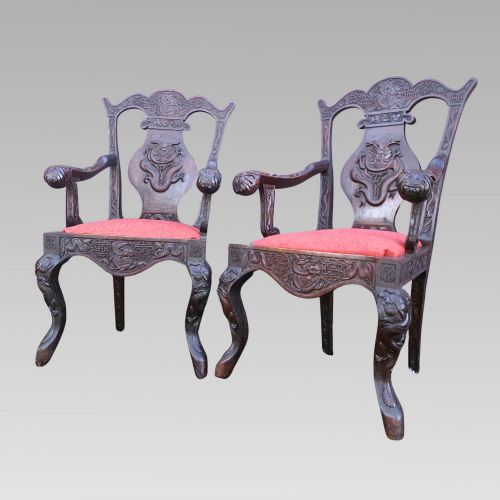
A qing dynasty seat brings centuries of Imperial craftsmanship into a modern interior, offering substantial seating carved from dense hardwoods or finished in rich lacquer.
Qing Dynasty Seat
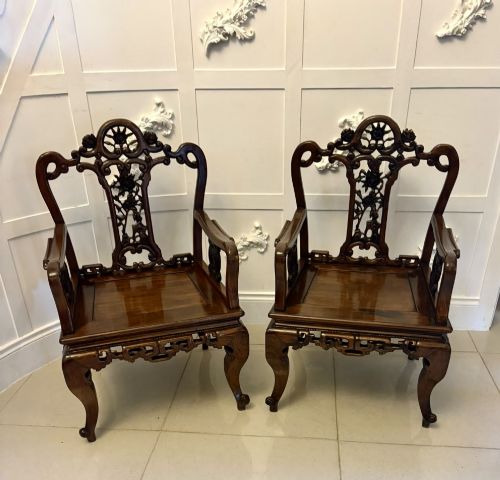
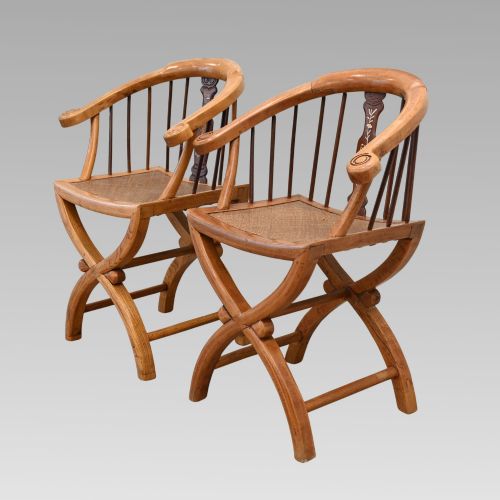
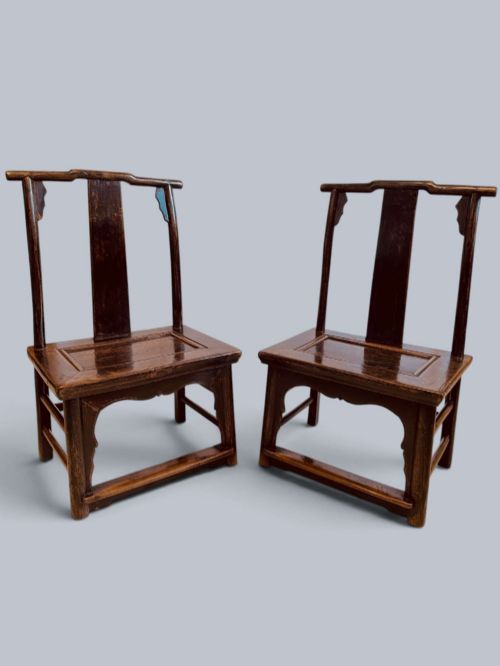
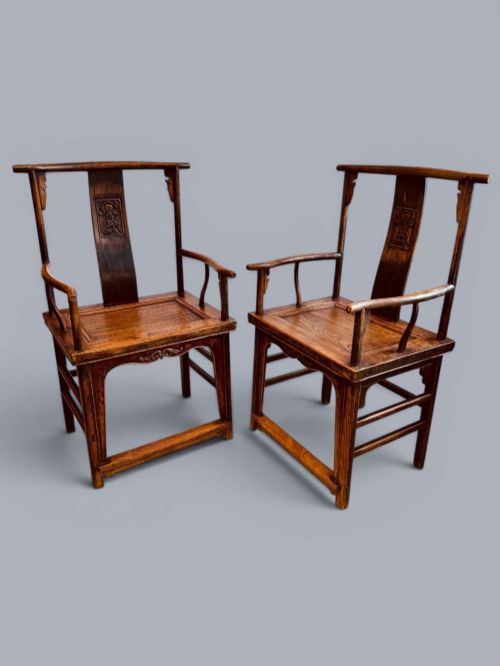
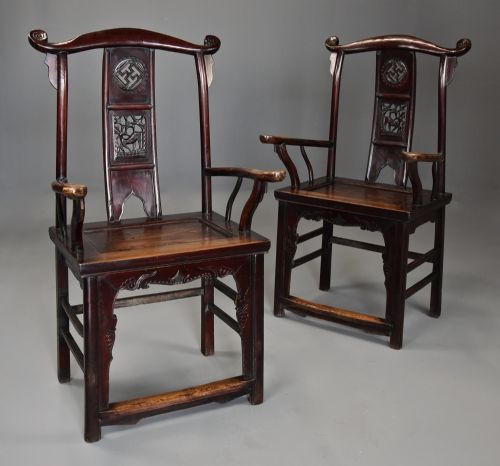
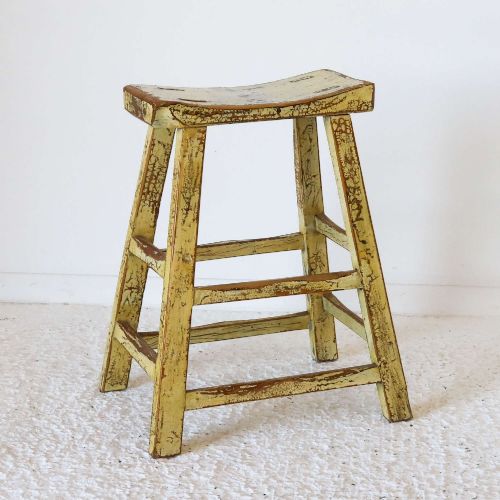
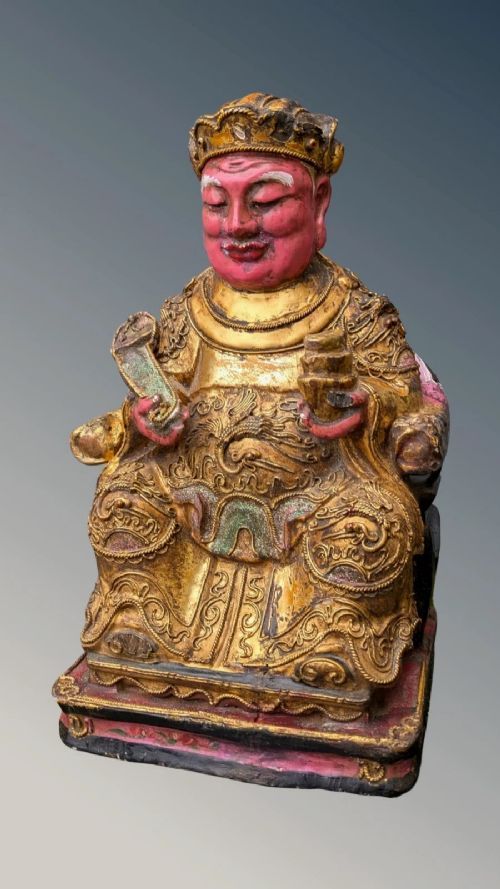
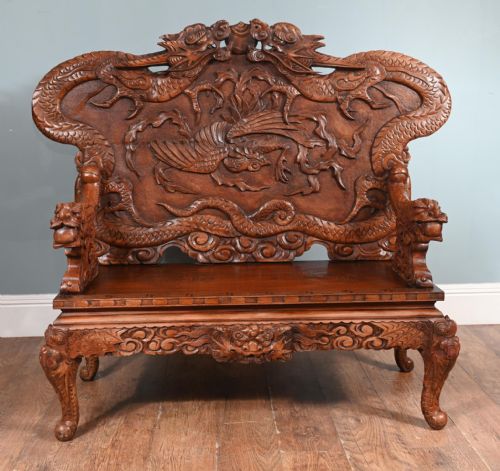
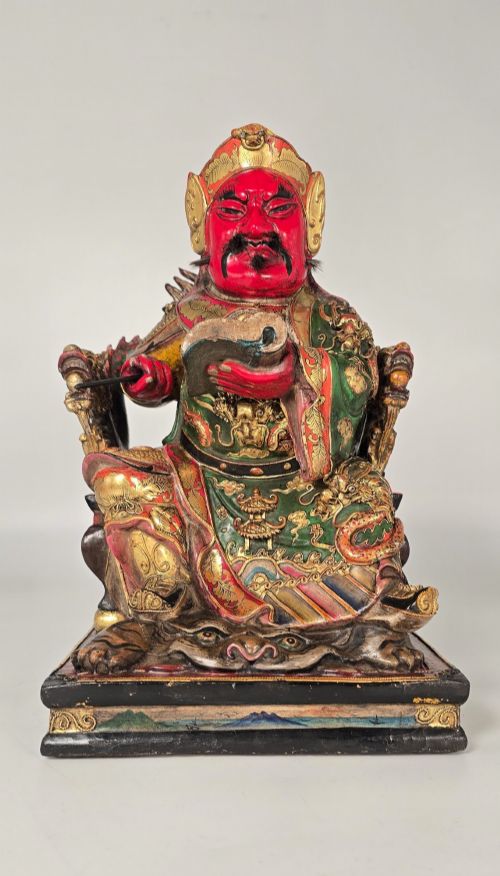
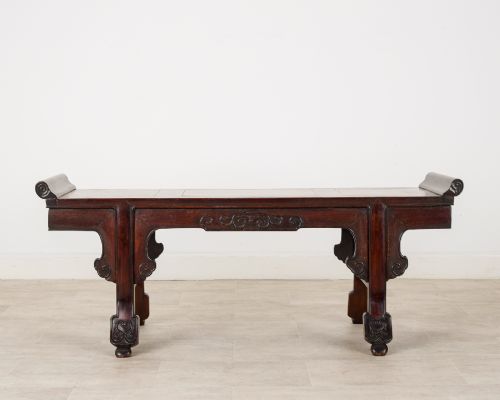
A qing dynasty seat encompasses diverse seating forms ranging from robust hardwood armchairs and low stools to extensive hall benches and ceramic garden seats. The items seen on this page span the eighteenth, nineteenth, and early twentieth centuries, reflecting both traditional domestic furniture and courtly commissions.
Armchairs and throne chairs frequently employ dense tropical timbers like hongmu or rosewood, whilst simpler domestic examples utilise elm with original red lacquer finishes. Garden seats constructed from blue and white or famille rose porcelain provide alternative sculptural forms designed for courtyards and interior display.
Materials and construction methods
Cabinetmakers constructed these pieces primarily from heavy hardwoods, elm, and bamboo, employing intricate joinery that frequently bypassed metal fasteners entirely. Surfaces received tactile decoration through hand-carved dragon motifs, cinnabar lacquer, gold leaf application, and mother-of-pearl inlay.
Ceramic garden seats were thrown in porcelain and glazed with polychrome pigments or blue and white designs before firing. Wooden seating often retained natural patinas or protective coats of lacquer that aged through decades of use.
Qing Dynasty Seat Retail Price Guide 2026
Typical asking prices for qing dynasty seat among the pieces listed under this phrase on Sellingantiques today, from the lower quarter to the upper quarter. They describe what is for sale here now, not the wider market.
The documented periods span the eighteenth century through to the early twentieth century.
Distinctions in craftsmanship
Quality rests upon the crispness of the woodcarving and the density of the chosen timber, with dense rosewood and hongmu allowing for deeper, sharper relief than softer domestic woods. The survival of original lacquer surfaces, gilding, and brass inlay directly influences the visual strength of a piece.
Proportion and structural integrity distinguish utilitarian items from pieces made for formal reception rooms or scholarly halls. Refined joinery ensures the piece maintains stability without relying on modern hardware.
The Qing Dynasty Seat Glossary
- Hongmu
- A dense, heavy Chinese hardwood prized for its deep natural colour and ability to hold intricate carved detail. It forms the primary structure of many formal throne chairs and benches.
- Cinnabar lacquer
- A building up of multiple layers of red lacquer on a wooden core before carving intricate figures or dragons into the surface. This technique requires considerable time and skill from the artisan.
- Famille rose
- A palette of opaque enamel colours dominated by pink, used on porcelain garden seats dating to the later nineteenth century. The style allows for complex pictorial scenes rendered across curved ceramic bodies.
- Yokeback armchair
- A traditional Chinese chair style featuring a top crestrail that curves outward to support the sitter's head and shoulders. These chairs balance ergonomic comfort with formal architectural presence.
- Sino-Tibetan
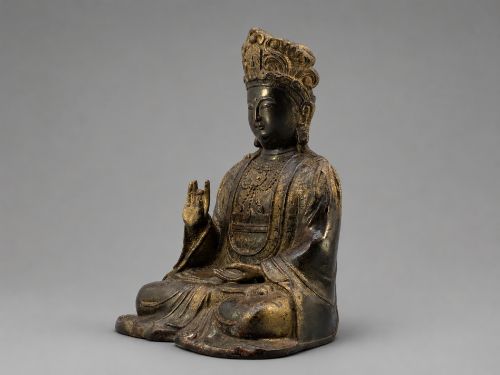
- An aesthetic blending Chinese dynastic techniques with Tibetan Buddhist iconography, frequently seen in gilt-bronze ritual figures and temple furnishings.
Qing Dynasty Seat: Frequently Asked Questions
Where were these seats originally placed?
Formal armchairs and throne chairs stood in the reception halls of wealthy households or official residences, signifying status and authority.
Smaller stools, benches, and ceramic garden seats served flexible functions across interior rooms, courtyards, and covered verandahs.
How do I care for lacquer furniture?
Historic lacquer requires stable environmental conditions away from direct sunlight and extreme humidity fluctuations to prevent cracking or lifting.
Dust the surface gently with a soft, dry cloth and avoid applying modern chemical polishes or waxes.
Are porcelain garden seats waterproof?
Traditional porcelain garden seats are fired at high temperatures and resist moisture, making them suitable for sheltered outdoor garden use.
Protect them from freezing winter temperatures outdoors to prevent the ceramic body from cracking.
What is hongmu wood?
Hongmu translates literally as red wood and describes a category of dense, slow-growing tropical hardwoods used in high-status Chinese furniture.
Its heavy weight and tight grain allowed artisans to carve deep, precise decorative motifs without weakening the structural frame.