
Qing Dynasty Scholar Object
When searching for a qing dynasty scholar object, a collector encounters functional desk accessories fashioned for the traditional Chinese literati.
Qing Dynasty Scholar Object
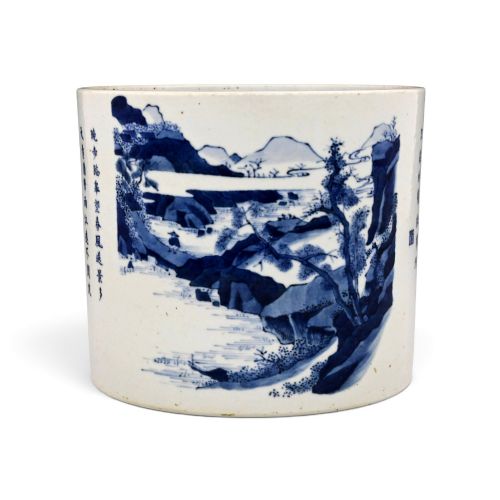
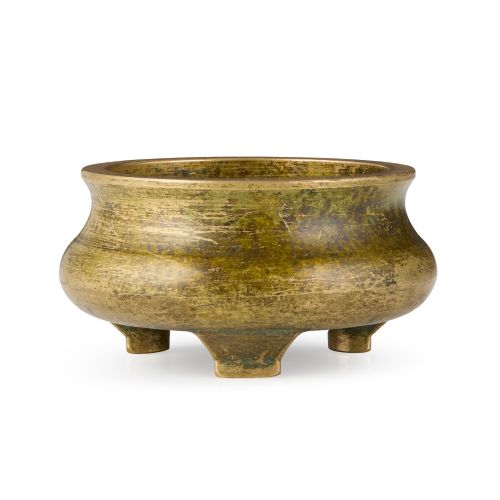
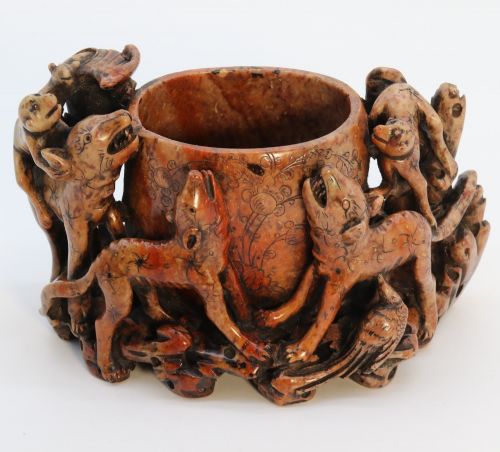
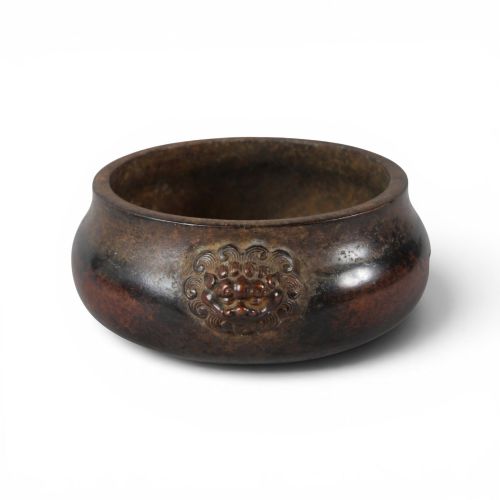
A qing dynasty scholar object encompasses the portable items and desk accessories populated within the traditional studio, designed for writing, painting, and contemplation. The selections seen here predominantly take the form of cylindrical brush pots, brush washers, incense burners, seals, and figurative carvings.
The materials span nephrite and celadon jade, hardwoods, various bronzes, bamboo, and porcelains decorated in blue and white, powder-blue, or flambé glazes. These pieces originate from the historical periods of the Qing Dynasty, stretching from the seventeenth century through to the end of the nineteenth century.
Buyers will most frequently meet ceramic brush pots alongside jade carvings and bronze censers, each reflecting the aesthetic priorities of the Imperial era. Every item served an active purpose in the scholar's studio, combining utilitarian design with refined artistic expression.
Materials and Technique
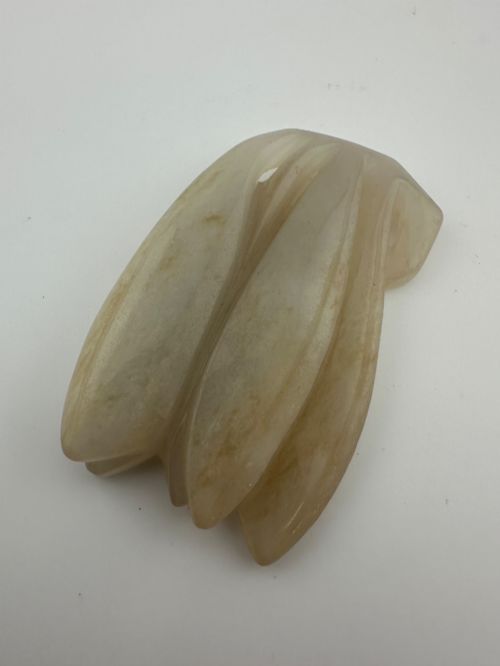
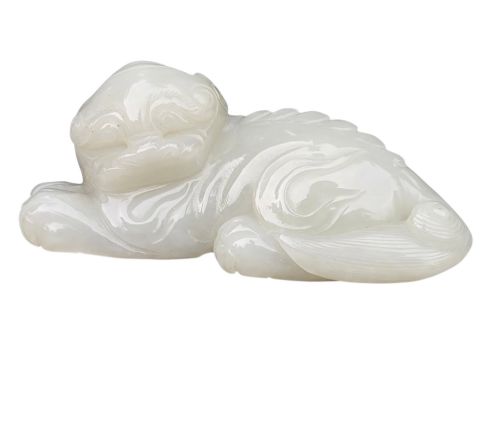
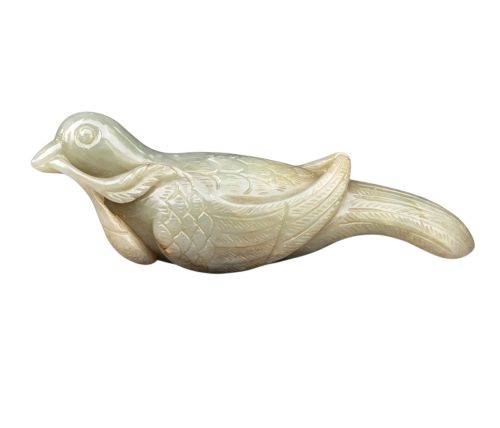
Hardstones such as nephrite and celadon jade were shaped through patient abrasion utilising water and abrasive grit, transforming raw pebbles into smooth carvings and hollowed washer bowls. Artisans worked closely with the natural inclusions and russet skins of the stone to accentuate figurative details like dragons, mythical beasts, and water birds.
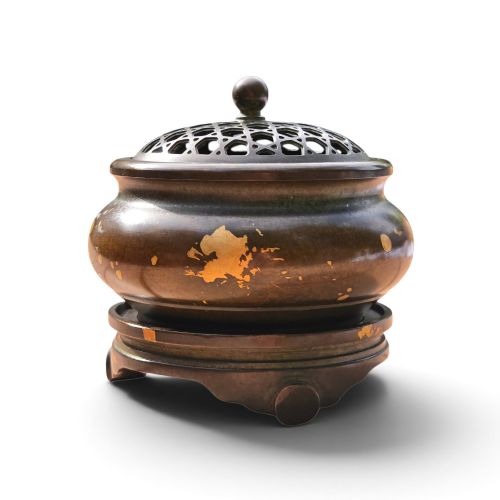
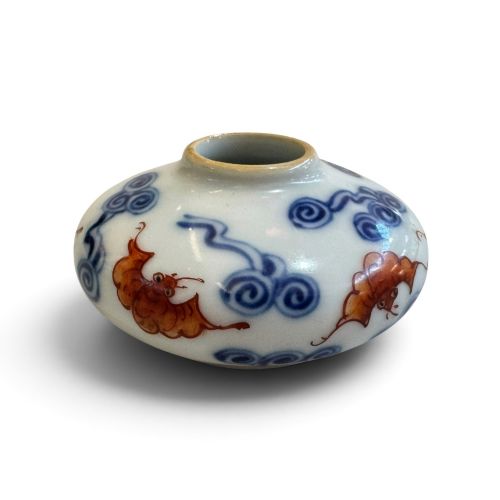
Bronzes were produced via traditional casting methods, often receiving patination or surface treatments including gold-splashing to mimic antique finishes. Porcelains underwent high-firing processes beneath transparent, monochrome, or underglaze blue and red pigments, sometimes augmented with overglaze famille rose or famille verte enamels.
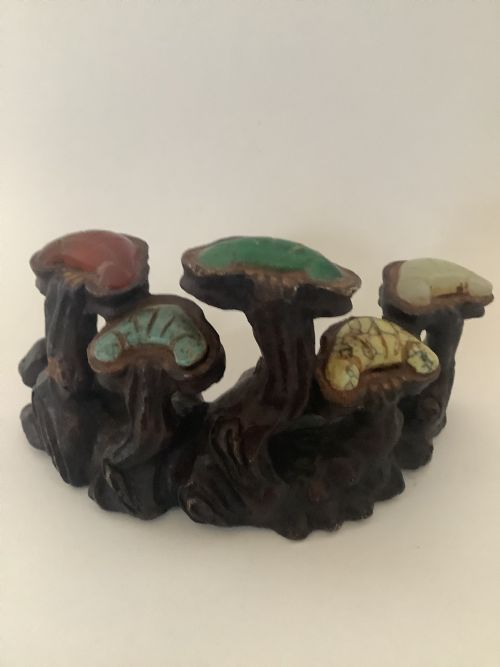
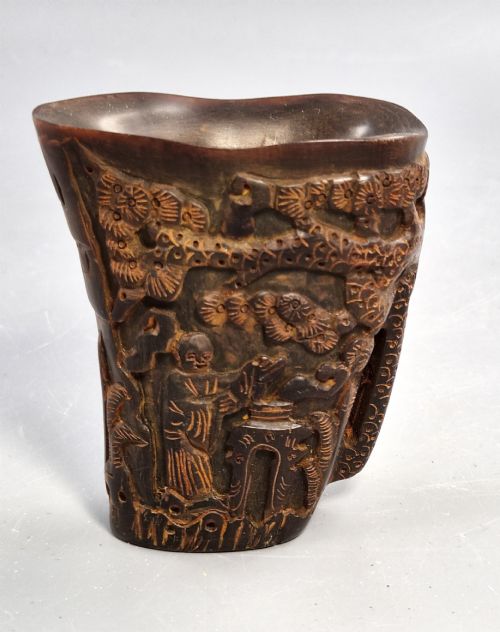
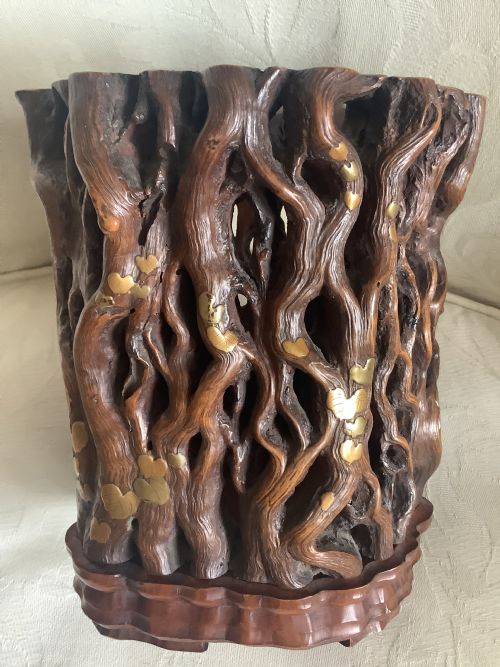
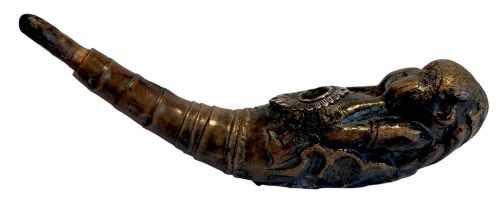
Organic materials like bamboo, boxwood, root wood, and buffalo horn required meticulous carving and scraping to utilise the natural grain and hollow tubular forms. Carvers rendered intricate landscapes, figures, and pine motifs directly into the medium, preserving the tactile warmth of the material.
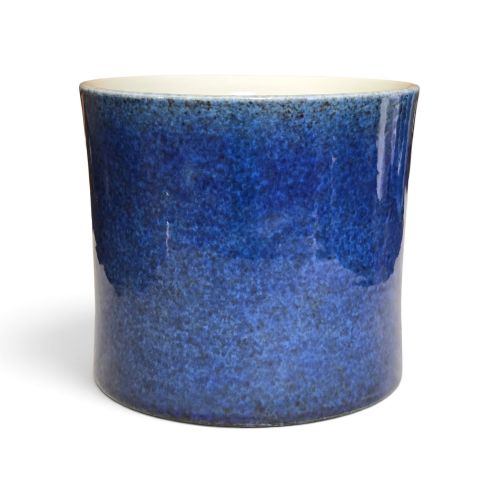
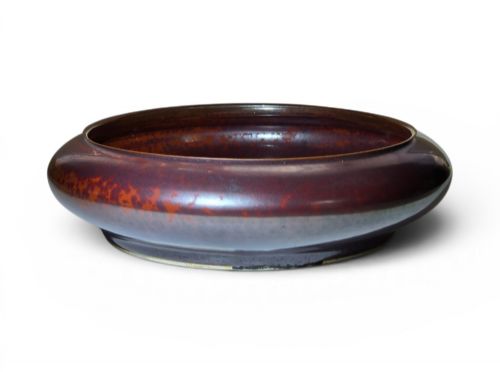
Porcelain forms on this page include large brush pots and compressed brush washers decorated in blue and white, flambé, and powder-blue glazes.
Distinctions in Execution
The pinnacle of the range is defined by the harmony between the natural material and the restraint of the carver's hand, where jade translucency or bamboo grain is respected rather than overworked. Lesser examples exhibit heavy, uninspired carving that ignores the inherent flaws or qualities of the medium.
Proportion and weight dictate the standing of metalwork, with heavier bronzes and cast vessels demonstrating substantial foundry work and controlled patination. Inferior metal objects often display rushed finishing and lack the crisp detail found in pieces bearing studio marks or Imperial associations.
Ceramic quality rests upon the purity of the glaze application, whether in the cobalt control of blue and white wares or the complex chemical behaviour of flambé and iron rust surfaces. Finer porcelain vessels maintain precise potting walls and balanced forms, avoiding warping during the high-temperature kiln firing.
The Qing Dynasty Scholar Object Glossary
- Bitong
- A cylindrical brush pot used to hold writing brushes upright on the scholar's desk. These vessels appear in porcelain, hardwood, bamboo, and soapstone.
- Celadon
- A term for ceramics featuring a pale green jade-like glaze, as well as the specific jade stone colour itself. The tint arises from iron oxide in the glaze firing under reducing conditions.
- Censer
- A traditional vessel designed for burning incense within the studio during writing or meditation. They are frequently cast from bronze or carved from stone.
- Brush washer
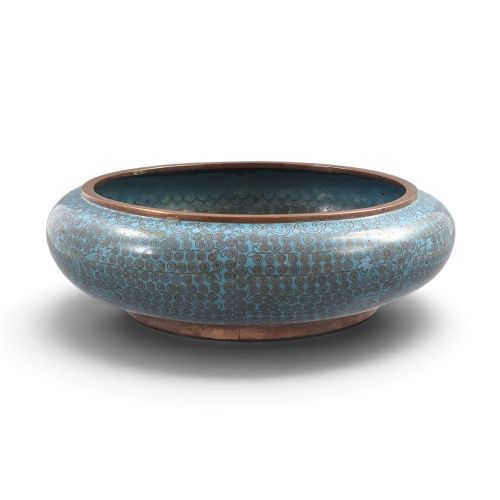
- A shallow basin used for rinsing ink from calligraphy brushes during use. These items are commonly rendered in porcelain, jade, or bronze.
- Kangxi period
- The era of the Qing Dynasty spanning from sixteen sixty-two to seventeen twenty-two, noted for significant ceramic achievements. Pieces from this time show distinct blue and white or monochrome glazes.
Qing Dynasty Scholar Object: Frequently Asked Questions
How were these items used in the studio?
Scholars utilised these objects daily for writing calligraphy, painting scrolls, and burning incense to aid concentration.
Each piece had a specific practical function, such as holding brushes, washing ink, or weighing down paper, while simultaneously reflecting the owner's cultural refinement.
How do I identify the period of a piece?
Dating relies on stylistic markers, material handling, casting techniques, and any reign marks or studio inscriptions present on the base.
Earlier pieces from the seventeenth and eighteenth centuries often display greater weight, deeper carving relief, and specific glaze formulations compared to later nineteenth-century equivalents.
How should I care for organic materials?
Organic media like bamboo, wood, horn, and ivory require stable indoor humidity and protection from direct sunlight to prevent cracking.
Gentle dusting with a soft brush preserves the patina without stripping the natural oils accumulated over centuries of handling.