





Qing Dynasty Glass
Qing dynasty glass items are delicate objects of art and utility, offering collectors rich colours and intricate craftsmanship.
Qing Dynasty Glass
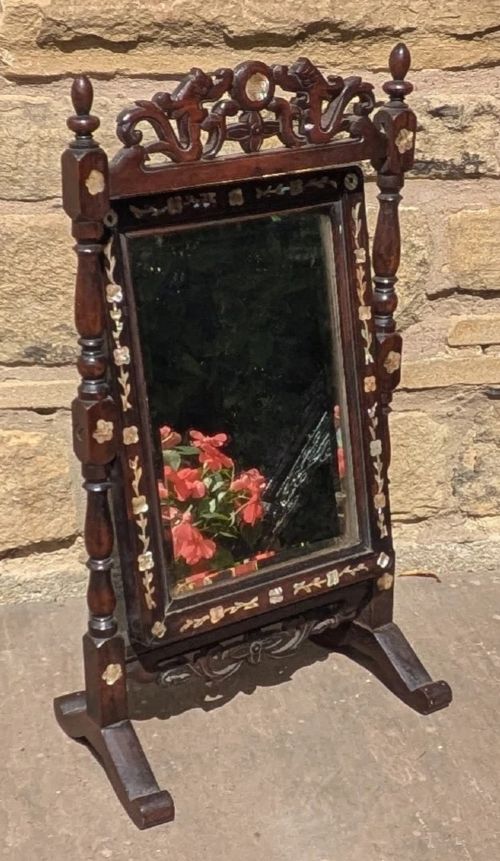
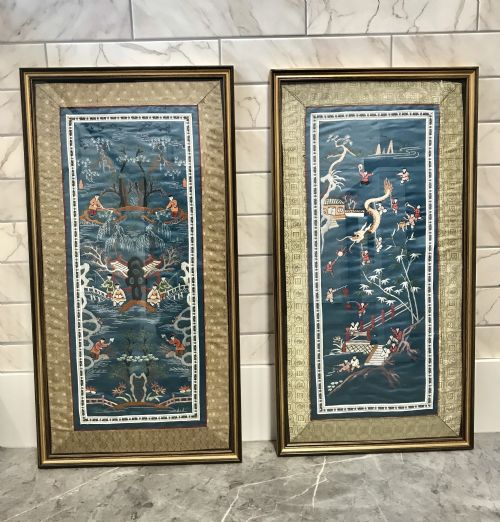
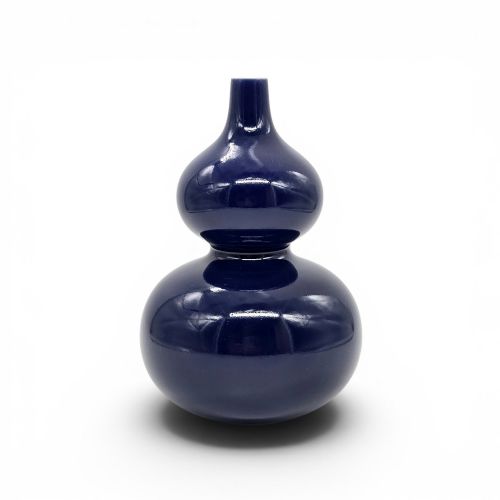
The pieces on this page include vessels such as Peking glass jars and bottles, alongside wall art and table mirrors framed in hardwood with mother of pearl inlay. You will also encounter textile art and desk accessories where glass serves to protect or enhance intricate silk embroidery and paintings.
How they were made
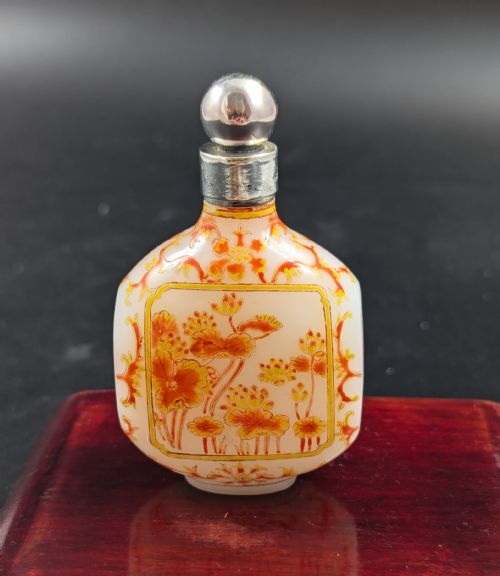
Makers utilised glass alongside natural materials like hardwood, brass, and mother of pearl to build durable frames and containers. Snuff bottles often display layered Peking glass or delicate inside painting executed with specialised miniature brushes.
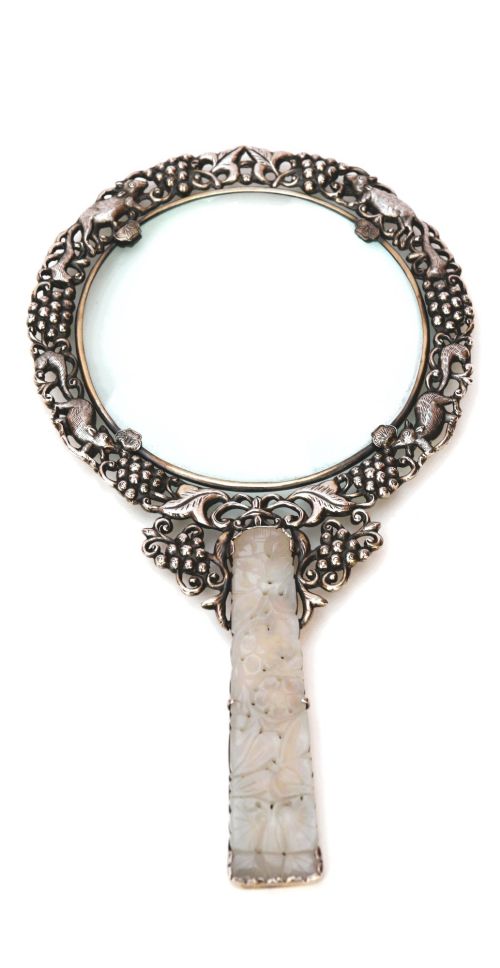
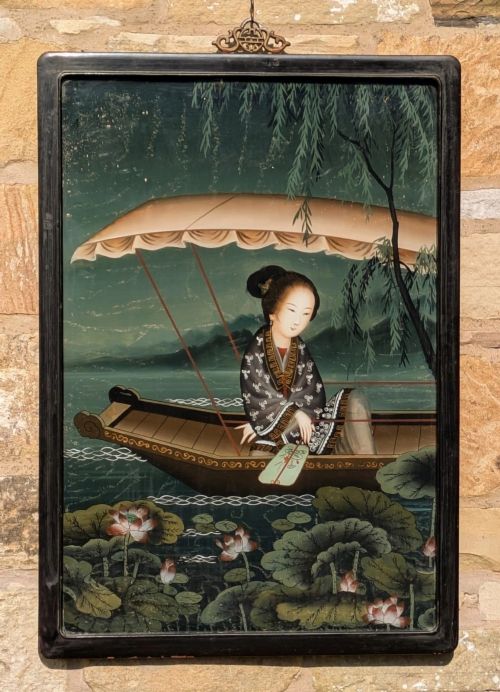
Artists applied oil paint directly to the reverse of glass panels for wall art and mirrors, creating luminous portraits of dignitaries and scenic landscapes. Skilled craftspeople also combined glass with silk embroidery, jade, and silver elements in desk accessories.
Qing Dynasty Glass Retail Price Guide 2026
Typical asking prices for qing dynasty glass among the pieces listed under this phrase on Sellingantiques today, from the lower quarter to the upper quarter. They describe what is for sale here now, not the wider market.
Materials appearing across the inventory include glass, hardwood, mother of pearl, brass, oil paint, silk, jade, and silver.
What varies in quality
The refinement of the carving and painting separates standard items from finer works, particularly in the precision of inside painted snuff bottles and reverse glass paintings. Mastery of openwork carving on rock crystal and layered Peking glass indicates higher workshop skill.
The integration of secondary materials such as hardwood frames and mother of pearl inlay also dictates overall quality. Pieces showing harmonious balance between the glass element and its mounting demonstrate superior design and execution.
Yong Shoutian·Guyue Xuan
The Qing Dynasty Glass Glossary
- Peking glass
- A type of Chinese imperial glass developed during the Qing dynasty, known for its vibrant monochrome or multi-layered overlay colours. Craftsmen carved through the outer layers to reveal contrasting colours beneath.
- Reverse glass painting
- An art form where the image is painted directly onto the back of a glass panel so the viewer observes it through the front. This technique requires the artist to paint background details before foreground elements.
- Snuff bottle
- A small container used to hold powdered tobacco during the Qing dynasty, highly prized as a personal art object. These bottles frequently feature intricate interior painting or carved glass overlays.
- Cheval mirror
- A freestanding full-length mirror supported by a frame with side pivots, often constructed from hardwood with inlaid decoration. Examples from this period incorporate reverse painted mirror-glass panels.
- Chinoiserie
- A European artistic style reflecting Chinese aesthetic influences, though pieces on this page primarily represent genuine Chinese export and Qing dynasty manufacture.
Qing Dynasty Glass: Frequently Asked Questions
What is Peking glass?
Peking glass is a distinct form of Chinese glass originating in the imperial workshops during the Qing dynasty. It is celebrated for its dense, opaque or translucent qualities and deep jewel-tone colours.
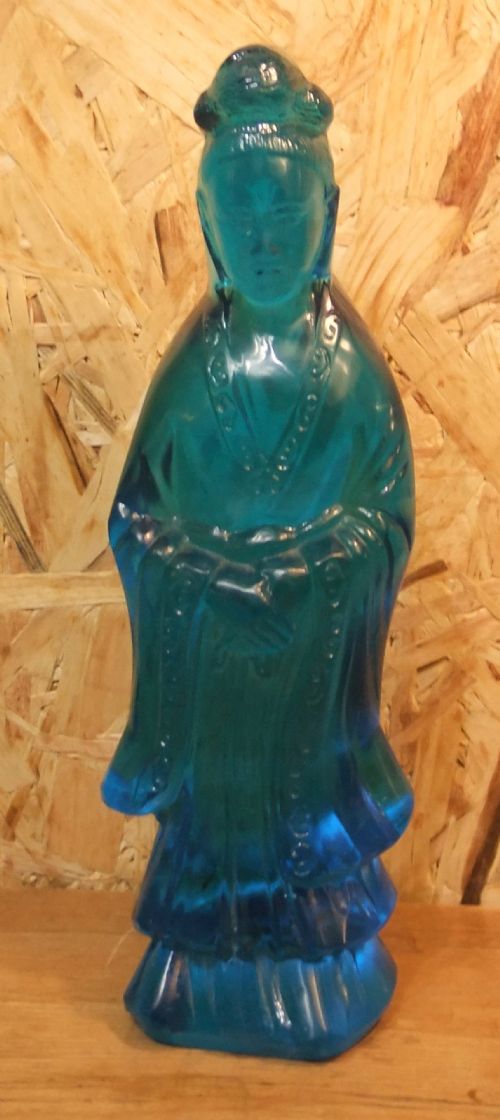
Artisans often created multi-layered versions where contrasting colours were carved away to produce relief designs on bottles, jars, and figures.
How were reverse glass paintings made?
Artists painted these images directly onto the reverse side of a glass sheet, forcing them to work in reverse order compared to canvas painting. Fine details and foreground elements were applied first, followed by broader background washes.
When viewed from the unpainted front, the glass gives the pigment a glossy, luminous finish that has endured for centuries.
How should I display a glass snuff bottle?
Snuff bottles are small cabinet pieces that benefit from stable display surfaces away from direct sunlight and temperature fluctuations. Placing them in enclosed display cabinets protects their delicate carved surfaces and stoppers from accidental knocks.
Good lighting from the front or side helps reveal the depth of inside painted scenes and layered Peking glass overlays.
How do I care for inlaid wood and glass mirrors?
Maintain hardwood frames and mother of pearl inlay by dusting gently with a dry, soft cloth without applying liquid polishes. Keep the mirrors away from damp environments to preserve the integrity of both the wood and the reverse painted glass panels.
Handle cheval and table mirrors with care when adjusting their frames to prevent strain on the original brass or wooden pivots.