





Qing Carved Jade
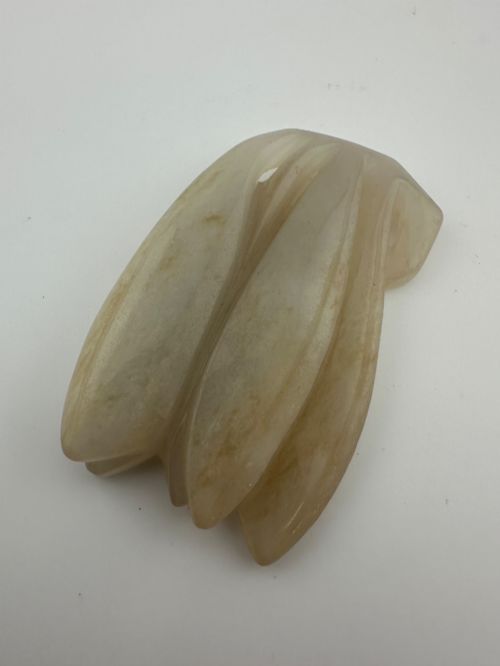
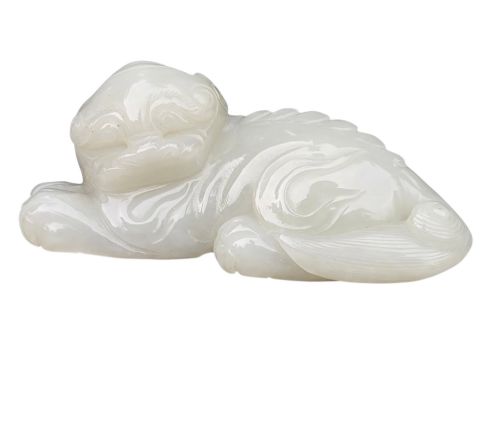
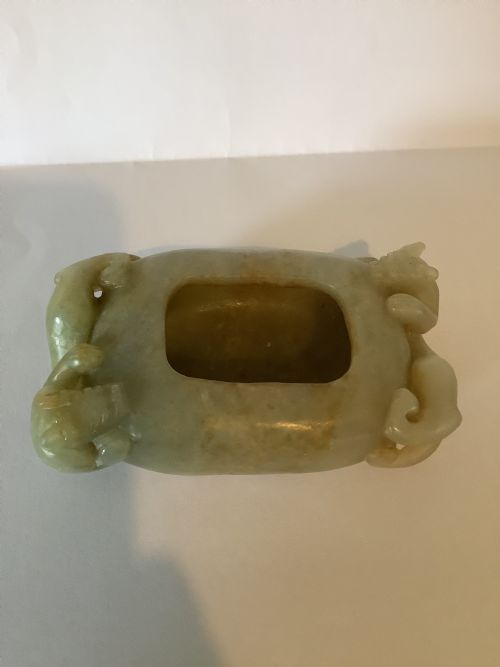
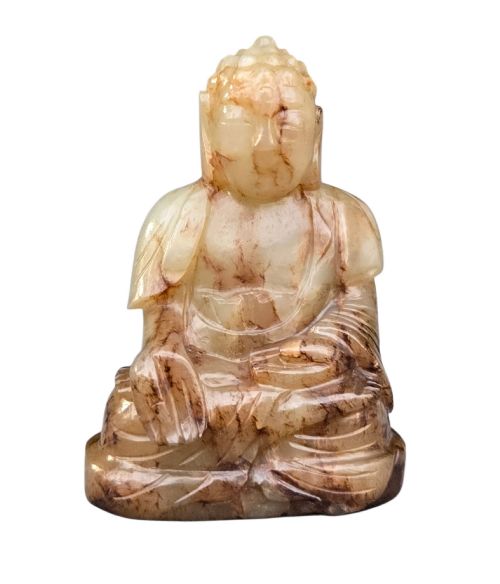
Qing carved jade brings together centuries of mineral sculpture, ranging from pale celadon animal figures to intricate scholar's vessels.
Qing Carved Jade
When you examine qing carved jade, you encounter objects shaped during the Qing Dynasty and related periods, spanning decorative sculptures, vessels, and scholar's desk items. These pieces originate from Chinese workshops utilising both nephrite and jadeite minerals.
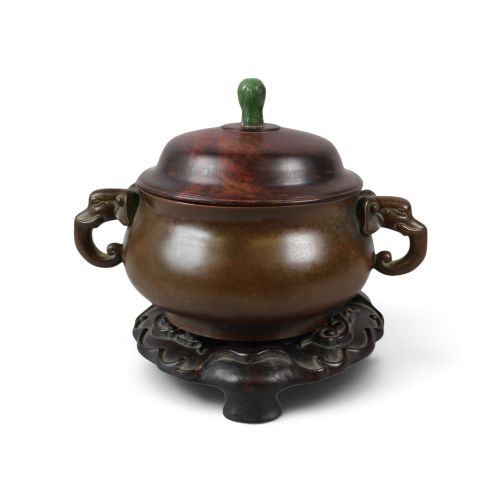
The items on this page most commonly appear as nineteenth-century carvings, alongside eighteenth-century imperial-style scholar's items and early twentieth-century interpretations. Forms vary from small snuff bottles and belt buckles to larger landscape sculptures and incense burners.
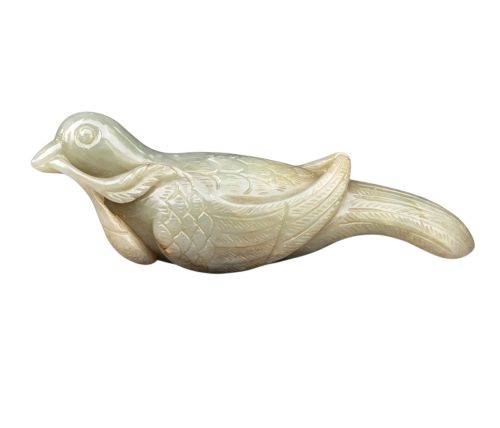
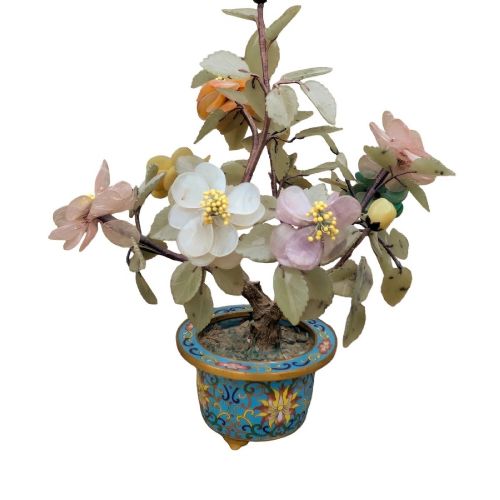
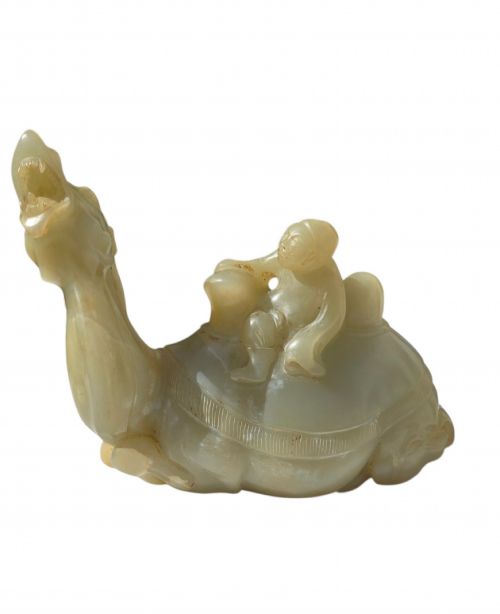
Collectors find items shaped as mythical beasts, dragons, water birds, and human figures, often mounted on custom hardwood stands. Each object reflects traditional motifs associated with fauna, flora, and archaistic vessel designs.
How they were made
Carvers shaped these hard minerals using abrasive sands and rotating tools, exploiting the natural fibrous structure of nephrite and jadeite rather than cutting through it with simple blades. This labour-intensive reduction process required immense patience to preserve the integrity of the stone.
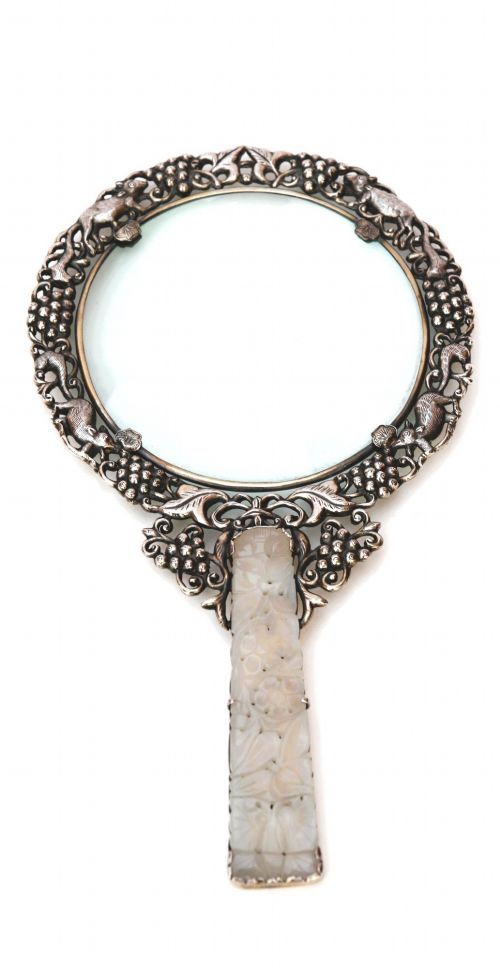
Makers integrated natural inclusions, russet skins, and tonal variations within the raw boulders into the final design, turning colour changes into carved details such as foliage or animal markings. Selected pieces incorporate secondary materials like silver mounts, enamels, and carved hardwood stands.
Materials represented across the inventory include white jade, pale celadon jade, spinach-green jade, bowenite serpentine, and hardstone.
What varies in quality
The standard of a carving depends on the harmony between the natural characteristics of the stone and the depth of the relief work. Superior pieces display fluid undercutting, balanced proportions, and sensitivity to the original pebble shape.
Artistic execution distinguishes standard production from masterwork output, visible in the crispness of archaistic motifs, the polish applied to recessed areas, and the anatomical precision of figures and animals.
The Qing Carved Jade Glossary
- Celadon jade
- A pale green or grey-green variety of nephrite prized for its subtle tone and translucency. This colour mimics natural naturalistic shades found in ancient mineral specimens.
- Archaistic
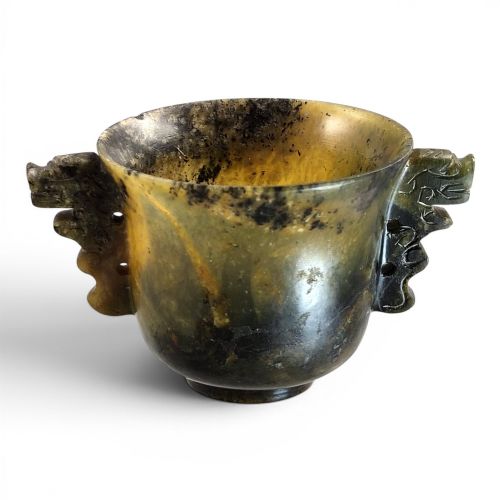
- A decorative style that emulates the forms, patterns, and motifs of ancient Chinese bronzes from earlier dynasties. Makers applied these ancient shapes to contemporary stone vessels and ritual objects.
- Nephrite
- A tough, fibrous amphibole mineral used extensively for Chinese carvings due to its resistance to fracturing during intricate work. It forms the primary material for most historical pieces.
- Taotie
- A stylised, symmetrical face motif derived from ancient bronze vessels, frequently carved on the sides of ritual cups and incense burners. It represents a mythical protective mask.
- Bowenite
- A hard serpentine stone belonging to the jade family, utilised by carvers for monumental animal groups and decorative sculptures. It shares similar working properties with true nephrite.
Qing Carved Jade: Frequently Asked Questions
How do I identify qing carved jade?
Examine the tool marks, the consistency of the polish in recessed areas, and the style of the motifs. Genuine period pieces display subtle hand-carving details consistent with historical workshop practices.
Compare the mineral type and colour variations against known eighteenth and nineteenth-century examples to confirm the period style.
What were jade scholar's objects used for?
Scholar's objects such as brush washers, water birds, and desk carvings served practical functions in traditional Chinese studies while demonstrating the owner's refinement and appreciation for literature.
These items were kept on desks for writing, contemplation, and handling during quiet study.
How should I clean jade carvings?
Clean historical stone surfaces gently with a soft dry cloth or a brush dampened lightly with warm water. Avoid chemical solvents or ultrasonic cleaners that might damage secondary mountings or natural russet patination.
Allow the piece to dry completely before returning it to a display cabinet or hardwood stand.
Why do some pieces feature russet patches?
Natural iron oxide staining on the exterior skin of jade boulders creates the russet colouration seen on many carvings. Skilled carvers incorporated these areas into their designs to represent fur, autumn leaves, or earth.